- Home
- About Us
- Products
- News
- Blog
- Contact Us
Leave Your Message
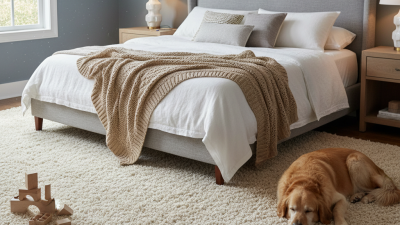
Bedroom Runner Rugs are becoming more than decorative accessories in global bedroom design. They guide movement, soften hard flooring, and add warmth beside a bed. A narrow runner can also define a sleeping area without covering the entire floor.
Grand View Research identifies carpets and rugs as a growing global home-furnishing category, supported by renovation, interior styling, and online retail demand. Fortune Business Insights likewise connects market expansion with residential construction and replacement purchases. However, these reports rarely separate bedroom runners from broad carpet categories. That limitation matters.
For buyers in 2026, product selection should combine market evidence with practical testing. A runner measuring 60 to 80 centimeters wide may fit beside many beds, but furniture clearance still requires measurement. Low-pile polypropylene can support easier cleaning in busy homes. Wool offers tactile comfort, though it may require more careful maintenance. Cotton blends can feel lighter and more casual.
Small details influence repeat purchases. Look for stable backing, clean edge finishing, accurate color photography, and packaging that protects the pile. A rug that curls after delivery creates immediate frustration. It also weakens buyer confidence.
The American Pet Products Association reports continued high pet ownership in the United States, suggesting stronger interest in washable and stain-resistant home textiles. Yet “washable” is not always clearly defined across suppliers. Global buyers should verify washing limits, fiber composition, colorfastness, and safety documentation before ordering.
This 2026 guide examines the top types of Bedroom Runner Rugs for international buyers. It compares materials, construction, comfort, maintenance, sizing, and sourcing suitability. Some recommendations remain subjective. Real rooms, climates, and cleaning habits can change the final choice.
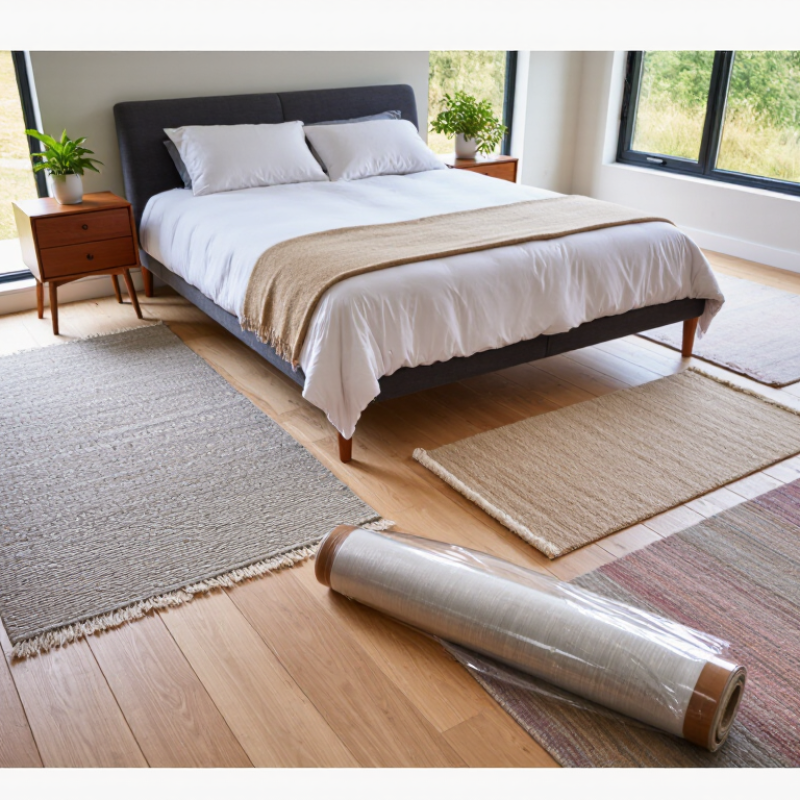
Bedroom runner rugs are long, narrow floor coverings designed for sleeping areas, walkways, and bedside spaces. They usually run beside a bed, from the footboard toward a doorway, or along a wall. Unlike large area rugs, runners define movement without covering the entire floor. Their slim shape suits compact bedrooms and rooms with unusual layouts.
Global buyers choose them because they balance comfort, appearance, and practical use. A soft wool or cotton surface can warm cold flooring during early mornings. Low-pile designs allow doors to open smoothly and reduce trapped dust. Washable synthetic fibers may suit rental homes, children’s rooms, and humid climates. Buyers should check the backing, edge stitching, and care label before ordering. Measurements matter more than attractive photographs.
A useful runner often extends beyond the bedside table by 30 to 60 centimeters. That detail creates a steadier visual line and gives feet a softer landing. However, a long runner can make a narrow room feel crowded. This is an easy mistake to overlook. Pattern scale also changes the room’s mood. Small geometric designs can add structure, while muted solid colors make busy furniture feel calmer. In my view, choosing by appearance alone is unreliable. Lighting, floor temperature, cleaning habits, and delivery conditions deserve equal attention. Some rugs look perfect online but feel too thin in daily use.
| Runner Rug Type | What It Is | Typical Construction & Materials | Common Runner Dimensions | Best Bedroom Placement | Why Global Buyers Choose It | Key Buying Considerations |
|---|---|---|---|---|---|---|
| Flatweave Runner | A thin rug woven without a raised pile, creating a relatively flat surface. | Often made from cotton, wool, polypropylene, polyester, or blended fibers; may use woven geometric or striped patterns. | Approximately 60–90 cm wide and 180–300 cm long; custom sizing varies by supplier. | Along the side of a bed, at the foot of a bed, or in narrow spaces between furniture. | Lightweight construction, easy storage, low visual bulk, and generally convenient for doors or furniture with limited clearance. | A rug pad may be needed for cushioning and slip resistance; edges should lie flat before use. |
| Low-Pile Machine-Made Runner | A factory-produced runner with a short, dense surface that is usually easy to vacuum. | Commonly produced from polypropylene, polyester, nylon, or blended synthetic fibers using power-loomed or tufted techniques. | Common retail sizes include 60 × 180 cm, 60 × 240 cm, and 80 × 300 cm, subject to regional standards. | High-traffic bedroom walkways, dressing areas, and spaces beside or in front of wardrobes. | Usually offers broad design availability, consistent sizing, and a practical balance between price and everyday performance. | Check backing compatibility with wood, tile, laminate, or carpeted floors; confirm shedding and cleaning instructions. |
| Hand-Tufted Runner | A rug made by inserting yarn into a foundation fabric with a handheld or semi-mechanized tufting tool. | Often uses wool, acrylic, polyester, viscose, or blends; typically has a latex or fabric backing. | Usually available in widths of about 60–90 cm and lengths of about 180–300 cm. | Decorative bedroom corridors, beside the bed, or at the foot of the bed where a softer surface is preferred. | Provides a plush appearance and allows detailed patterns or sculpted textures at a more accessible level than many hand-knotted rugs. | Inspect backing quality, odor after unpacking, pile density, and care requirements; avoid prolonged moisture exposure. |
| Hand-Knotted Runner | A rug in which individual knots are tied by hand around foundation warps, creating a durable woven structure. | Traditionally made with wool, cotton, silk, or combinations of natural fibers; knot density and finishing vary considerably. | Long, narrow formats commonly range from approximately 60–90 cm wide and 180–400 cm long. | Bedrooms with a traditional, transitional, or artisan-inspired interior scheme. | Buyers value individual craftsmanship, repairability, natural materials, and the potential for long service life when properly maintained. | Compare fiber content, knot quality, pile height, colorfastness, certification documentation, and professional cleaning requirements. |
| Washable Runner | A lightweight runner designed for machine washing or other clearly specified home-cleaning methods. | Typically uses cotton, polyester, microfiber, or synthetic blends with a flexible backing; construction may be printed, woven, or tufted. | Frequently sold in sizes around 60 × 180 cm or 60 × 240 cm, although dimensions differ by market. | Children’s bedrooms, guest rooms, rental properties, and bedrooms where frequent cleaning is important. | Convenient maintenance, lower cleaning barriers, and suitability for households concerned about dust, spills, or pets. | Verify the exact washing temperature, drying method, backing care, shrinkage guidance, and whether a separate rug pad is required. |
| Natural-Fiber Runner | A runner made primarily from plant- or animal-based fibers rather than petroleum-based synthetic fibers. | Common options include jute, sisal, seagrass, cotton, and wool; surface texture depends on the fiber and weave. | Often produced in widths of 60–80 cm and lengths of 180–300 cm. | Minimalist, coastal, rustic, Scandinavian, or nature-inspired bedrooms. | Offers organic texture, tactile interest, and a material story that appeals to buyers seeking natural interior finishes. | Many natural fibers are sensitive to excess moisture and may feel coarse; review fiber origin, dye stability, and cleaning limitations. |
| Shag or High-Pile Runner | A runner with a deep or loosely constructed pile that creates a soft, thick underfoot feel. | Often made from polyester, polypropylene, acrylic, wool, or blended yarns with a long or twisted pile. | Commonly available in widths of approximately 60–80 cm and lengths of 180–300 cm. | Beside the bed or in low-traffic areas where comfort and warmth are the main priorities. | Provides strong cushioning and warmth, especially in cooler climates or bedrooms with hard flooring. | Deep piles can trap dust and make vacuuming more difficult; check door clearance and use a suitable non-slip pad. |
| Non-Slip-Backed Runner | A runner fitted with a backing or treatment intended to reduce movement on smooth flooring. | May use latex, PVC, silicone dots, thermoplastic coatings, or a separate integrated underlay; the top can be flatweave or pile. | Available in many standard runner formats, including approximately 60–90 cm widths and 180–300 cm lengths. | Beside beds and along walkways on tile, polished wood, laminate, vinyl, or other smooth floors. | Supports safer movement and reduces the need to purchase a separate pad, subject to proper floor compatibility. | “Non-slip” performance depends on the floor, dust, moisture, and backing condition; test compatibility to avoid staining or surface damage. |