2026 Top Decoration Carpet Trends You Should Know?
As we look ahead to 2026, the landscape of Decoration Carpet trends is set to evolve significantly. Experts from the flooring industry report that the global market for decorative carpets is projected to reach $10 billion by 2026. This growth is driven by a surge in consumer demand for personalized and stylish home environments. Interior designer Jane Smith emphasizes, “Decoration carpets are not just floor coverings; they are fundamental elements of modern design.”
Innovative materials and sustainable practices are redefining the production of decoration carpets. The shift towards eco-friendly options is noticeable. Natural fibers such as wool and jute are becoming increasingly popular. However, the challenge lies in balancing style and sustainability. As homeowners seek unique designs, manufacturers must find ways to reduce environmental impact while meeting demand. The 2025 report by the Carpet Institute states, “The future of decoration carpets lies in our ability to innovate responsibly.”
Color, texture, and pattern play crucial roles in the upcoming trends. Bold colors and intricate patterns are gaining traction among designers. However, this could lead to overwhelming visuals in some spaces. Consumers might struggle to choose designs that truly complement their interiors. Reflecting on these factors will be vital for navigating the exciting yet complex world of decoration carpets in the years to come.

Emerging Colors and Patterns in 2026 Carpet Trends
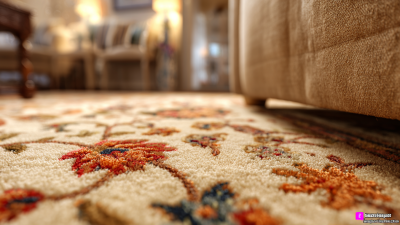
As we step into 2026, the world of carpet design showcases exciting colors and patterns. Rich jewel tones are gaining ground, offering a bold contrast to minimalist interiors. Think deep emerald greens and vibrant sapphire blues, which create a dramatic effect. These hues work well in various spaces, from cozy living rooms to sleek offices.
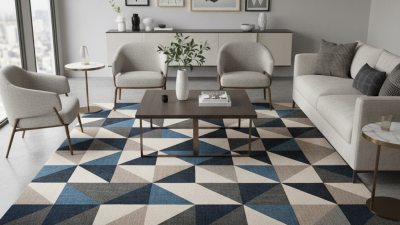
Patterns are equally compelling. Geometric designs and abstract motifs are trending, adding visual interest to floors. Stripes and zigzags can make a room feel alive. Textured carpets also bring depth, inviting tactile experiences. Color fades and ombre effects are intriguing options, perfect for creating a dynamic atmosphere.
People might overlook the emotional impact of these choices. A color that feels off can disrupt the vibe of a space. It's crucial to reflect on personal tastes versus trends. The balance is tricky. You want your home to feel current yet uniquely yours. Exploring colors and patterns demands consideration. The right carpet can transform a space, but the journey of selection is equally important.
2026 Top Decoration Carpet Trends You Should Know
| Trend |
Color Palette |
Pattern Style |
Materials Used |
| Natural Textures |
Earthy tones, Greens |
Organic Patterns |
Wool, Jute |
| Bold Geometrics |
Vivid Blues, Bright Reds |
Geometric Designs |
Synthetic Fibers |
| Art Deco Revival |
Deep Purples, Gold Accents |
Classic Motifs |
Velvet, Silk |
| Minimalist Styles |
Neutrals, Soft Whites |
Simple and Clean |
Recycled Materials |
| Vintage Revival |
Muted Pastels |
Retro Patterns |
Natural Fibers |
Sustainable Materials: The Eco-Friendly Choice for Carpets
Sustainable materials are changing carpet trends. Homeowners increasingly prefer eco-friendly options for their interiors. Carpets made from recycled fibers or organic materials reduce environmental impact. This shift promotes a healthier living space.
Choosing sustainable carpets can feel overwhelming. Look for certifications that indicate eco-friendliness. Consider textures that enhance comfort and aesthetics. Organic cotton and reclaimed wool are excellent options. They are soft and often durable. Yet, not all sustainable options are as resilient. It’s essential to research before making a choice.
Tip: Consider the maintenance requirements of sustainable carpets. Some may need special cleaning methods. Avoid over-complicating your cleaning routine. When choosing a carpet, think about your lifestyle and needs. A beautiful eco-friendly carpet can elevate any room while making a positive impact.
Innovative Textures and Finishes in Modern Carpet Designs
The 2026 carpet trends are all about innovative textures and finishes. Designers are exploring various tactile elements. You will find carpets that look and feel different from what you know. Think about fibers with unique blends. Some textures mimic natural materials like stone or wood.
Finishes are equally important in this trend. You may encounter carpets with intriguing patterns but subtle hues. These designs create depth and visual interest. Some might even experiment with metallic threads for a modern twist. However, not all ideas will resonate with everyone. Some looks may feel too bold or impractical for everyday use.
Reflecting on these trends, we see both creativity and challenges. While innovation is exciting, it might not always fit your space. Choosing the right texture takes consideration. It’s essential to balance aesthetics with functionality. The evolving designs push boundaries, but practicality must remain central.
2026 Top Decoration Carpet Trends
Versatile Styles: From Traditional to Contemporary Flooring Options
As we approach 2026, the carpet industry is witnessing a shift towards versatile styles. From traditional designs with rich patterns to contemporary options featuring minimalist aesthetics, there’s something for every taste. Reports indicate that more homeowners are prioritizing functionality and style. In fact, a recent industry study highlights that 72% of consumers now seek carpets that enhance both comfort and decor.
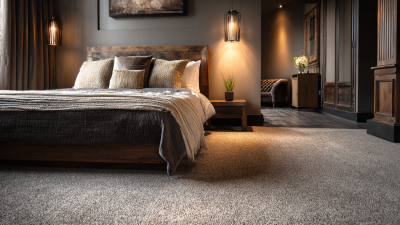
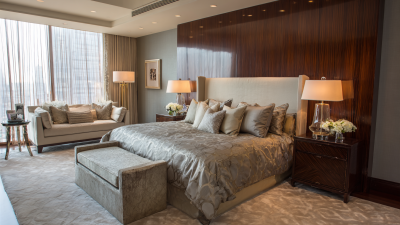
When selecting a carpet, consider the space it will inhabit. For high-traffic areas, durable materials like nylon are wise choices. Alternatively, soft wool carpets can add luxury to bedrooms. The right carpet can transform a room, lending warmth and character. Remember that trends can become overwhelming; focus on timeless styles that resonate with your personal taste.
Tip: To ensure longevity, choose carpets with stain-resistant treatments. Regular maintenance is key, as it prolongs the life of your flooring investment. One must not overlook the importance of cleaning; neglected carpets can harbor allergens and deteriorate quickly. In 2026, let’s embrace a balance between style and practicality in our flooring choices.
Integrating Smart Technology into Carpet Designs for 2026
As we approach 2026, the integration of smart technology into carpet designs is becoming a focal point in home decor. Smart carpets can change the way we interact with our living spaces. Imagine a carpet that adjusts its texture based on the time of day or even your mood. Such innovation is thrilling yet has potential shortcomings. How will consumers react to a machine underfoot?
One compelling example of this trend is the incorporation of sensors. These sensors can monitor foot traffic or room temperature. It can lead to energy savings and increased comfort. Yet, privacy concerns loom large. Do we want our carpets collecting personal data? Additionally, there's the environmental impact to consider. The production of smart carpets might not align with sustainable practices currently valued by many consumers.
As technology advances, we face questions about durability and functionality. Will these smart features withstand daily wear and tear? The blending of aesthetics and technology presents challenges. Designers must balance appealing visuals with functional innovations. It's a thrilling yet risky endeavor, redefining how we think about carpets in our homes.