2026 Top Large Washable Rug Types for Global Buyers
Global buyers are entering 2026 with stronger expectations for practical, attractive, and low-maintenance home textiles. Grand View Research reports that the global carpets and rugs market reached approximately USD 72 billion in 2023, with continued growth expected through 2030. However, broad market figures rarely separate washable rugs from traditional floor coverings. That gap matters when evaluating the Large Washable Rug segment.
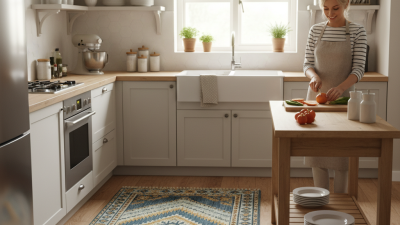
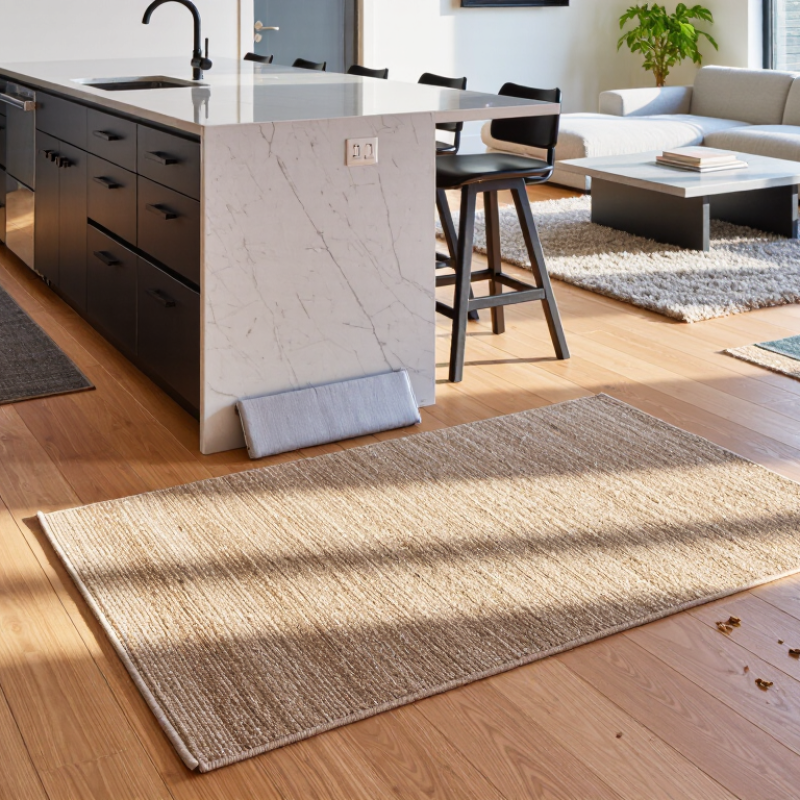
Convenience is driving product interest. Consumers want rugs that fit washing machines, busy households, rental homes, and changing interiors. A rug beside a kitchen island may face oil drops, crumbs, and wet footprints every day. Buyers therefore examine more than color and pattern. They compare backing stability, pile height, wash instructions, drying time, edge finishing, and packaging volume.
Safety matters too.
The U.S. Consumer Product Safety Commission repeatedly highlights home flooring hazards, including slips and trips. Meanwhile, reports from Euromonitor International show that household consumers increasingly value durability, convenience, and responsible consumption. These trends support washable designs, but they do not guarantee quality. Some products look soft online and feel thin in person. Others claim easy cleaning but provide vague care instructions.
This guide examines the leading Large Washable Rug types for global buyers in 2026. It considers material performance, construction, regional preferences, logistics, and everyday maintenance. Certifications and test documents should be verified directly with suppliers. Marketing language is not enough. A better rug is not always the thickest one; sometimes, it is the one that dries properly and stays flat.
What Defines a Large Washable Rug in 2026
In 2026, a large washable rug means more than an oversized floor covering. For many buyers, it begins at about 160 x 230 centimeters, though room size still matters. A living-room rug should reach beneath the sofa’s front legs, not float in the center. I have found that this simple placement test prevents costly sizing mistakes. Large can be awkward.
The defining feature is practical washability. A genuine washable design should fit a suitable household machine, or separate into manageable sections. Check the care label, load capacity, water temperature, and drying instructions before purchase. Low-pile woven surfaces usually clean more easily than thick shag. A flexible backing helps the rug lie flat, while secure edges reduce curling near doorways. Still, washable does not mean stain-proof or endlessly durable. Repeated hot cycles may fade colors or weaken fibers.
Professional buyers should inspect fiber composition, backing adhesion, stitching, colorfastness, and packaging compression. Rub a damp white cloth on a hidden corner. It may reveal dye transfer. For homes with children or pets, texture can hide crumbs, but it can also hold fine dust. Drying time also varies between humid and dry climates. I prefer clear test data over broad marketing language, yet supplier methods differ. That uncertainty deserves attention. A large washable rug is measured by size, machine compatibility, drying time, flatness, and honest maintenance limits.
Major Large Washable Rug Types by Material and Construction
2026 Top Large Washable Rug Types for Global Buyers
Large washable rugs vary widely by material and construction.
Polyester is common because it dries quickly, resists fading, and supports detailed printed patterns. Recycled polyester can offer similar performance when suppliers provide clear material documentation. Polypropylene is another practical choice for humid rooms and covered outdoor areas. It absorbs little water. Nylon provides strong fiber recovery, but it may cost more and need careful color testing.
Cotton rugs feel soft and breathable,
making them comfortable in bedrooms and living spaces. However, cotton can shrink or lose shape after repeated washing. A cotton-polyester blend may reduce this risk. No material is perfect. Buyers should check wash temperature, drying instructions, colorfastness, and measured size after washing.
Construction affects both appearance and durability.
Machine-woven rugs usually provide stable edges and consistent patterns. Tufted rugs feel thicker, but their backing must tolerate moisture and repeated handling. Quilted washable rugs often use a fabric top, thin filling, and anti-slip backing. Foldable printed rugs are lighter for shipping, though fold marks may remain temporarily. Backing materials such as thermoplastic rubber or silicone dots can improve floor grip, but performance depends on floor type and cleaning conditions. Samples should be washed several times before bulk purchasing. This step may seem slow, yet it reveals curling, shedding, odor, and uneven drying that product photos cannot show.
Best Large Washable Rug Types for Different Interior Spaces
2026 Top Large Washable Rug Types for Global Buyers
Large washable rugs work best when their construction matches the room. Low-pile woven rugs suit living rooms because chairs move easily across them. Their flatter surface also traps less dust. In family rooms, choose tightly stitched synthetic fibers with a firm, washable backing. A 200 × 300 centimeter rug can define a sofa area without covering every floorboard.
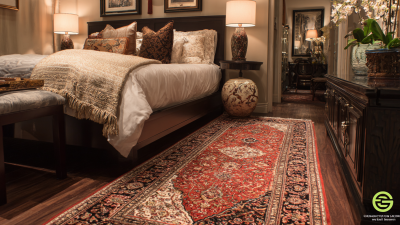
Bedrooms need a softer feel under bare feet. A washable plush rug adds warmth beside the bed, although thicker piles may dry slowly. That detail matters in humid climates. For dining spaces, use a low-pile rug with strong colorfastness and stain resistance. Leave enough space for chairs to remain on the rug when pulled out. Otherwise, the edges may curl or create awkward movement.
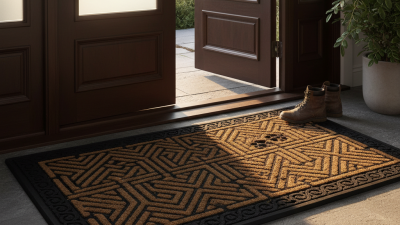
Children’s rooms and play areas benefit from lightweight, reversible rugs. They are easier to carry, rotate, and inspect after washing. Entryways need a denser, darker surface that handles outdoor dust. A non-slip layer is useful, but it should not damage the floor finish. Always check the care label and washing-machine capacity first. Large does not mean convenient.
From practical room checks, corner lifting is a common problem after rushed washing. Let the rug dry completely and reshape it while damp. I once underestimated drying time in a small apartment. That mistake still influences my recommendations. For global buyers, climate, floor type, and available cleaning space deserve equal attention. A beautiful rug can be the wrong choice.
2026 Top Large Washable Rug Types for Global Buyers
Best large washable rug types for different interior spaces
Living Room
Low-pile synthetic rugs suit sofas and frequent foot traffic. A common large planning size is 240 × 300 cm.
Dining Room
Flatweave rugs are easier to move chairs across. A common size is 240 × 340 cm.
Bedroom
Cotton or chenille washable rugs provide a softer surface. A common size is 200 × 300 cm.
Open-Plan Space
Low-pile or reversible printed rugs help define zones. A common large size is 300 × 400 cm.
The chart uses commonly available large rug planning dimensions in metric units. Actual requirements vary with furniture placement, room proportions, washing-machine capacity, and regional size standards.
Key Performance Factors for Global Buyers to Compare
2026 Top Large Washable Rug Types for Global Buyers
Large washable rugs now include low-pile woven rugs, printed microfiber rugs, cotton-blend rugs, and foldable flatweaves. Each type performs differently after repeated washing. Low-pile designs usually dry faster and trap less dust. Cotton blends feel natural, but they may shrink without controlled washing. Printed microfiber offers vivid patterns and soft texture. However, color stability should be tested before large-volume purchasing.
Global buyers should compare more than appearance. Check the rug’s actual weight, folded size, backing material, edge stitching, and washing instructions. A 240 × 340 cm rug may not fit a standard household machine. That detail matters. The backing should remain flexible after washing, without cracking or releasing flakes. Ask suppliers for dimensional-change, colorfastness, abrasion, and drying test reports. Testing methods can differ between markets, so clear documentation improves reliability. In real use, a rug that dries overnight is more practical than one requiring two sunny days. No rug is effortless.
Tips: Request a sample before placing a bulk order. Wash it according to the stated instructions, then inspect corners, seams, surface softness, and odor. Measure shrinkage before and after washing. Also test packaging resistance during humid transport. Some rugs arrive compressed and need several days to recover. Buyers should record these results, even when they reveal weaknesses. A supplier who responds clearly to imperfect findings may be more dependable than one offering only attractive product photos.