2026 Best Anti Slip Mat Carpet for Safe Home Use?
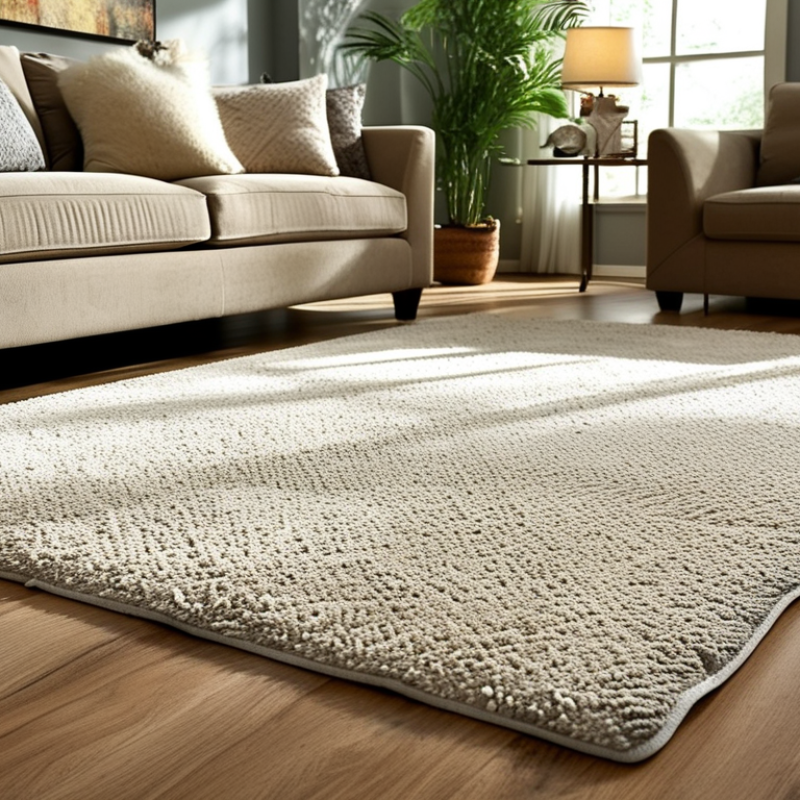
Creating a safe home environment is essential for every family. One often overlooked aspect is the flooring. Slips and falls can happen anywhere, especially in high-traffic areas. This is where the "Anti Slip Mat Carpet" becomes vital for safety.
These mats are designed to provide grip and reduce the risk of accidents. High-quality options are available, offering various styles and sizes. Choosing the right mat can transform your space. Not only do they enhance safety, but they also add aesthetic value to your home.
However, buyers should approach their choices with care. Not all anti-slip mats offer the same level of support. Moreover, proper maintenance is key to ensure their effectiveness over time. Reflecting on these factors can lead to smarter, safer decisions for your home.
2026 Anti Slip Mat Carpet: Understanding Material Choices for Safety
When selecting an anti-slip mat carpet, understanding material choices is crucial for safety. Various materials offer different levels of grip and durability. For instance, rubber mats provide excellent traction on slippery surfaces. They are often used in kitchens and bathrooms. However, they can retain moisture. This may lead to mold growth if not properly maintained.
Another popular option is nylon. It is durable and resistant to wear. Nylon carpets provide a good balance of comfort and safety. They can be used in high-traffic areas. Yet, their effectiveness can diminish over time due to flattening. Regular cleaning is essential to maintain grip and prevent accidents.
Natural fibers, like jute, are eco-friendly. They are often less slippery and add a rustic look to a space. However, these materials can be more challenging to clean. Users may find themselves torn between aesthetics and practicality. Reflecting on how a mat performs under different conditions helps ensure a safe home environment.
Key Features of Anti Slip Mats to Ensure Home Safety in 2026
When choosing an anti-slip mat carpet for your home in 2026, specific features are essential. Look for materials that provide excellent grip. Natural rubber and textured surfaces enhance traction. This prevents slips, especially in high-traffic areas. Consider mats with moisture-wicking properties. They can stay dry and maintain their grip, making them ideal for kitchens and bathrooms.
Size matters too. A mat that fits the space correctly reduces the chances of tripping. It should cover problem areas while being easy to clean. Some mats have machine-washable features, which is a plus for regular maintenance. Aesthetic appeal shouldn't be overlooked. Find patterns and colors that blend with your home decor. A well-chosen mat can enhance safety while complementing your style.
Reflecting on your choices can help improve home safety. Think about whether the mat's design really meets your needs. Are there areas you overlooked? Keep in mind that even the best mats require periodic checks. Wear and tear can affect their performance, so regular inspections are necessary. Being proactive ensures your home remains a safe space for family and friends.
2026 Best Anti Slip Mat Carpet for Safe Home Use
| Feature |
Description |
Importance |
| Material |
High-quality rubber or PVC |
Provides durability and firmness |
| Surface Texture |
Non-slip texture |
Increases grip and prevents slipping |
| Size Options |
Various sizes (e.g., 2x3 ft, 3x5 ft) |
Fits different spaces and needs |
| Water Resistance |
Waterproof materials |
Prevents water damage and mold |
| Washability |
Machine washable or easy to clean |
Maintains hygiene and appearance |
| Design Options |
Variety of colors and patterns |
Aesthetically pleasing for home decor |
| Eco-Friendly |
Made from recyclable materials |
Supports sustainability efforts |
Industry Standards for Anti Slip Mats: What Consumers Should Know
When selecting anti-slip mats, it's crucial to understand industry standards that ensure safety and reliability. The material used in these mats plays a significant role. High-quality rubber and vinyl often provide superior grip compared to cheaper alternatives. Inspect the certification labels. Some mats are tested for slip resistance under wet conditions, which is particularly important for bathroom and kitchen use.
Consumers should also consider mat thickness. Thicker mats generally offer better cushioning and grip. However, they might not fit under every door seamlessly. It’s important to measure the space before making a purchase. Additionally, pay attention to the surface texture. Mats with a textured surface typically enhance traction, reducing the risk of slips and falls.
Another factor is the mat's cleaning requirements. A mat that collects dirt or moisture can become a hazard over time. Regular maintenance should be part of your care routine to ensure maximum safety. Last but not least, not all mats are made equal, and some may wear down quickly. This brings up the question of trust in manufacturers. Always research and read reviews before deciding on a product.
2026 Best Anti Slip Mat Carpet for Safe Home Use
Evaluating the Effectiveness of Anti Slip Mats: Data Insights and Statistics
When considering the safety of our homes, anti-slip mats have become essential. These mats prevent slips and falls, providing peace of mind for families. Recent data shows that nearly 30% of home accidents are due to slip-related incidents. This statistic highlights the importance of choosing effective anti-slip mats.
To ensure the best performance, look for mats with a textured surface. A good grip can significantly reduce the risk of accidents. Additionally, mats made from high-quality rubber are often more durable and reliable. Regular maintenance is essential. Keeping mats clean can enhance their slip resistance over time.
Evaluate the size and placement of your mats. Mats should cover high-traffic areas, like hallways and bathrooms. It's worth noting that not all mats work equally well on every surface. Take the time to test mats on your flooring type. Small adjustments can lead to better safety results and improved overall home safety.
Top Brands in Anti Slip Mats: A Comparison of Performance Metrics
Choosing the right anti-slip mat for your home involves understanding performance metrics. This can help ensure safety and comfort in various areas. Different mats offer varying levels of grip, durability, and ease of maintenance. Some mats excel in wet conditions, while others may not perform as well.
When evaluating anti-slip mats, consider the material and surface texture. Certain types provide a stickier feel, while others might feel softer underfoot. It’s essential to look for mats that resist wear over time. Longevity can reflect the quality of the product. Some options may lose grip after repeated use, which can be concerning in high-traffic areas.
Installation should also be part of your consideration. Some mats slide around easily, which is not ideal. Other types may require adhesive backing, adding complexity to the setup. Think about where you will use the mat most frequently. Areas like kitchens and bathrooms can benefit from heavier, more stable options. Testing out different products may reveal unexpected results. It can be tricky to pinpoint which mat will work best for your home’s unique layout and needs.