2026 Best Islamic Prayer Rug Options for Global Buyers?
In recent years, the demand for high-quality Islamic Prayer Rugs has grown significantly among global buyers. These beautiful and intricate rugs serve as an essential part of Muslim worship, providing comfort and a sacred space for prayer. Every region has its own unique designs, colors, and materials, reflecting local culture and traditions.
Selecting the perfect rug requires careful consideration. Each buyer looks for specific features, such as size, craftsmanship, and material. Some prefer soft textures whereas others seek durability. Additionally, the aesthetics of the Islamic Prayer Rug play a vital role. Patterns often include geometric shapes or floral designs that enhance the prayer experience.
However, with so many options available, making the right choice can be overwhelming. Some rugs may not meet the quality expected. Researching brands and reading reviews is essential. One should consider authenticity and ethical sourcing as well. Finding a trusted supplier can be a challenge, yet it is crucial for ensuring a valuable purchase.
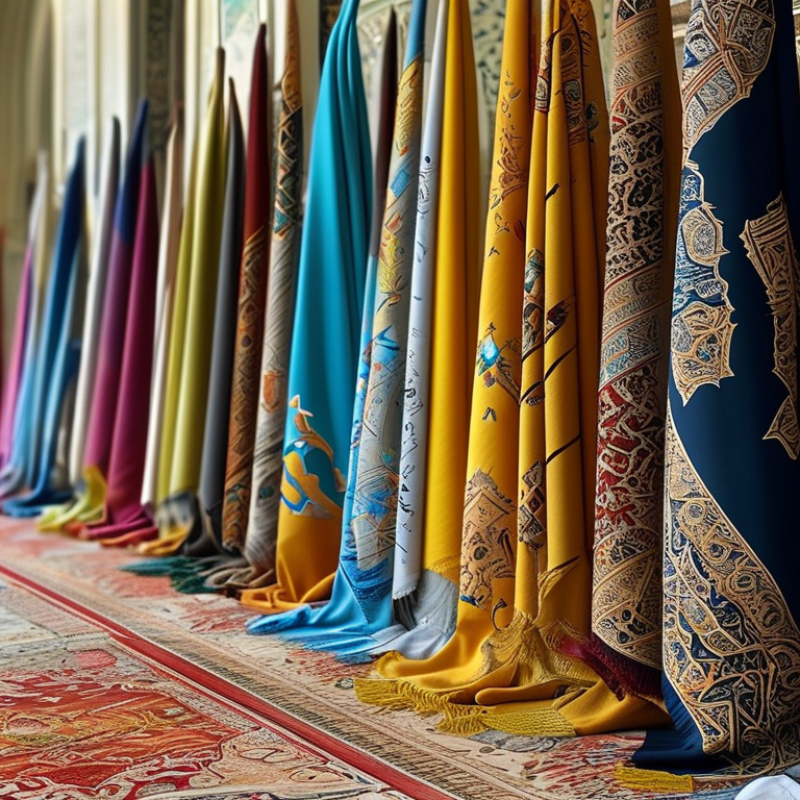
2026 Islamic Prayer Rug Market Overview and Trends
The Islamic prayer rug market is poised for substantial growth in 2026. According to recent industry reports, the global market is expected to exceed USD 1 billion. This growth aligns with a rising interest in religious and cultural practices. More consumers are seeking quality and aesthetically pleasing designs that reflect personal beliefs.
Recent trends indicate that sustainable materials are gaining traction. Many buyers are increasingly conscious of the environmental impact of their purchases. As a result, eco-friendly fabrics are becoming more popular among manufacturers. Moreover, artisan craftsmanship is valued highly. Prayer rugs that showcase traditional techniques often command a premium price.
However, despite this positive outlook, challenges persist. The supply chain remains vulnerable to disruptions, impacting availability and cost. Additionally, emerging competitors may struggle to maintain quality. Buyers will need to navigate an evolving landscape. Keeping abreast of trends will be essential for making informed choices in this dynamic market.
Key Factors Influencing the Selection of Prayer Rugs
Selecting the right Islamic prayer rug involves several key factors. The material is crucial. Consider wool, silk, or synthetic options. Each has its pros and cons. Wool is durable and warm. Silk feels luxurious but may be less resilient. Synthetic rugs are often easier to clean.
Color and design also play important roles. A prayer rug should resonate with your personal taste and spiritual journey. Look for rich colors or intricate patterns that inspire you. A well-designed rug can enhance your focus during prayers. Pay attention to the size as well. It should comfortably fit your space, allowing for smooth movements during Salah.
**Tips:** Always verify product details before purchasing. Authenticity matters—a quality rug can last years. Consider visiting local artisans for unique finds. Support local crafts while investing in your spirituality. Keep in mind that imperfections in design can add character. Reflect on what those imperfections say about your faith journey. Embrace uniqueness in your choice of rug.
Top Materials Used in Crafting High-Quality Prayer Rugs
When selecting a prayer rug, the materials play a crucial role in its quality and comfort. Commonly used materials include wool, silk, cotton, and synthetic fibers. Wool is renowned for its durability and warmth. Reports indicate that wool rugs can last over a decade with proper care. Silk, on the other hand, offers a luxurious feel but may not be as durable. Industry experts caution that silk rugs require more maintenance.
Cotton is a popular choice due to its affordability and breathability. Many buyers appreciate its soft texture for daily use. Synthetic fibers, while often less expensive, can offer unique benefits. They resist stains and are easier to clean. A market analysis reveals that the demand for synthetic options has grown by 25% in recent years, highlighting a shift in consumer preferences.
Choosing the right material is vital. A prayer rug can influence the spiritual experience during prayer. Some users may not fully appreciate the significance of material quality. A poorly chosen rug may lead to discomfort and distraction. Reflecting on personal needs can guide better choices and enhance the overall practice. Emphasizing the right materials ensures a more meaningful connection during prayer.
2026 Best Islamic Prayer Rug Options for Global Buyers
This chart showcases the top materials used in crafting high-quality prayer rugs along with their popularity among global buyers in 2026.
Regional Preferences for Prayer Rugs Among Global Buyers
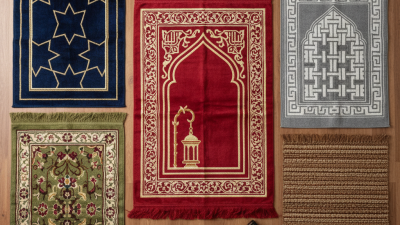
When it comes to choosing a prayer rug, regional preferences play a significant role. In Southeast Asia, intricate designs and bright colors are commonly favored. Buyers often seek rugs that reflect their cultural heritage, featuring floral patterns or geometric motifs. These choices communicate personal and spiritual connections, making the selection process meaningful.
In contrast, buyers from the Middle East often prefer more traditional designs. Simple, elegant patterns in muted tones stand out. Many look for high-quality materials, emphasizing durability and comfort. Personal significance is often tied to the rug's craftsmanship, with many artisans meticulously creating each piece. Such differences highlight the rich diversity in prayer rug preferences worldwide.
While regional trends offer insight, individual tastes also vary greatly. Some buyers may overlook personal preferences in favor of what is popular in their area. Others might struggle to find a balance between traditional and contemporary styles. This reflects a broader challenge in understanding one’s identity and spirituality through the choice of a prayer rug, where the journey is just as important as the destination.
The Role of E-Commerce in the Global Prayer Rug Market
The global prayer rug market is witnessing a significant shift due to e-commerce. Online platforms have made it easier for buyers worldwide to access Islamic prayer rugs. This convenience can help connect buyers with local artisans and unique designs, eliminating traditional barriers.
E-commerce allows for diverse choices. Shoppers can explore styles, colors, and materials without geographical restrictions. However, this convenience also raises concerns about quality control. Many buyers may receive products that do not match their expectations. The lack of tactile experience online can lead to disappointment. It’s essential for buyers to research before making a purchase.
Global buyers need reliable platforms. Transparency is crucial in this digital age. Clear product descriptions, reviews, and return policies are key elements. Often, e-commerce sites fall short in providing detailed information. Shoppers should look for options that prioritize customer satisfaction and honest feedback. As e-commerce continues to evolve, maintaining trust will be vital for the growth of the prayer rug market.
2026 Best Islamic Prayer Rug Options for Global Buyers
| Rug Type |
Material |
Size (ft) |
Price (USD) |
Country of Origin |
| Traditional Persian |
Wool |
3x5 |
150 |
Iran |
| Modern Abstract |
Polyester |
4x6 |
80 |
Turkey |
| Luxury Silk |
Silk |
2.5x4 |
300 |
Pakistan |
| Eco-Friendly |
Natural Fibers |
3x5 |
100 |
India |
| Travel Prayer Rug |
Cotton |
2x4 |
40 |
Malaysia |