Best Small Kitchen Carpet Options for Your Home?
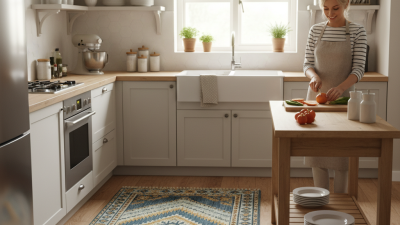
When it comes to home decor, the right Small Kitchen Carpet can transform a cooking space. According to the 2022 Home Design Trends report, 70% of homeowners believe rugs enhance kitchen aesthetics. “A well-chosen carpet can add warmth and functionality,” says Jane Smith, a renowned interior designer specializing in small spaces.
Choosing the best Small Kitchen Carpet requires careful consideration. Size, material, and style significantly impact your kitchen's vibe. Many people overlook the importance of durability, especially in high-traffic areas. A quality carpet can resist stains and withstand wear while maintaining its charm.
However, not all carpets live up to expectations. Some may fade or wear out faster than advertised. Understanding your kitchen's needs is crucial before making a purchase. Carpets should complement your kitchen's overall theme but also serve practical functions. Investing in a quality Small Kitchen Carpet is beneficial for both style and function when chosen wisely.
Types of Small Kitchen Carpets: Materials and Styles
When selecting small kitchen carpets, consider various materials and styles that suit your needs.
Wool carpets offer warmth and durability, making them a great choice for high-traffic areas. They are naturally stain-resistant and easy to clean.
Cotton carpets, on the other hand, are lightweight and come in a variety of fun patterns. They may require more frequent washing but are perfect for a casual kitchen vibe.
Synthetic options, like nylon and polyester, are affordable and often more resistant to stains. They can withstand spills and accidents, which is essential in a kitchen environment. Look for carpets with
non-slip backing to prevent accidents.
Tips: Always choose a carpet that complements your existing decor. Bold patterns can add character, while solid colors may create a more subdued atmosphere. Remember, a small kitchen carpet should reflect your personal style while providing comfort underfoot.
Don't overlook the size; a carpet that is too small can look out of place. Try laying it out and visualizing before you commit. Balancing aesthetics with
functionality is key.
Factors to Consider When Choosing a Carpet for Small Kitchens
Choosing the right carpet for a small kitchen requires careful consideration. Size matters greatly. A small rug may enhance your kitchen’s coziness, but it can also overwhelm the space if too large. Measure your kitchen areas to find the perfect fit. Select a carpet that complements the overall design and color scheme of your kitchen.
Durability is crucial as well. Kitchens are high-traffic areas prone to spills and stains. Look for carpets made from materials that resist wear and tear. Easy-to-clean options are ideal. Consider low-pile carpets that don't trap dirt and can be vacuumed effortlessly. Keep in mind the texture too. A plush feel can be inviting yet may not work well in a bustling kitchen.
Finally, think about safety. Slipping is a significant risk in kitchens. A carpet with a non-slip backing or placing it on a non-slip mat can help. Lighting also plays a role in how the carpet appears throughout the day. Test different rugs in your kitchen under natural and artificial light before making a final decision. Balancing aesthetics with function can be a challenge, but it’s essential for creating an inviting kitchen space.
Best Placement and Arrangement of Carpets in Kitchen Spaces
When arranging carpets in your kitchen, consider the layout. Place the carpet in areas where you stand frequently, like in front of the sink or stove. This orientation offers comfort while cooking or cleaning. Choosing the right size is essential. A carpet too small may seem lost, while one that’s too big can overwhelm the space.
**Tips:** A runner can be a great option for narrow spaces. It creates an inviting path and defines areas in an open layout. Don’t forget about safety; ensure the carpet is non-slip to prevent accidents.
Color and pattern are also crucial. Light colors can make the space feel larger, while vibrant patterns add a touch of personality. Reflect on what works best with your decor. Experiment with textures for added warmth, yet remember that maintenance is key. A carpet in the kitchen may need frequent cleaning to stay fresh.
**Tips:** Use washable fabrics for practicality. Consider where spills may occur and select materials that resist staining. This choice can make a noticeable difference in upkeep.
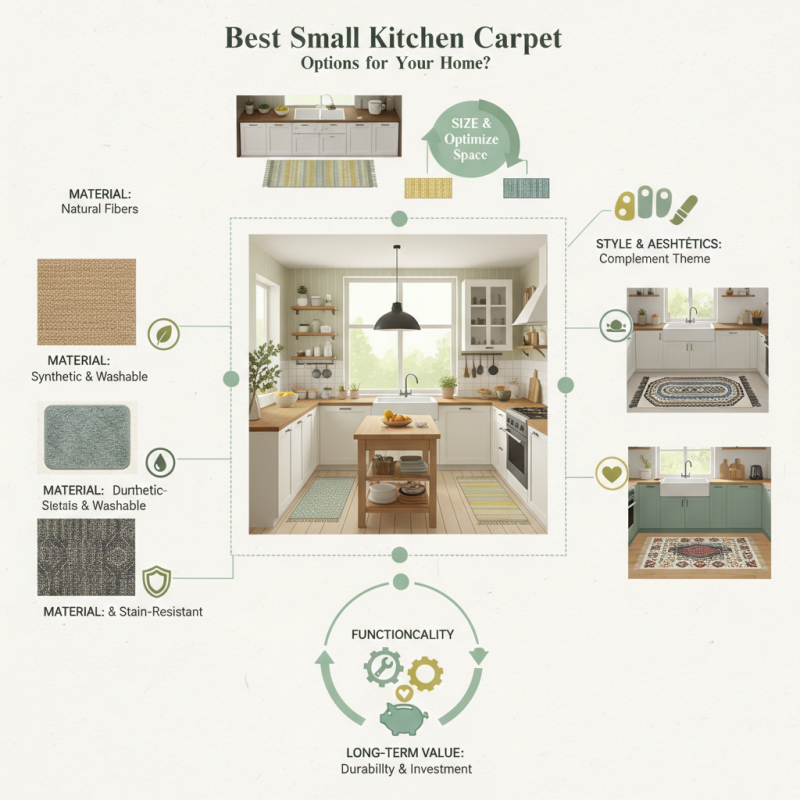
Best Small Kitchen Carpet Options
Maintenance Tips for Ensuring Longevity of Kitchen Carpets
Maintaining kitchen carpets is essential for their durability and appearance. Regular cleaning is crucial. According to a study by the Carpet and Rug Institute, carpets can attract up to 11 times their weight in dirt. This can lead to discoloration and wear. Vacuuming at least once a week is recommended to remove loose dirt and debris. Using a vacuum with a HEPA filter will improve indoor air quality, ensuring a healthier environment.
Spot cleaning is also vital. When spills occur, blot them immediately with a clean cloth. Do not rub. Rubbing can spread stains further and damage the fibers. A simple solution of mild detergent and water can effectively tackle most kitchen stains. It's important to avoid harsh chemicals, as they may degrade the carpet material over time.
Rotating your carpets can help reduce uneven wear. Furniture can create indentations and dark areas over time. Moving rugs occasionally allows for even fading and wear. Regular professional cleaning every 12 to 18 months helps maintain the carpet's vitality. The IICRC suggests that professional cleaning can extend the life of carpets by up to 50%. Keeping carpets clean not only enhances their lifespan but also contributes to the overall ambiance of your kitchen space.
Top Recommended Brands for Small Kitchen Carpets
When looking for the best small kitchen carpets, it's essential to consider quality brands that offer durability and style. Quality matters because the kitchen is a high-traffic area. A good carpet can withstand spills, stains, and heavy foot traffic. Brands that specialize in kitchen textiles often use materials that are stain-resistant and easy to clean.
Several top recommended brands focus on small kitchen carpets. These brands offer a variety of designs and textures. Think about plush, low-pile options that provide comfort without overwhelming the space. Patterns can add a splash of personality. Textured finishes can also help prevent slipping, making them safer in a busy kitchen.
While there are many great options, reflection is key. Every home is unique, and your choice should fit your style and functional needs. Test out different samples to see what works best. This step can reveal design clashes or discomfort that might not be obvious at first glance. Remember, the right carpet can enhance your kitchen, but choosing wisely is vital.