How to Choose the Best Rug Wool for Your Home Decor?
Choosing the right rug can transform your home décor. A significant factor in this selection is the type of rug wool used. Rug wool varies widely, influencing both aesthetics and functionality. Different weaves and fibers affect the overall feel and durability of a rug.
Rug wool is celebrated for its natural properties. It brings warmth and comfort to any space. However, not all wool is created equal. You might encounter synthetic blends that mimic the charm of natural wool. Still, genuine wool offers better longevity and freshness over time. The decision ultimately reflects your style and needs.
Navigating through various options can feel overwhelming. It’s essential to weigh factors like texture, color, and maintenance needs. Not every rug supplements a room effectively. Missteps in rug selection can disrupt the harmonious flow of your décor. Take your time to explore and reflect on what best suits your home.
Understanding the Different Types of Wool Rugs Available for Home Decor
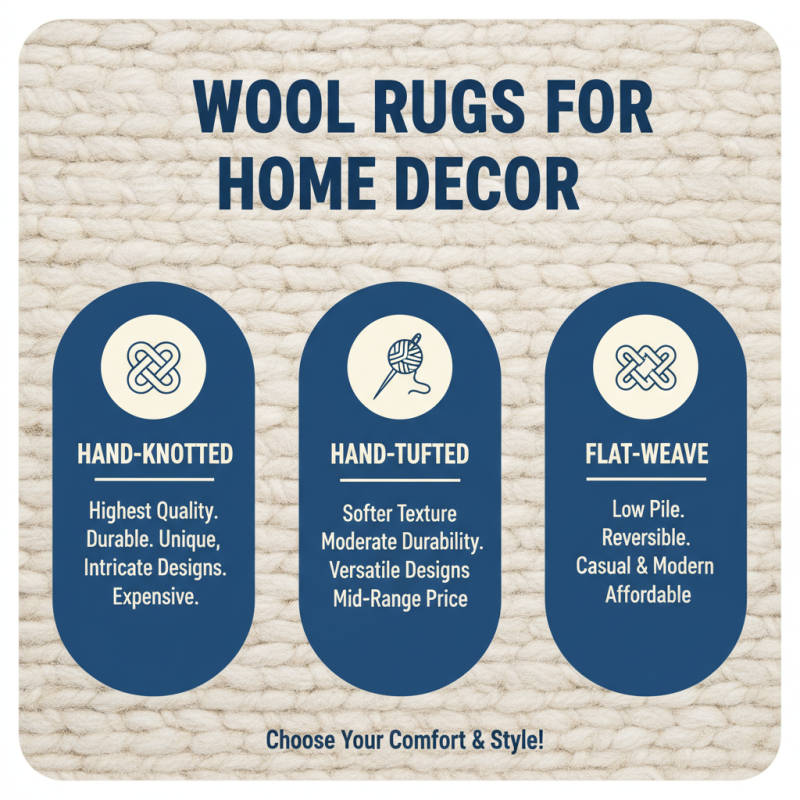
When selecting wool rugs for home decor, it’s important to recognize the various types available. Wool rugs come in different constructions, such as hand-knotted, hand-tufted, and flat-weave. Each type offers a unique texture and durability. Hand-knotted rugs are often considered the highest quality. They are time-consuming to make and can be quite expensive. However, their intricate designs often justify the price.
On the other hand, hand-tufted rugs provide a softer feel and are more affordable. They are made using a technique that results in a plush texture. Yet, they may not last as long as their hand-knotted counterparts. Flat-weave rugs offer an entirely different experience. They are lightweight and reversible, making them easy to clean. Despite their charm, they may lack the warmth of thicker piles.
Understanding these options empowers homeowners to make informed choices. A rug should not only match your aesthetic but also fit your lifestyle. Consider elements like foot traffic and climate. These factors may diminish the life of your rug. Take time to weigh your options before making a commitment. This will help ensure your decision enhances your home decor.
Evaluating Wool Quality: What to Look for in Rug Fibers
When choosing wool for your rugs, understanding fiber quality is vital. Not all wool is created equal. High-quality wool feels soft and plush, while poor options may seem rough. Look for fibers that have a natural sheen. This indicates good luster and durability.
Pay attention to the twist of the wool fibers. Tightly twisted fibers generally offer more strength and resilience. Loose fibers may lead to quicker wear and tear. Consider the length of the fibers as well. Longer fibers contribute to better durability and less shedding.
Inspect the color as well. Natural, dyed wool retains more vibrancy and richness. Inferior wool might fade or bleed. Keep in mind that imperfections can occur. Minor irregularities in texture can add character to your rug. Don't dismiss these as flaws; they can enhance the rug's uniqueness.
Evaluating wool quality thoughtfully will lead to a better decor choice.
Choosing the Right Wool Rug Based on Your Room's Style
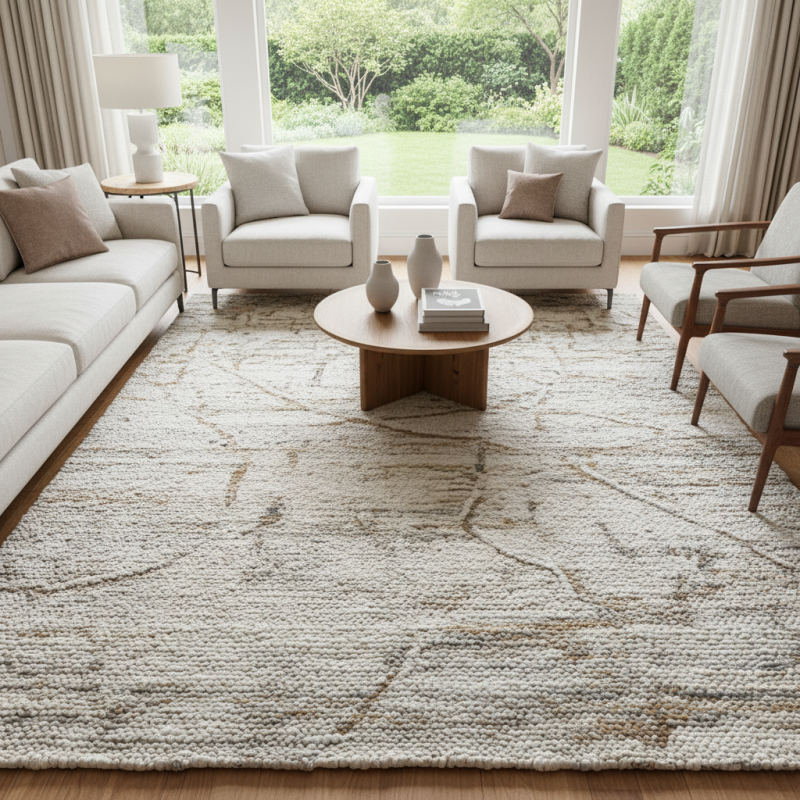
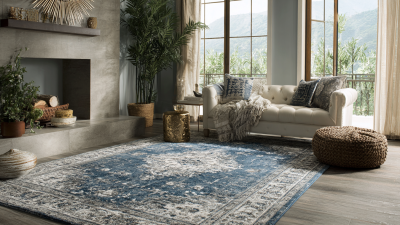
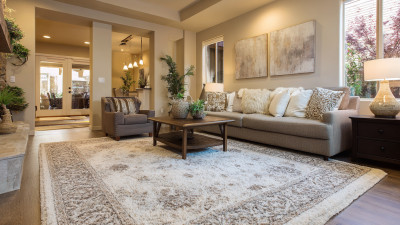
When considering how to choose the right wool rug for your home decor, think about your room's overall style. A contemporary space might benefit from a minimalistic design, while a traditional room may call for intricate patterns. Balancing colors and textures is vital in creating visual harmony. A soft, neutral-toned rug can enhance a bright, modern space, while a bold, patterned one can become the focal point in a classic setting.
Texture plays a significant role in the selection process. Consider how a thick, plush rug can add warmth to a minimalist room. Conversely, a thinner, flatter weave may suit a more industrial or modern aesthetic. Reflect on how the rug feels underfoot and how it interacts with your furniture pieces. Often, people overlook the importance of scale. A large rug can anchor a spacious room, while smaller rugs can define areas in open-concept layouts.
Choosing a wool rug is not solely about aesthetics. Take note of how colors and patterns can change the atmosphere. Dark colors tend to make a room feel cozy, while lighter shades can open up a space. It's essential to visualize the rug in your room before making a decision. Use fabric swatches and color samples to experiment. Sometimes, the best choice may come from trial and error.
Maintenance Tips for Keeping Your Wool Rug Looking New
Wool rugs are beautiful additions to any home. However, they require proper care to maintain their charm. Start with regular vacuuming to remove dirt and debris. A soft brush attachment works best. This simple step prevents particles from embedding in the fibers. Aim to vacuum at least once a week.
Occasionally, wool rugs need deeper cleaning. Spot cleaning is essential for spills. Blot the area immediately with a clean, dry cloth. Avoid rubbing, as it may damage the fibers. If a stain persists, consider using a mild detergent and water solution. Always test it on an inconspicuous area first. For extensive cleaning, hiring a professional is wise.
Wool can also attract moths. To prevent infestations, store rugs in airtight containers when not in use. Use lavender sachets for added protection. Make sure to rotate your rug every few months. Doing this evenly distributes wear and fading from sunlight. Keeping these tips in mind will help your wool rug remain vibrant and inviting.
How to Choose the Best Rug Wool for Your Home Decor? - Maintenance Tips for Keeping Your Wool Rug Looking New
| Wool Type |
Best Use |
Durability |
Maintenance Tips |
| New Zealand Wool |
High-traffic areas |
Very High |
Vacuum regularly; spot clean stains immediately. |
| Afghan Wool |
Dining rooms |
High |
Wash with cold water; avoid direct sunlight. |
| Merino Wool |
Living rooms |
Moderate |
Use a wool-safe cleaner; avoid wetting excessively. |
| Shetland Wool |
Bedrooms |
Moderate |
Brush regularly to remove dirt; protect from moths. |
Sourcing Ethical and Sustainable Wool Rugs for Eco-Friendly Decor
When choosing a wool rug for your home, ethical sourcing matters. The wool industry can have a significant environmental impact. According to a 2021 report from the Environmental Protection Agency, wool production can lead to soil degradation and water pollution if not managed properly. Consumers increasingly seek rugs made from responsibly sourced wool. This reflects a shift in awareness about sustainability.
Look for certifications when selecting a rug. Certifications like Global Organic Textile Standard (GOTS) ensure the wool is organic and produced ethically. A study by the Textile Exchange indicated that nearly 70% of consumers prioritize sustainability in their purchases. Such data emphasizes the importance of making informed choices.
Ethical sourcing often means supporting small farms that practice eco-friendly methods. These farms also contribute to local economies. However, it's essential to research these producers. Not all “sustainable” labels are trustworthy. You may find that some manufacturers exaggerate their claims. Engage with brands that are transparent about their sourcing practices. It’s a more complex path, yet it leads to a meaningful choice for your decor.
Wool Rug Materials Comparison