2025 How to Choose the Perfect Carpet for Your Office Space
Choosing the perfect carpet for your office space is a crucial decision that can significantly impact the overall atmosphere and productivity of your workplace. The right "Carpet Office" solution not only enhances the aesthetic appeal of your environment but also contributes to employee comfort and well-being. As the workplace continues to evolve, it's essential to consider various factors that will affect your selection, ensuring that your choice aligns with both functional requirements and design goals.
When selecting the ideal carpet for your office, various elements come into play. From durability and maintenance to color schemes and patterns, each aspect can influence the ambiance and functionality of your workspace. Additionally, the carpet you choose should reflect your company’s culture and brand identity while catering to the unique needs of your team. This guide will explore key considerations that will help you navigate through the myriad of options available, enabling you to create an office environment that is not only stylish but also conducive to productivity and collaboration.

Understanding Different Types of Carpets for Office Use
When it comes to selecting carpets for an office space, understanding the different types available is crucial. The choice of carpet can significantly impact not only the aesthetic appeal of the workspace but also its functionality and durability. According to a report by the Floor Covering Institute, approximately 60% of workplace distractions can be mitigated through effective acoustics, making carpet an essential consideration for sound absorption. Additionally, commercial-grade carpets are designed to handle high foot traffic, with studies showing that nylon and polyester carpets can retain their appearance up to 10 times longer than residential options.
Choosing the perfect carpet involves several factors. First, consider the type of fiber; loop pile carpets are known for their durability and stain resistance, making them ideal for busy office environments. In contrast, cut pile carpets provide a softer feel and can enhance the comfort of common areas. A recent survey by the International Interior Design Association indicated that offices prioritizing comfort and design saw a 17% increase in employee productivity, further underscoring the importance of selecting the right carpet type.
Tips: To guide your decision, assess the specific needs of each area within your office. For example, high-traffic areas may benefit from low pile options that resist crushing, while quieter zones could utilize plush carpets to enhance comfort. Additionally, selecting carpets with antimicrobial properties can improve workplace hygiene, an increasingly essential factor post-pandemic.
Evaluating Carpet Durability and Maintenance Requirements
When selecting the perfect carpet for your office space, understanding durability and maintenance requirements is crucial. According to the Flooring Industry Council, carpets in commercial settings should ideally withstand heavy foot traffic, which includes not only daily workers but also clients and visitors. A durable carpet can significantly reduce long-term costs related to premature replacements and maintenance. Opt for carpets made from nylon or polyester, which are often recommended for their resilience and stain resistance, making them suitable for high-traffic areas.
Maintenance is another key factor influencing the longevity of your carpet. According to the Carpet and Rug Institute, regular cleaning can extend the life of your floor covering by up to 30%. A proactive approach involves frequent vacuuming, as well as periodic deep cleaning every 12 to 18 months to remove trapped dirt and allergens. Implementing a proper maintenance schedule not only enhances the appearance of your office but also contributes to a healthier work environment.
Tips: Consider selecting carpets with built-in stain resistance treatment to ease the cleaning process. Additionally, using mats at entrances can trap dirt and moisture, thereby reducing wear on the carpet and prolonging its life. Remember, the right maintenance routine is essential for keeping your office looking professional and inviting.
2025 How to Choose the Perfect Carpet for Your Office Space - Evaluating Carpet Durability and Maintenance Requirements
| Carpet Type |
Durability Rating |
Maintenance Requirements |
Average Lifespan |
| Nylon |
High |
Regular vacuuming, deep cleaning every 12-18 months |
10-15 years |
| Polypropylene |
Medium |
Regular vacuuming, occasional spot cleaning |
5-10 years |
| Wool |
Very High |
Regular vacuuming, professional cleaning every 1-2 years |
15-20 years |
| Triexta |
High |
Regular vacuuming, stain treatment as needed |
10-15 years |
Choosing the Right Color and Texture for Your Office Environment
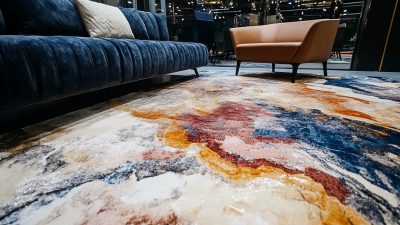
When selecting the perfect carpet for your office space, color and texture play critical roles in creating the desired atmosphere and functionality of the environment. The color of your carpet can significantly influence the mood and productivity of employees. For instance, warm colors such as reds and oranges can foster energy and creativity, making them ideal for collaborative spaces. In contrast, cooler tones like blues and greens can promote calmness and focus, suitable for areas that require concentration or reduced noise.
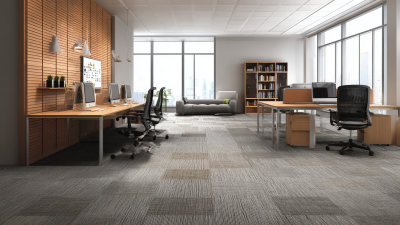
Texture is equally important, as it can enhance both the aesthetic and practical aspects of your office. A plush carpet may provide comfort underfoot and create a cozy ambiance, which is beneficial in informal meeting areas or lounges. Meanwhile, low-pile carpets are often easier to maintain and can withstand heavy foot traffic, making them a smart choice for hallways and busy workspaces. Additionally, combining different textures and patterns can add visual interest, helping to delineate areas and encourage different functions within your open office layout. Balancing color and texture thoughtfully will ensure that your office carpet not only meets functional needs but also aligns with the overall design vision of your workspace.
Assessing Budget and Cost-Effectiveness of Carpet Options
When selecting the ideal carpet for your office space, understanding the budget and cost-effectiveness of various options is crucial. Begin by outlining your budgetary constraints, which will guide your choices throughout the selection process. Different types of carpets come with varying price points, influenced by factors like material, durability, and installation costs. For instance, while natural fibers might offer aesthetic appeal, synthetic options often provide greater durability at a lower price, making them a more cost-effective solution for high-traffic areas.
Another essential aspect to consider is the long-term value of the carpet. Investing in a higher-quality product that boasts superior wear resistance can lead to lower maintenance costs and prolonged lifespan, ultimately representing a savvier financial decision. To evaluate cost-effectiveness, consider obtaining multiple quotes from suppliers, and factor in potential additional expenses such as underlay and installation fees.
By conducting thorough research and budgeting carefully, you can find a carpet solution that meets both your aesthetic desires and financial constraints, ensuring your office space remains professional and inviting.
Considering Environmental Impact and Sustainability in Carpet Selection
In the quest for the ideal carpet for office spaces by 2025, prioritizing
environmental impact
and sustainability is crucial.
The commercial flooring market has seen a significant shift as companies strive to align their
procurement practices with eco-friendly principles.
According to the Global Carpet and Rugs Market report,
the demand for sustainable products is rising, with over 60%
of consumers expressing a preference for carpets made from recycled materials, highlighting a growing awareness of
environmental issues. This shift not only caters to consumer preferences but also helps companies meet
corporate social responsibility (CSR) goals.
When selecting carpets, consider materials such as recycled nylon or wool,
which have a lower environmental footprint compared to traditional options. Research by the
Carpet and Rug Institute found that carpets can contribute to
LEED (Leadership in Energy and Environmental Design) credits, promoting
sustainable building practices. Additionally, carpets with low-VOC (volatile organic compounds) emissions help
improve indoor air quality, thereby supporting the health and well-being of employees.
As businesses navigate their choices, evaluating the sustainability of sourcing, production methods, and end-of-life
options for carpets can lead to a more responsible, environmentally-conscious office space.