Leave Your Message

How to Choose the Best Kids Carpet for Your Home?

Choosing a Kids Carpet is not just about color or a playful pattern. It means balancing comfort, cleaning, durability, and the room’s everyday demands. A soft surface can make reading and floor play more inviting. But a pale, deep-pile carpet may show crumbs and hold onto spills. Picture a child carrying washable paint across a bright bedroom rug. Small details matter.

For transparency, the expert voice below is fictional, not a real-world endorsement. In this guide, fictional flooring consultant Maya Chen puts the decision simply: “Choose for the messes your home actually has, not the room you imagine.” That is useful advice, though it cannot replace checking product details. Compare pile height, fiber, backing, and care instructions before buying. Consider how easily the carpet can be vacuumed, whether its surface feels comfortable for play, and how it fits the room’s traffic. Ask about relevant material and emissions information, too. No single carpet suits every child or household. This guide will help you weigh practical options, spot trade-offs, and choose a Kids Carpet that fits your space—without assuming that the most colorful or expensive choice is automatically best.
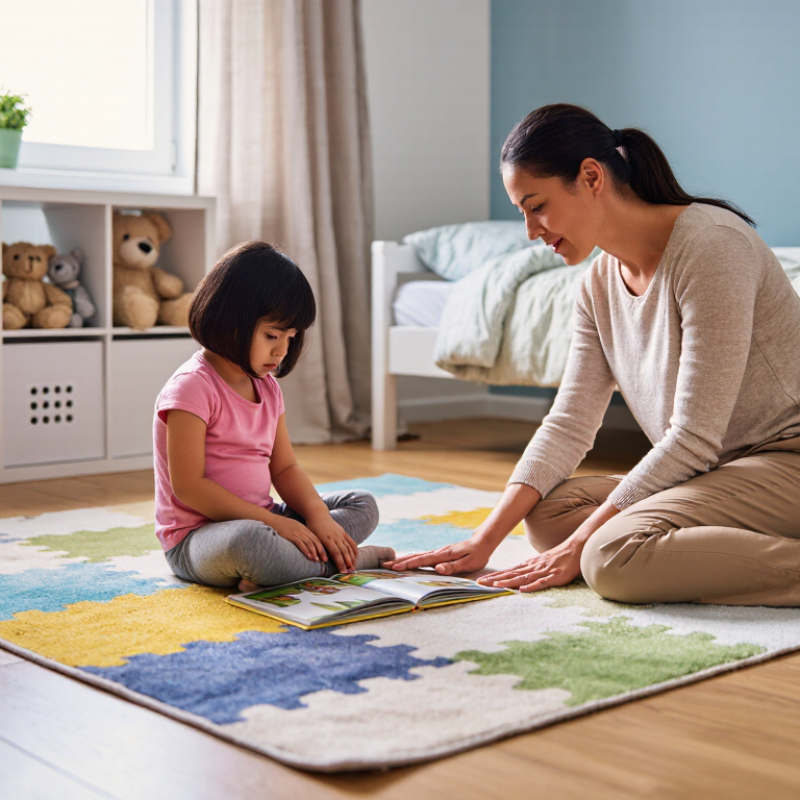
How to Choose the Best Kids Carpet for Your Home?

Assess Your Child’s Needs and the Room’s Use

How to Choose the Best Kids Carpet for Your Home?
Assess Your Child’s Needs and the Room’s Use

Start with your child’s daily routine, not a color chart. A crawling baby needs a soft, stable surface for floor play. An older child may need space for blocks, drawing, and energetic games. For bedrooms, consider a comfortable pile that feels pleasant under bare feet. For busy playrooms, a low, dense pile is often easier to vacuum and less likely to trap small toys. Small details matter.

Think about spills, pets, and sensitivities, too. EPA’s guide, The Inside Story: A Guide to Indoor Air Quality, reports that indoor levels of some pollutants can be two to five times outdoor levels. That figure does not mean carpet causes poor air quality. It does support choosing materials with credible low-emission certification and keeping up with vacuuming and ventilation. No checklist catches every mess, and a pale carpet may look lovely until juice meets it.

Tips: Test a sample where your child actually plays. Check that it stays flat and does not slide on the floor. Ask about cleaning instructions before buying; a cushiony feel is useful, but an overly thick surface can make toy cars and building blocks frustrating. If allergies are a concern, discuss flooring choices with your child’s healthcare professional.
Compare Carpet Materials, Pile Types, and Comfort

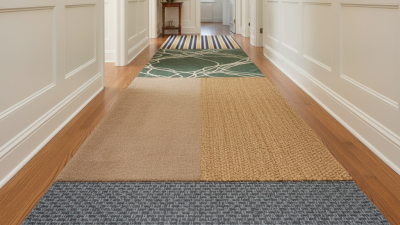
When comparing carpet materials, think about how the room is used. Wool feels springy and warm underfoot, but it can cost more and may need careful cleaning. Nylon is resilient and often handles frequent foot traffic well. Polyester can feel soft and resist some stains, though performance varies by construction. Check the care label and ask how the carpet responds to common spills, such as juice or washable paint.

Pile height changes comfort and cleanup. A low, dense pile makes toy cars easier to roll and crumbs simpler to vacuum. A thicker cut pile feels softer for floor play, but small pieces can disappear inside it. Loop piles can be durable, yet loose loops may catch on some toys. Feel it barefoot. Comfort is personal, and a plush sample may feel different across a whole room.

Compare samples in daylight, then press them with your palm and walk on them in socks. Look for a dense backing and edges that stay flat. If children spend hours sitting on the floor, pair a firm, low-pile carpet with a washable play mat in the busiest spot. It may not feel as cozy everywhere. That trade-off is worth considering. Ask about cleaning requirements and allow samples to sit in the room for a few days before choosing.

Check Safety, Durability, and Indoor Air Quality

How to Choose the Best Kids Carpet for Your Home?

Start with safety underfoot. Check the carpet’s care and materials labels, and look for clear information about fiber content and emissions. A low-pile surface is often easier to vacuum and less likely to snag small toys. For a play area, press the carpet edges down and add a compatible non-slip pad if needed. A curled corner can trip a running child. Small details matter.

Indoor air quality deserves a close look, especially in a room where children spend hours. Check for recognized low-emission testing or certification, and follow the maker’s instructions for airing out a new carpet. A strong smell may be unpleasant, but smell alone cannot tell you what is in the air. Durability matters, too. Dense, tightly constructed carpets can handle frequent play, while washable options may simplify spills. Read cleaning instructions before buying; some stains need prompt attention. I still find product labels hard to compare, so clear, specific claims are more useful than vague “safe” language.

Choose the Right Size, Color, and Pattern

For a child’s room, size the carpet around daily play, not just the bed. Measure the open floor and mark furniture edges with painter’s tape before shopping. A rug that reaches under the bed’s front legs can soften the landing beside it, while leaving a clear path to the door. Measure twice. Small rugs often slide or bunch, so check that a suitable non-slip pad fits beneath.

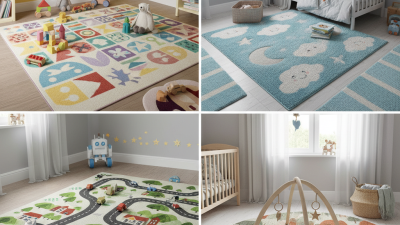
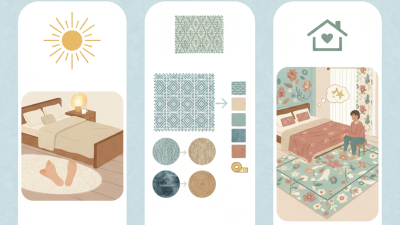
Color and pattern should work with real-life mess. Mid-tone blues, greens, and warm neutrals can disguise dust better than very pale shades. Small, irregular patterns help camouflage crumbs and scattered toy marks. Large, high-contrast designs may feel busy in a compact room; test a sample beside the bedding in morning and evening light. I’d avoid choosing from a tiny screen image alone.

Tips: Tape out the full size first, then view a color sample on the floor. The U.S. Environmental Protection Agency reports that levels of some indoor pollutants can be two to five times higher indoors than outdoors; this is not carpet-specific, but it’s a good reason to check emissions information and air out new flooring. Don’t over-optimize for stains. Kids’ tastes change, and a perfectly coordinated room can feel dated surprisingly fast.

Plan for Cleaning, Stain Resistance, and Maintenance

A kids’ carpet should fit your cleaning routine, not just the room’s colors. Think about where spills happen: beside the craft table, under a snack chair, or near the doorway after rainy play. Low-pile carpets are generally easier to vacuum because crumbs have fewer places to hide. A tightly woven surface can also make everyday messes simpler to lift. Check the care label before choosing.

Stain resistance is useful, but it does not mean stain-proof. Look for materials and finishes described as easy to clean, and ask how they handle common spills such as juice or washable paint. At home, blot a fresh spill with a clean cloth rather than rubbing it deeper into the fibers. Use only a suitable cleaner, test it in an inconspicuous spot, and avoid soaking the carpet. Too much water can be difficult to remove.

Maintenance is often small and regular. Vacuum busy areas several times a week, and turn the carpet occasionally if one patch gets more wear. Shake out small rugs outdoors when practical. Check the underside for trapped crumbs, and let any damp area dry fully before children return to play. Honestly, a pale carpet may look lovely, but it can demand more attention than a busy household wants to give. Choose a color and texture you can live with on an ordinary Tuesday.

How to Choose the Best Kids Carpet for Your Home? — Plan for Cleaning, Stain Resistance, and Maintenance

Carpet Option Stain and Spill Considerations Cleaning Approach Ongoing Maintenance Good Fit For Things to Check
Nylon, low pile Nylon is resilient and commonly used in busy areas. Stain performance varies by product and any applied stain-resistant treatment. Blot spills promptly with a clean cloth, then use a carpet cleaner approved for the product. Vacuum regularly. Move furniture occasionally to limit uneven wear. Follow the manufacturer’s directions for deeper cleaning. Playrooms, hallways, and bedrooms with frequent foot traffic. Check the care label, pile height, and whether the product has a stain-resistant treatment.
Polyester, low pile Polyester fibers resist absorbing water-based spills, but oily soils can be more difficult to remove. Blot liquid spills promptly. Use only a cleaner suitable for the carpet and avoid rubbing, which can spread the stain. Vacuum on a setting appropriate for the pile. Address oily marks promptly and follow care instructions. Bedrooms and play spaces where softness and routine spill cleanup are priorities. Ask about the carpet’s construction and cleaning instructions; fiber type alone does not guarantee stain resistance.
Polypropylene (olefin), low pile The fiber has low moisture absorbency, which can help with some water-based spills. Oily soils may be harder to clean, and the fiber is sensitive to high heat. Blot spills and use a product-approved cleaning method. Avoid hot irons or other high-heat treatments. Vacuum regularly and arrange furniture to reduce concentrated wear in busy areas. Casual-use rooms and areas where moisture resistance is useful. Check heat-related care warnings and suitability for the room’s level of foot traffic.
Wool, low pile Wool is a natural fiber that can absorb spills. Some soils may be easier to manage when treated promptly, but stains can set if neglected. Blot rather than scrub. Use a cleaner specifically approved for wool, or consult a qualified carpet-cleaning professional. Vacuum gently and follow the product’s recommended schedule for professional cleaning. Families who prefer a natural fiber and are prepared for careful maintenance. Review the care label and cleaning requirements before purchase; avoid unapproved cleaning chemicals.
Washable area rug Washability depends on the rug’s materials, backing, and construction. A washable label does not necessarily mean every stain can be removed. Check the care label for machine-washing instructions, water temperature, and drying method. Spot-clean between washes as directed. Wash only as often as recommended; confirm that the rug and its backing can be dried properly. Small play areas where a removable floor covering is convenient. Verify the washing instructions and use a compatible rug pad if recommended for the floor type.
Low-pile construction A shorter pile generally gives crumbs and surface debris fewer places to settle than a deep, shaggy pile. Vacuum using a setting suitable for the carpet. Blot liquid spills promptly and clean according to the fiber’s care instructions. Regular vacuuming helps remove dry soil before it is tracked deeper into the carpet. Mess-prone play areas and rooms where easy vacuuming is important. Check that the pile and backing feel comfortable and are appropriate for the intended room.

Practical tip: For any carpet or rug, follow its care label, test cleaning products in an inconspicuous area, and blot spills promptly instead of rubbing them.