How to Effectively Machine Wash Carpets for Best Results
When it comes to maintaining a clean home, how to effectively machine wash carpets is a frequent concern. Experts in this field, like Jamie Holt, a recognized carpet cleaning technician, emphasize the importance of using the right techniques. "You must understand your carpet’s material," Holt says. This is crucial for achieving the best results.
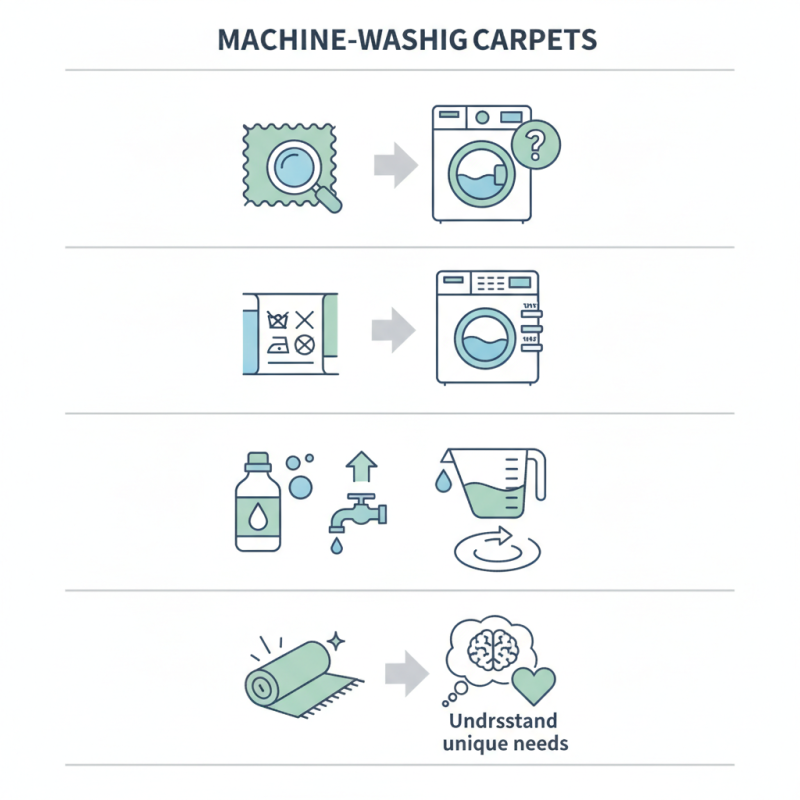
Machine washing carpets requires attention to detail. Not all carpets can withstand machine washing, and using the wrong settings can damage them. It's vital to check labels and instructions. Many people overlook this step and regret it later.
Moreover, selecting the right detergent matters too. Some may choose a product without considering its efficacy. Common mistakes include using too much soap or not rinsing properly. These oversights can lead to stains or a lingering smell. Remember, effective machine wash carpets isn't just about cleaning; it’s about understanding your carpet’s unique needs.
Choosing the Right Machine for Carpet Washing
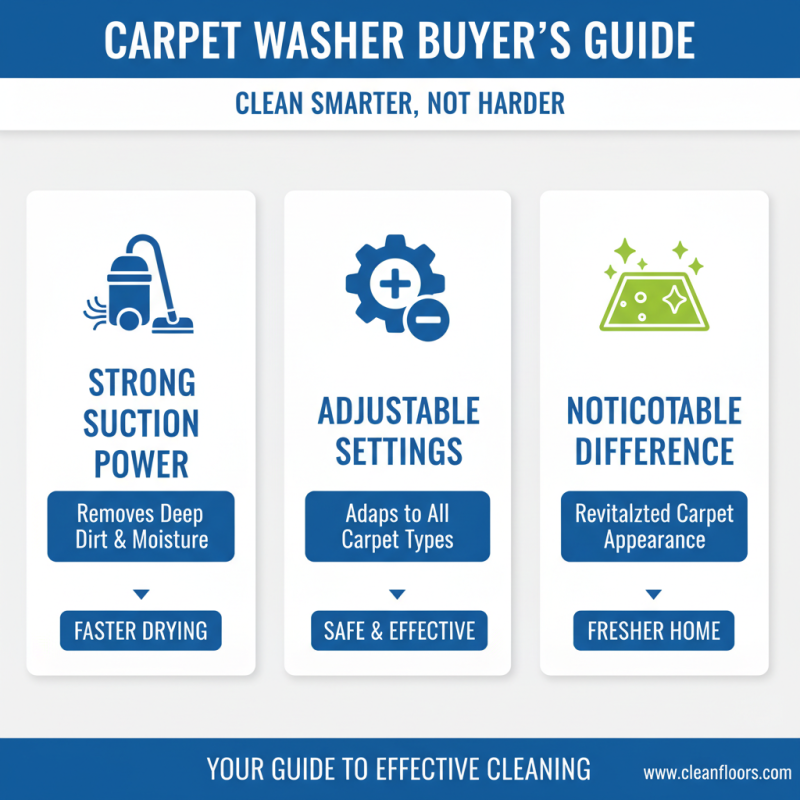
Choosing the right machine for carpet washing is crucial for effective cleaning. A good machine can make a noticeable difference in your carpet's appearance. Look for machines with strong suction power. This helps in removing dirt and moisture effectively. Consider models with adjustable settings. They can adapt to various carpet types.
Portability is another essential factor. A lightweight or compact machine is often easier to handle. Assess the tank capacity, too. Smaller tanks need frequent refills, interrupting the cleaning process. Think about your cleaning frequency. If you wash carpets often, investing in a more durable machine is wise.
While many machines have beneficial features, they may also require maintenance. Some components can wear out quickly, demanding replacement. Researching can help avoid mistakes when choosing. Review user feedback for insights on real-world performance. Certain machines might not meet expectations, leading to disappointment. Reflect on your priorities and needs before making a choice.
Preparing Your Carpet for Machine Washing
Preparing your carpet for machine washing is crucial for achieving the best results. Start by removing all loose items and furniture to give yourself ample space. Vacuum the carpet thoroughly. Focus on edges and corners. Dust and dirt are often hidden there. This step is essential for a deep clean.
Tips: Try to go slow while vacuuming. You might miss spots if you rush. Pay special attention to high-traffic areas, as they accumulate more grime. Also, if the carpet has any stains, treat them beforehand. Use a suitable stain remover, applying it gently and allowing it to soak in.
Next, check your carpet for any loose threads or damaged spots. This is not the time for a hasty approach. Repair any issues to prevent further damage during washing. Inspect under furniture; you may discover hidden stains or dirt. Keep your expectations realistic—your carpet may not look brand new, but it can definitely be refreshed.
Tips: Sometimes, stubborn stains might need extra attention. Don’t hesitate to repeat cleaning cycles if needed. A little patience goes a long way.
How to Effectively Machine Wash Carpets for Best Results - Preparing Your Carpet for Machine Washing
| Step |
Description |
Tips |
| 1 |
Remove loose dirt and debris from the carpet using a vacuum cleaner. |
Vacuum in multiple directions for thorough cleaning. |
| 2 |
Pre-treat any stains with an appropriate carpet cleaner. |
Allow the pre-treatment solution to sit for 5-10 minutes before washing. |
| 3 |
Fill the machine with water and carpet-safe detergent. |
Follow the manufacturer's instructions for detergent ratios. |
| 4 |
Begin washing the carpet, starting from one corner and moving in a straight line. |
Overlap each pass slightly to ensure even cleaning. |
| 5 |
Empty and refill the machine with clean water as needed. |
Check the tank regularly to avoid dirty water being used. |
| 6 |
Allow the carpet to dry completely before walking on it. |
Use fans or open windows to speed up the drying process. |
Selecting the Appropriate Cleaning Solution
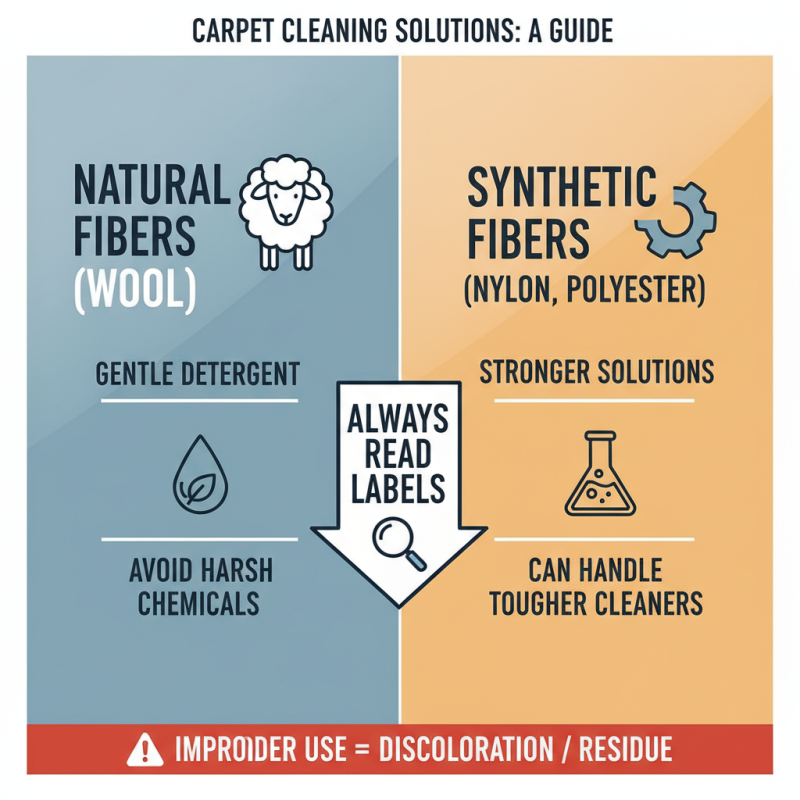
When it comes to washing carpets, selecting the right cleaning solution is crucial. Different fabrics require different approaches. For natural fibers like wool, a gentle detergent is best to avoid damage. Synthetic fibers can handle stronger solutions. However, always read labels carefully. Improper use can lead to discoloration or residue buildup.
Concentration is key. A solution that is too strong may not rinse out completely. This could leave your carpet feeling sticky or attracting more dirt over time. Test any new cleaning solution on a hidden area first. This will help you gauge its effects.
Sometimes, we rush this selection process. It’s easy to grab something off the shelf without a second thought. Don't overlook this important step. Investing a bit more time in choosing the right cleaner can yield better results. Remember, the goal is to clean effectively without harming your carpets.
Step-by-Step Guide to Operating the Carpet Washer
Operating a carpet washer can seem daunting at first, but with the right approach, it becomes manageable. Start by preparing the area. Move furniture and clear any obstacles out of the way. Next, vacuum the carpet thoroughly. This step is crucial. It removes loose dirt and debris, making washing more effective. Don’t rush this part; a clean carpet ensures better results.
Once vacuumed, fill the carpet washer’s tank with water and cleaning solution. Follow the instructions carefully; too much solution can leave residues. Begin in one corner of the room and work your way out. Overlap your passes slightly to avoid streaks. Make sure to go slow. Rushing can lead to missed spots or uneven cleaning. After washing, allow the carpet to dry completely. Use fans or open windows for faster drying.
Despite careful execution, you might notice some areas still seem dirty after drying. This happens sometimes. Try re-cleaning those spots with a bit more solution. It's a learning process. Your carpet will become cleaner each time you wash it. Over time, you’ll perfect your technique. Pay attention to what works best for your specific carpet type. Experimentation often leads to better results.
Carpet Cleaning Efficiency by Machine Type
Drying and Maintaining Your Carpet After Washing
After washing your carpets, drying them properly is crucial. Start by removing excess water. Use clean towels to blot the surface, absorbing as much moisture as possible. This step is important, as lingering dampness can lead to mold growth.
Ensure proper airflow in the room. Open windows and doors, or use fans if necessary. Aim for a dry carpet within a few hours.
Maintenance is just as important. Regularly vacuum to pick up dirt and debris. Deep cleaning every few months will keep your carpets looking fresh. However, be careful with cleaning products. Some may leave residues or damage fibers. Always test in a small area first. Consider this when planning your cleaning schedule. Everyone has their own routines, and reflecting on your habits can lead to better outcomes.