10 Essential Tips for Choosing the Best Anti Slip Mat Carpet
In the ever-evolving landscape of home safety and interior design, the selection of the right
Anti Slip Mat Carpet has become paramount. According to a recent report by the
Home Safety Council, approximately 3 million older adults are treated in
emergency departments for fall-related injuries annually, underscoring the importance of preventive measures.
Anti slip solutions, particularly those designed as carpets, offer a significant layer of protection, ensuring
stability in both residential and commercial spaces. As consumer demand rises, understanding the intricacies of
choosing the ideal product has never been more critical.
Industry expert Dr. Samuel L. Parker, a leading figure in home safety research, emphasizes the need for quality in this market:
“The right Anti Slip Mat Carpet not only enhances safety but also complements the aesthetic of the space.”
With his insights, individuals seeking to make informed decisions can benefit from a deeper understanding of
materials, textures, and certifications that ensure longevity and effectiveness. As we delve into the
top five tips for selecting the best Anti Slip Mat Carpet, we aim to equip
consumers with the knowledge necessary to create safer environments without compromising style.
Key Features to Look for in an Anti Slip Mat Carpet
When it comes to selecting the best anti-slip mat carpet, understanding key features is crucial for ensuring safety and durability. One important aspect is the material composition. According to a recent industry report by the National Safety Council, approximately 9 million slip-and-fall injuries occur annually in the United States, emphasizing the need for high-quality materials that enhance grip. Look for carpets made from non-toxic rubber or PVC, which provide excellent traction while being eco-friendly.
In addition to material, consider the thickness and density of the mat. Thicker mats absorb shock and reduce the impact of slips, significantly decreasing the likelihood of injury. Research from the U.S. Consumer Product Safety Commission indicates that thicker mats can reduce slip incidents by up to 30%.
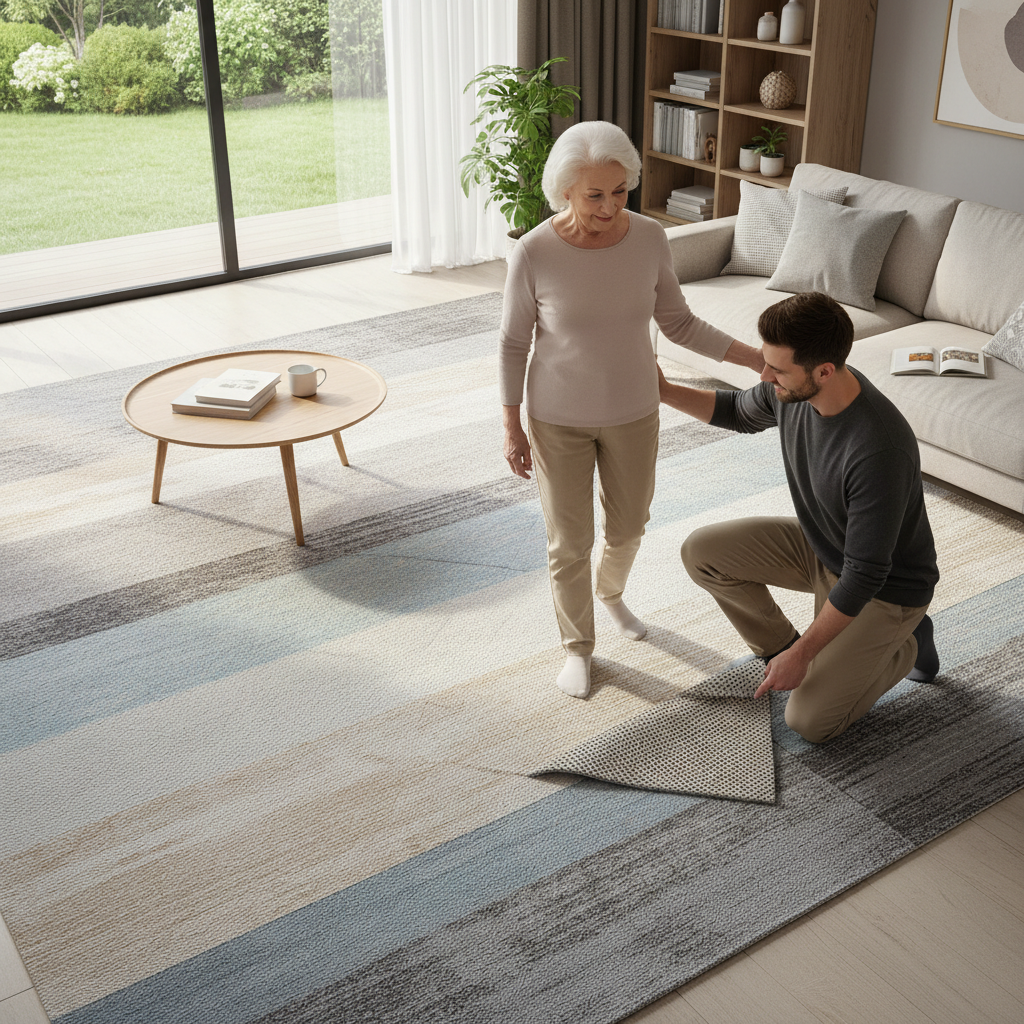
Lastly, ensure that the anti-slip mat has an effective backing. A strong adhesive or anti-skid backing plays a pivotal role in keeping the mat securely in place. As a tip, always check for certifications or compliance with safety standards when purchasing, as this can guarantee you are investing in a reliable product that meets industry benchmarks for anti-slip performance.
Types of Materials Used for Anti Slip Mats: Pros and Cons
When selecting the best anti-slip mat carpet, understanding the types of materials available is crucial. Common materials like rubber, vinyl, and fabric each have their unique benefits and drawbacks. Rubber mats are known for their strong grip and durability, making them ideal for high-traffic areas. However, they can be heavier and less aesthetically pleasing. Vinyl mats offer a good balance between safety and style, easily blending into various decor while providing decent traction. Yet, they may not be as durable as rubber in the long run.
Fabric anti-slip mats provide a softer surface underfoot and can enhance the visual appeal of a space. However, they often require more maintenance and may not perform as well in wet conditions. To make an informed decision, consider these materials' pros and cons in relation to your specific needs.
When evaluating choices, it’s important to consider the environment where the mat will be used. For instance, in areas prone to moisture, opt for water-resistant materials like rubber or vinyl. Always prioritize safety features over aesthetics; after all, the primary purpose of an anti-slip mat is to prevent accidents. Additionally, look for mats with added features, such as drainage holes for easy cleaning.
Material Comparison for Anti Slip Mats
Understanding Safety Ratings and Certifications for Anti Slip Mats
When selecting the best anti-slip mat carpet, understanding safety ratings and certifications is crucial to ensuring you make the right choice. Various organizations and regulatory bodies provide safety ratings that indicate how resistant a mat is to slipping. For instance, look for mats that have been tested according to standards set by organizations like the American National Standards Institute (ANSI) or the National Floor Safety Institute (NFSI). These certifications not only signify that the mat has undergone rigorous testing but also provide peace of mind regarding its performance in preventing slips and falls.
Additionally, certifications related to material safety and environmental impact can also play a significant role in your decision. Many anti-slip mats will come with labels indicating compliance with safety regulations such as the ASTM International standards, which evaluate both the traction of the surface and the potential for slipping. By choosing mats that meet these safety criteria, consumers can better ensure that their investment contributes to a safer environment, reducing the risk of accidents both at home and in commercial settings. Always pay attention to these ratings to ensure that your mat not only looks good but also provides reliable safety features.
Tips for Maintenance and Longevity of Your Anti Slip Mat Carpet
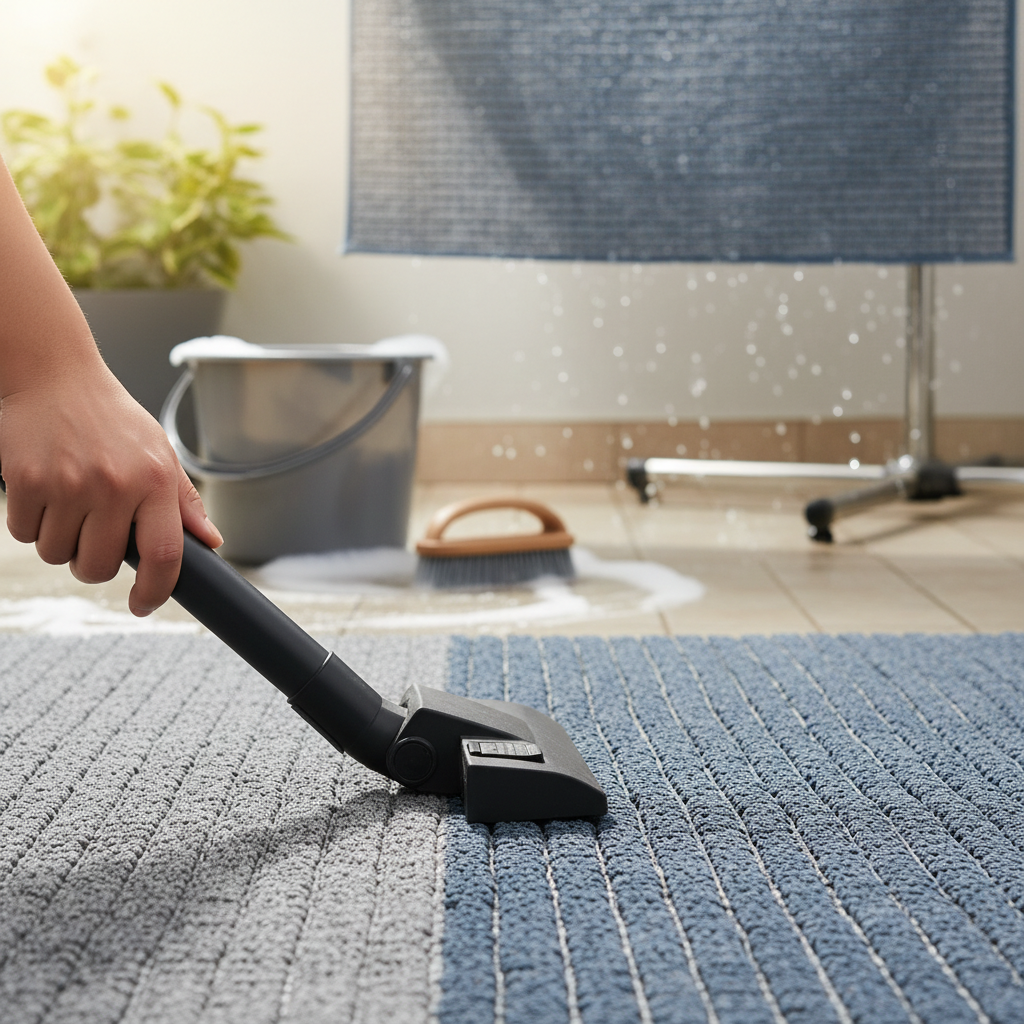
When it comes to maintaining the longevity of your anti-slip mat carpet, regular cleaning is crucial. Vacuuming weekly helps remove dirt and debris that can wear down the fibers over time. For deeper cleaning, use a mild detergent mixed with warm water. Avoid harsh chemicals that may degrade the material. After cleaning, ensure the mat is thoroughly dried to prevent moisture buildup, which can lead to mold or mildew.
Another important tip is to place the anti-slip mat carpet in areas with low foot traffic whenever possible. This not only minimizes wear but also extends the life of the mat. If you notice any fraying or damage, address it promptly; stitching can often be repaired, avoiding the need for a complete replacement. Additionally, consider using a mat protector underneath to reduce friction and enhance durability. By following these simple maintenance steps, you can keep your anti-slip mat carpet looking great and functioning effectively for years to come.
Choosing the Right Size and Design for Your Space
When selecting the right anti-slip mat carpet for your space, the size and design are critical aspects to consider. According to a report by the American Society for Testing and Materials, properly sized matting can reduce slip-and-fall incidents by up to 70%. This data highlights the importance of choosing mats that not only fit your designated area but also provide maximum coverage for safety. For residential settings, measuring the floor space where the mat will reside is essential. Mats should extend beyond high-traffic areas, ensuring that no part of the floor is left exposed to potential slips.
Design-wise, the aesthetic appeal of the mat should complement your existing decor while maintaining functionality. Research from the National Safety Council indicates that visually appealing mats encourage more consistent usage. Therefore, consider materials and patterns that not only enhance the decor but also improve visibility and alert users to the presence of the mat. Color contrast between the carpet and the mat can further enhance safety by drawing attention to the mat itself, creating a safe and stylish environment in your home or business.