Fluffy Carpet Buying Guide for Global Importers How to Choose?
When considering the world of soft furnishings, few items create a more inviting atmosphere than a Fluffy Carpet. These carpets add warmth, style, and comfort to any space. They serve as fashionable floor coverings that enhance both residential and commercial environments. However, the process of selecting the right Fluffy Carpet can be overwhelming for global importers.
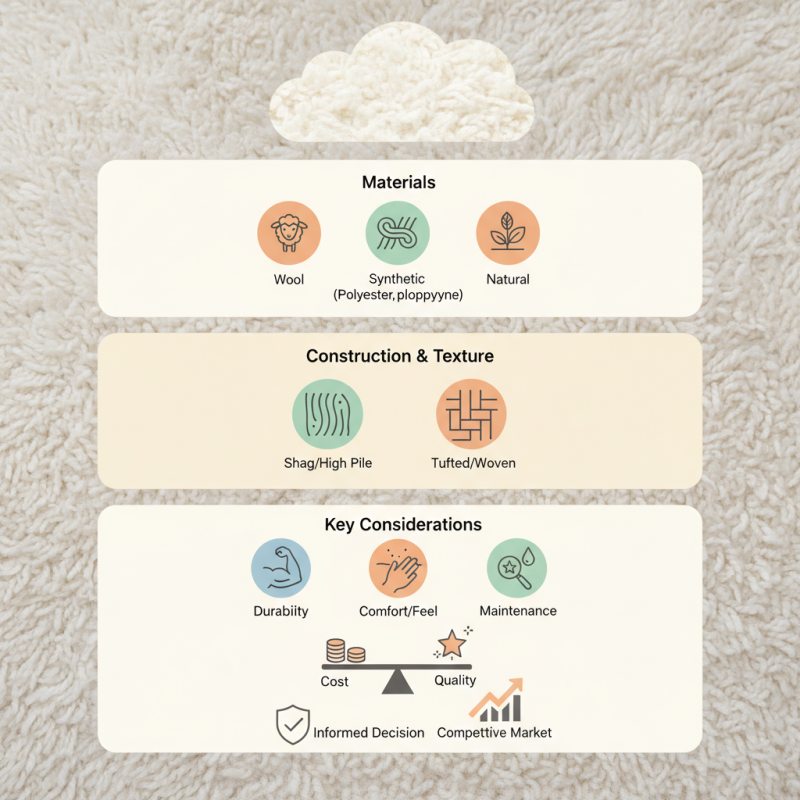
Understanding the various materials, textures, and construction techniques is crucial. Each choice carries implications for durability, feel, and maintenance. Importers must navigate a sea of options, weighing quality against cost. There are numerous manufacturers claiming the best products, but not all carpets are created equal. Exploring customer reviews and expert insights can help make informed decisions.
While seeking the perfect Fluffy Carpet, potential pitfalls exist. Some carpets may appear luxurious but lack resilience. Others may come at a high price point without delivering the promised quality. Reflecting on these challenges is vital for making wise purchases. With the right knowledge and attention to detail, importers can successfully choose carpets that meet their needs and stand out in a competitive market.
Understanding Different Types of Fluffy Carpets Available Globally
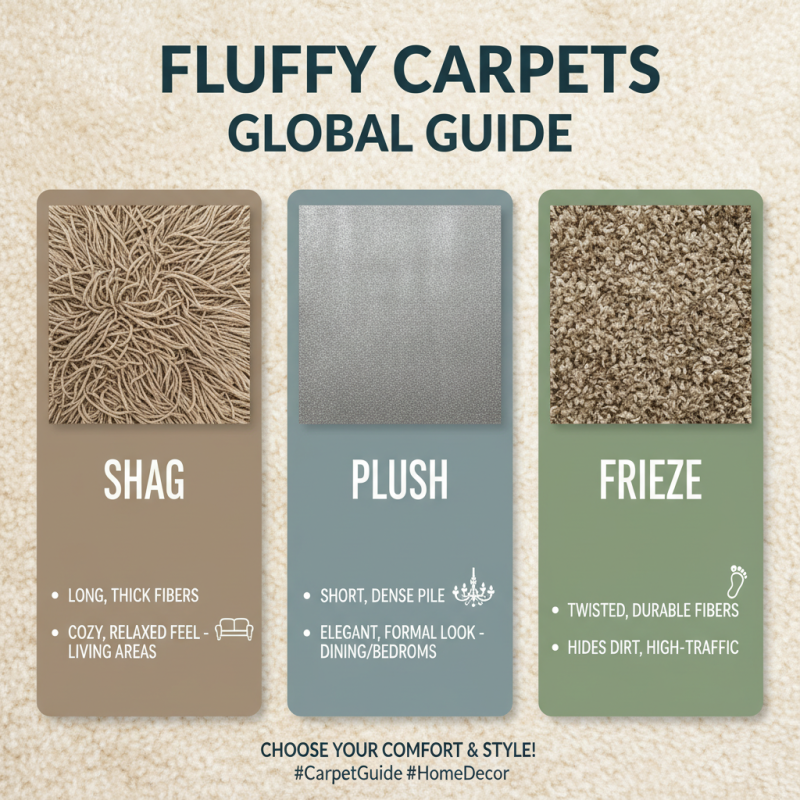
When selecting fluffy carpets, importers must understand the variety available globally. Common types include shag, plush, and frieze carpets. Each type has unique characteristics and uses. Shag carpets feature long, thick fibers that provide a cozy feel. They are ideal for creating a warm atmosphere in living spaces. Plush carpets, on the other hand, have a smoother texture and shorter fibers, making them suitable for formal settings.
Data from industry reports indicate the global carpet market was valued at $17 billion in 2022. It is expected to grow significantly over the next few years. Importers should pay attention to trends, such as the rising demand for eco-friendly materials. Statistics show that over 30% of consumers prioritize sustainable options. Being adaptable to market trends is crucial for success.
Tip: Consider the foot traffic the carpet will endure. For high-traffic areas, choose durable materials. It enhances longevity and maintains appearance. Another tip is to evaluate maintenance requirements. Some fluffy carpets require more cleaning than others. Choose a style that fits your customer’s lifestyle. Reflection on your selections is vital for long-term satisfaction.
Key Considerations for Quality and Durability in Fluffy Carpets
When choosing fluffy carpets, quality and durability should be your top priorities. Various factors influence these aspects. First, consider the material.
wool, for example, offers natural resilience and comfort. It can last for years but requires proper maintenance. Synthetic fibers can also be durable and are often stain-resistant, making them a practical choice for high-traffic areas.
The thickness of the carpet's pile matters too. A thicker pile usually feels plusher and adds to comfort. However, it may be less durable over time. It's essential to balance comfort and longevity based on your specific needs. When testing a carpet, notice how it feels underfoot. Does it provide the plush experience you seek?
Also, think about its potential for shedding. Some carpets shed initially, which could be frustrating.
Lastly, examine the carpet backing. A sturdy backing contributes significantly to durability. Look for carpets with a strong, well-constructed backing to enhance its life span. Research different types and their ratings on durability.
Reflecting on these points helps ensure you choose the right fluffy carpet.
Evaluating Price Factors and Cost-Effectiveness in Carpet Imports
When importing carpets, understanding price factors is crucial. Analyze the materials used in production. Natural fibers like wool often come at a higher price. In contrast, synthetic fibers can be more affordable. Evaluate the quality of dyes and the manufacturing techniques. These elements greatly affect cost-efficiency.
Shipping costs can also impact overall expenses. Consider the distance from the manufacturer and tax implications. Import tariffs may vary by country. Often overlooked, currency fluctuations can influence pricing. A small shift in exchange rates might affect your budget significantly.
Take time to research suppliers thoroughly. Look for reviews and testimonials, but don't solely rely on them. Compare different offers and seek clarification on unclear pricing. Reflect on negotiation strategies; sometimes, suppliers may offer discounts to serious buyers. Evaluate if the investment aligns with your long-term goals.
Sourcing Reliable Suppliers and Manufacturers for Fluffy Carpets
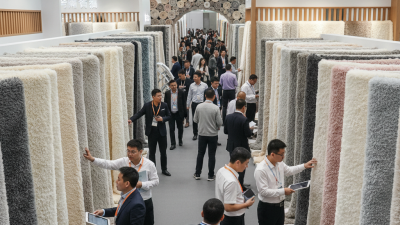
When sourcing fluffy carpets, finding reliable suppliers and manufacturers is crucial. Begin by identifying potential vendors through online platforms or industry trade shows. Look for companies with a proven track record. Prioritize those with good reviews and solid references. This not only establishes trust but also helps avoid scams.
Engage with suppliers directly. Ask about their manufacturing processes and quality control measures. A reputable supplier should be transparent about material sourcing and production standards. Request samples to assess the quality firsthand. Pay attention to the texture, color consistency, and overall craftsmanship. This step is vital; a soft, luxurious feel can make or break your carpet’s appeal.
Stay aware of potential issues. Communication barriers can arise, especially if dealing overseas. Time zone differences may lead to delays. Also, consider that the lowest price might not guarantee quality. It’s important to weigh cost against reliability and craftsmanship. Checking certifications and compliance with international standards can add an extra layer of assurance. A thorough approach ensures you make informed decisions that enhance your product offering.
Navigating Shipping and Import Regulations for Carpet Transactions
Navigating shipping and import regulations is crucial for carpet transactions. Each country has unique customs rules. Importers must understand these to avoid delays and additional costs. According to the International Trade Centre, around 40% of shipments face customs-related delays. Clear documentation can reduce these risks significantly.
Understand specific import duties and taxes on carpets. For instance, tariffs can vary from 0% to 30%, depending on the product's origin. The World Customs Organization highlights that miscalculating these fees can lead to unexpected expenses. Accurate classification of carpets is vital. Misclassification can result in penalties.
Compliance with safety standards is another key area. Different regions may require certifications for materials used in carpets. Checking with local authorities will help prevent compliance issues. Importers should also track changes in regulations. Adapting to these shifts can prevent legal hurdles during the shipping process.
Global Carpet Sales Volume by Material
This bar chart illustrates the sales volume of various carpet materials in thousands. The data points represent the relative popularity and demand for different types of carpets in the global market, assisting importers in making informed purchasing decisions.