What is Hallway Carpet and How to Choose the Right One?
Choosing the right hallway carpet can significantly impact the aesthetic of your home. Hallway carpets endure high foot traffic. They must be durable and visually appealing. According to the Carpet and Rug Institute, carpets can absorb sound, effectively reducing noise levels in busy homes. This is essential for hallways, where echoes can disrupt the peace.
Design and material choices matter greatly. Wool, nylon, and polyester are common materials, each with unique properties. Wool carpets offer natural resilience but can be more expensive. Nylon is durable, while polyester is budget-friendly but may wear faster. A report from Market Research Future indicates that the global carpet market is expected to grow. This means more options for consumers but also confusion.
When selecting a hallway carpet, consider your lifestyle. Do you have children or pets? Some carpets stain easily. Additionally, the style should complement your home’s interior. Hallway carpets are visible to guests, making appearance crucial. Not all choices will suit everyone, so it’s vital to explore and reflect on what works best for you.
What is Hallway Carpet: Definition and Purpose
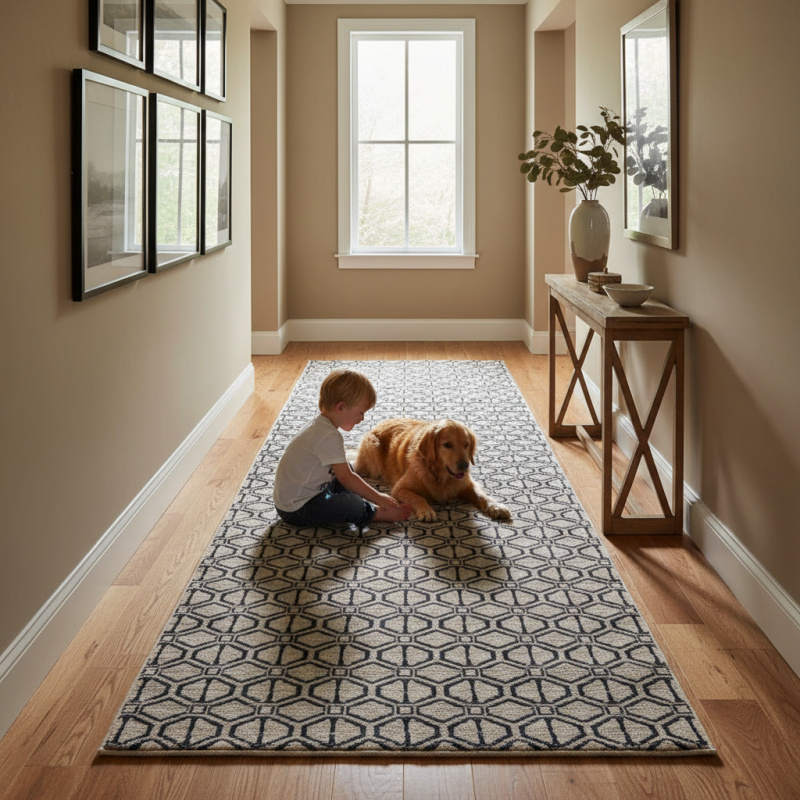
Hallway carpets serve as a practical solution for high-traffic areas in homes and businesses. They are designed to withstand frequent foot traffic and provide traction, reducing slips and falls. Typically, hallway carpets are available in various styles and materials. They can offer warmth and comfort but can also be a canvas for personal expression in your hallway decor.
Choosing the right hallway carpet is essential. Consider the fiber type—synthetic fibers are often more durable. The pattern can mask dirt and wear more effectively than solid colors. However, lighter hues might showcase dirt quickly. Think about maintenance, too. Some materials are easier to clean but might not have the same durability. Reflect on your expectations: will you sacrifice style for practicality or vice versa?
While it's tempting to choose a carpet solely based on appearance, think about the long-term implications. A beautiful carpet that wears out quickly can be frustrating. Consider the climate in your area. A carpet that excels in humid regions might not perform well in drier climates. It's vital to balance aesthetic appeal with functionality for a wise investment.
Types of Hallway Carpets: Materials and Styles
When selecting a hallway carpet, materials and styles are crucial. Wool is a popular choice for its durability and softness. It resists stains and wears well over time. On the other hand, synthetic fibers, like nylon, are also strong. They can be easier to clean and maintain. Each material offers unique benefits, so think carefully about your needs.
Consider the style of the carpet. A classic loop pile adds texture and visual interest. It’s great for high-traffic areas. For a softer feel, plush carpets can offer comfort beneath your feet. There are also patterns and colors to choose from. Bold patterns can brighten a narrow hallway. However, they can be overwhelming in smaller spaces.
Remember that color can influence the feel of a hallway. Lighter colors make spaces feel larger. Darker shades create a cozy atmosphere. It can be easy to choose based on looks alone. Make sure to think about functionality, too. A beautiful carpet that wears quickly may lead to regret. Take time to explore options and make thoughtful choices.
Factors to Consider When Choosing Hallway Carpets
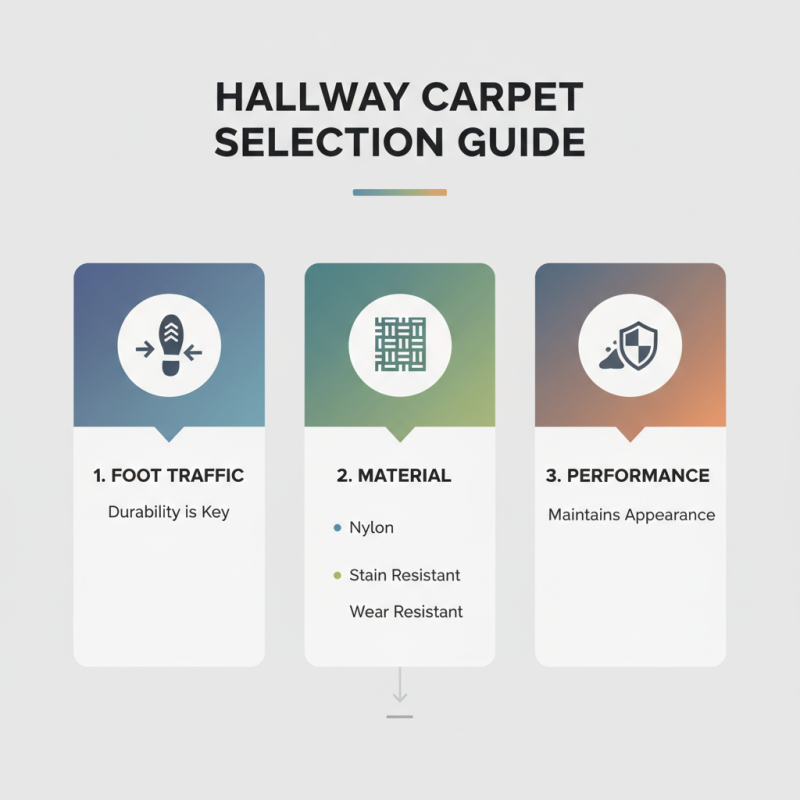
When selecting a hallway carpet, several factors come into play. Consider foot traffic. Hallways often see a lot of use, so durability is key. Look for carpets designed to withstand wear. Materials such as nylon or polypropylene often perform well in busy areas. These carpets resist stains and maintain their appearance over time.
Next, think about the style. The hallway is a transition space. It should complement adjacent rooms. Choose colors or patterns that reflect your home’s overall theme. A bold design can add character, while neutral tones offer versatility. Don't forget the texture—soft carpets bring comfort, while low-pile options are easier to clean.
Also, budget matters. Higher quality carpets may cost more upfront but save money in the long run. Measure your space carefully to determine how much carpet you need. This will help avoid overestimating or underestimating costs. Lastly, consider maintenance. Some carpets require more care than others, so choose one that fits your lifestyle. Reflection on these factors will lead to a better choice.
Tips for Measuring Your Hallway for Carpet Installation
Measuring your hallway for carpet installation is crucial for a perfect fit. Many homeowners overlook this step, leading to unnecessary waste and frustration. According to industry reports, approximately 30% of carpet installed ends up being trimmed or discarded due to inaccurate measurements. This can cost you both time and money, so be precise.
Begin by measuring the length and width of the hallway. Use a tape measure and record the dimensions carefully. Don't forget to check for irregularities like corners or alcoves. These details can affect the amount of carpet you need. In fact, hallways often require up to 10% more material compared to straight areas due to their complex layouts.
After measuring, consider the type of carpet that suits your hallway best. High-traffic areas benefit from durable options, while softer choices can add warmth. Also, think about the carpet pattern. A visually busy design might distract from the hallway’s length, making it feel cramped. Pay attention to how your choices will impact the overall space. Small hallway? A lighter color may help it feel bigger. But don’t forget, personal style matters too. Choose what feels right for your home, even if it means stepping outside the norm.
Hallway Carpet Options and Installation Considerations
This chart illustrates the durability ratings of different types of hallway carpets on a scale of 1 to 10. When selecting a carpet for your hallway, consider options like Nylon and Wool for their superior durability, as shown here.
Maintaining and Cleaning Hallway Carpets: Best Practices
Cleaning and maintaining hallway carpets can often feel overwhelming. High foot traffic leads to dirt and wear. According to a study by the Carpet and Rug Institute, carpets can trap up to 80% of common household dust. This makes regular cleaning essential.
Vacuuming is crucial. Aim for at least twice a week. This simple practice greatly reduces allergens and dirt buildup. Use a vacuum with a HEPA filter for better results. Spot clean spills immediately to avoid stains. Delaying this can lead to permanent discoloration.
Consider a deep clean periodically. Professional cleaning every six to twelve months is recommended. However, ensure the technicians are certified. Sometimes, self-cleaning methods don’t suffice. Floors may look clean but harbor hidden dirt.
When choosing cleaning products, organic options can be effective. They often lack harsh chemicals, making them safer. Still, always patch test new products to avoid damage. Reflect on your cleaning habits. Are you doing enough? Regular upkeep can extend the life of hallway carpets significantly.