What to Know About Hotel Carpet: Types, Maintenance, and Benefits
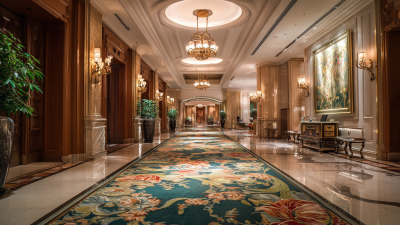
Hotel carpet plays a pivotal role in the overall ambiance and guest experience within the hospitality industry. According to a report from the American Hotel and Lodging Educational Institute, over 70% of hotel guests consider cleanliness and aesthetics as key factors influencing their satisfaction. As such, the choice of carpet in hotels is not just a matter of decor but essential to upholding the standards that drive guest loyalty. With various types of hotel carpets available—from plush to looped designs—each offers distinct benefits, catering to specific needs in terms of durability and maintenance.
Furthermore, proper maintenance of hotel carpet is crucial for longevity and hygiene. The International Facility Management Association emphasizes that regular cleaning and timely upkeep can extend the life of hotel carpets by up to 30%. Additionally, advancements in carpet technology have led to materials that are not only environmentally friendly but also easier to maintain, reducing the overall labor costs associated with carpet care. As hotels strive to create inviting and comfortable environments, understanding the intricacies of hotel carpet types, maintenance protocols, and inherent benefits becomes indispensable for ensuring satisfied guests and sustainable operations.
Understanding Different Types of Hotel Carpets: Materials and Styles
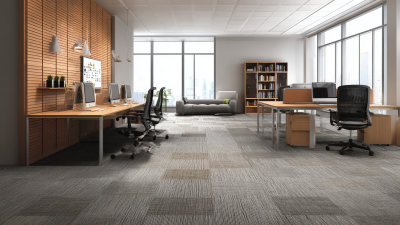
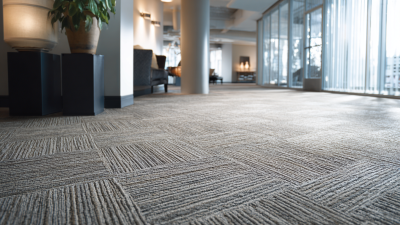
When selecting carpets for hotels, understanding the various types of materials and styles available is crucial for enhancing both aesthetic appeal and functionality. Common materials include nylon, polyester, and wool, each offering distinct advantages. Nylon is known for its durability and resistance to stains, making it ideal for high-foot-traffic areas. Polyester, while softer and more affordable, tends to show wear over time. Wool, on the other hand, provides a luxurious feel but requires more maintenance.
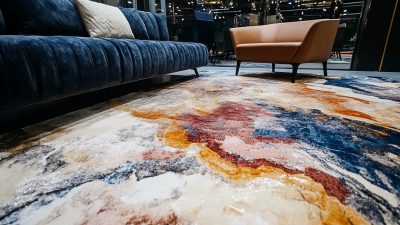
In terms of styles, hospitality designers often lean towards patterns that can hide dirt and wear. For instance, multicolored or textured carpets can help mask stains and maintain a clean appearance longer, thereby reducing upkeep costs. According to a report by the American Carpet and Rug Institute, carpets with intricate patterns can decrease the frequency of cleaning by up to 30%, ultimately extending the carpet's lifespan and preserving its initial beauty.
Tips: When planning carpet installations, consider incorporating commercial-grade carpets designed specifically for heavy use. These are engineered for longevity and often come with warranties that cover significant wear and tear. Additionally, regular maintenance, such as vacuuming and professional cleaning, can enhance the lifespan of hotel carpets, ensuring they remain inviting for guests while providing a solid return on investment.
What to Know About Hotel Carpet: Types, Maintenance, and Benefits
| Carpet Type |
Material |
Style |
Benefits |
Maintenance |
| Plush Carpet |
Nylon |
Textured |
Soft feel, noise reduction |
Regular vacuuming, steam cleaning as needed |
| Berber Carpet |
Wool or Polypropylene |
Loop Pile |
Durable, stain-resistant |
Frequent vacuuming, occasional deep cleaning |
| Commercial Carpet |
Polyester |
Cut Pile |
High foot traffic performance |
Regular cleaning and spot treatment |
| Cut/Loop Carpet |
Nylon and Wool Blend |
Patterned |
Aesthetic appeal, hides dirt |
Routine vacuuming, periodic deep cleaning |
| Luxury Vinyl Tile (LVT) |
Vinyl |
Tile Style |
Waterproof, easy to clean |
Mopping and sweeping regularly |
Importance of Carpet Maintenance in Hotels: Best Practices and Tips
Carpet maintenance in hotels is a crucial aspect that significantly impacts guest experience and the overall aesthetic of the establishment. According to a report by the International Hotel Association, nearly 70% of hotel guests say cleanliness is the primary factor influencing their satisfaction, which includes the condition of carpets. Regular professional cleaning is essential to maintain the appearance and longevity of hotel carpets. It is recommended that carpets be cleaned at least twice a year, depending on the foot traffic, to effectively remove dirt, allergens, and stains, thereby enhancing the guests' experience.
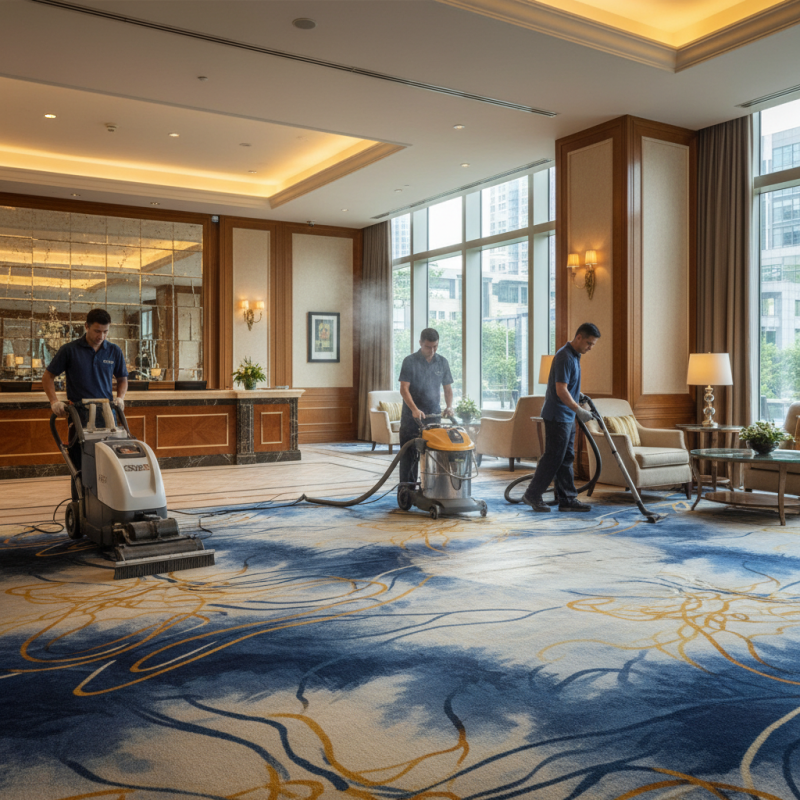
Best practices for carpet maintenance in hotels also include implementing daily cleaning routines such as vacuuming high-traffic areas. The Carpet and Rug Institute highlights that frequent vacuuming can remove 80% of dirt and debris from carpets, thereby preventing it from becoming embedded in the fibers. Furthermore, establishing a preventative maintenance program can extend the lifespan of carpeted areas, which are often costly to replace. Attention should also be given to using appropriate cleaning solutions and methods that adhere to carpet manufacturer guidelines to avoid damage and maintain warranties. By prioritizing these maintenance strategies, hotels can not only enhance their aesthetic appeal but also improve guest satisfaction and ultimately drive repeat business.
The Benefits of Carpet in Hotels: Aesthetic, Comfort, and Acoustic Value
The use of carpet in hotels offers multiple benefits that enhance both the aesthetic appeal and functionality of the space. According to a report by the Global Hospitality Carpet Association, carpets can significantly contribute to the overall guest experience, improving perceptions of luxury and comfort. Studies show that well-chosen carpets can elevate a hotel's design, providing a cohesive look that aligns with the brand identity while creating a warm and inviting atmosphere. Many guests equate beautifully designed carpets with a sense of attention to detail and higher quality service, which is crucial in a competitive industry.
In addition to aesthetics, hotel carpets play a crucial role in acoustic management. Research indicates that carpets can reduce noise levels by up to 30% in public areas, which is particularly valuable in bustling environments like lobbies and conference rooms. This sound absorption capability not only enhances guest comfort by minimizing disturbances but also aids in the overall ambiance of the hotel.
Furthermore, with sustainability becoming a priority in the hospitality sector, many modern carpets are designed with eco-friendly materials, providing a responsible choice that appeals to environmentally-conscious travelers while still delivering on performance and style.
Eco-Friendly Carpeting Options for Hotels: Sustainable Choices Explained
In the hospitality industry, the demand for eco-friendly carpeting has surged as hotels seek sustainable options that align with today's environmentally conscious travelers. According to a report by the Global Sustainable Tourism Council, up to 70% of travelers prefer eco-friendly establishments, prompting hotels to consider carpeting solutions that minimize environmental impact. Options such as recycled nylon and organic wool not only enhance aesthetics but also significantly reduce waste and carbon emissions associated with traditional carpet production.
Furthermore, the benefits of sustainable carpeting extend beyond environmental impact; they can improve indoor air quality, minimizing the presence of harmful VOCs (volatile organic compounds). The U.S. Environmental Protection Agency estimates that poor indoor air quality costs the hospitality sector millions in potential revenue loss due to guest dissatisfaction. By selecting eco-friendly carpets with low or zero VOC emissions, hotels can create a healthier environment, leading to improved guest experiences and higher occupancy rates. The initial investment in sustainable carpeting may be higher, but the long-term savings on maintenance and health benefits position eco-friendly carpets as a wise choice for modern hotels.
Eco-Friendly Carpeting Options for Hotels: Sustainable Choices Explained
Challenges of Hotel Carpet: Wear and Tear, Cleaning, and Replacement Issues
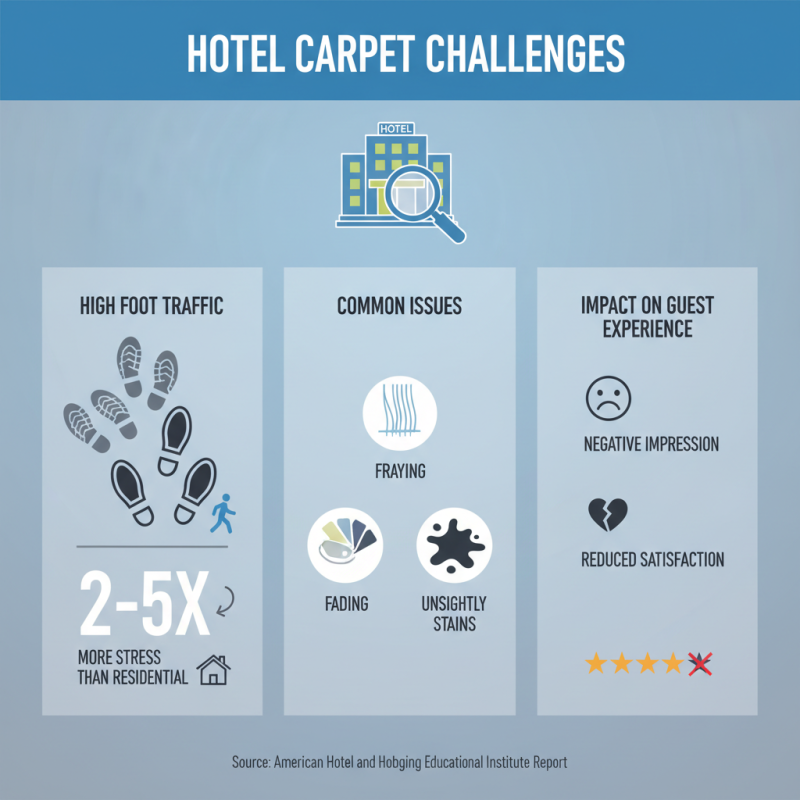
Hotels face unique challenges when it comes to carpet maintenance, primarily due to high foot traffic, which can lead to significant wear and tear. According to a report by the American Hotel and Lodging Educational Institute, carpets in hotel lobbies and corridors are subjected to 2-5 times more stress compared to residential carpets. This intensive use can result in fraying, fading, and unsightly stains, which not only detracts from the hotel's aesthetic appeal but can also negatively impact guest experiences.
Routine cleaning is essential for maintaining the quality and longevity of hotel carpets. The Institute of Inspection, Cleaning and Restoration Certification (IICRC) suggests that commercial carpets should be deep cleaned at least once every 12 to 18 months to effectively remove embedded dirt and allergens. However, daily maintenance such as vacuuming is crucial; hotels should use high-efficiency particulate air (HEPA) vacuums to effectively capture dust and allergens.
**Tips:** To prolong the life of hotel carpets, consider implementing a regular maintenance schedule that includes both daily vacuuming and periodic deep cleaning. Additionally, using entrance mats can significantly reduce the amount of dirt tracked onto carpets, minimizing wear over time. For hotels in areas with harsh climates, investing in stain-resistant carpet technology can also help in mitigating cleaning and replacement issues, ultimately benefiting the hotel's bottom line.