What is an Islamic Prayer Rug and How to Choose One?
An Islamic Prayer Rug is an essential item for practicing Muslims. It serves as a personal and sacred space for prayer. These rugs come in various designs, colors, and sizes, reflecting the rich cultural heritage of the Islamic world. Choosing the right Islamic Prayer Rug is more than just aesthetics; it involves considering comfort, material, and size that aligns with one’s personal prayer rituals.
When selecting an Islamic Prayer Rug, you may feel overwhelmed by the options available. A quality rug can greatly enhance your prayer experience, providing both comfort and reverence. Look for rugs made from high-quality materials that can withstand daily use. Pay attention to the intricate patterns, as they often hold significant meaning. However, it's important to reflect on your needs and preferences—what brings you closer to your faith during these sacred moments?
Additionally, understanding the cultural significance of Islamic Prayer Rugs can deepen your appreciation. Each rug carries its own story and symbolism. By choosing the right rug, you not only create a physical space for prayer but also connect with a wider community of believers. Ultimately, finding the perfect Islamic Prayer Rug is a personal journey that involves thoughtful consideration and mindfulness in your religious practice.
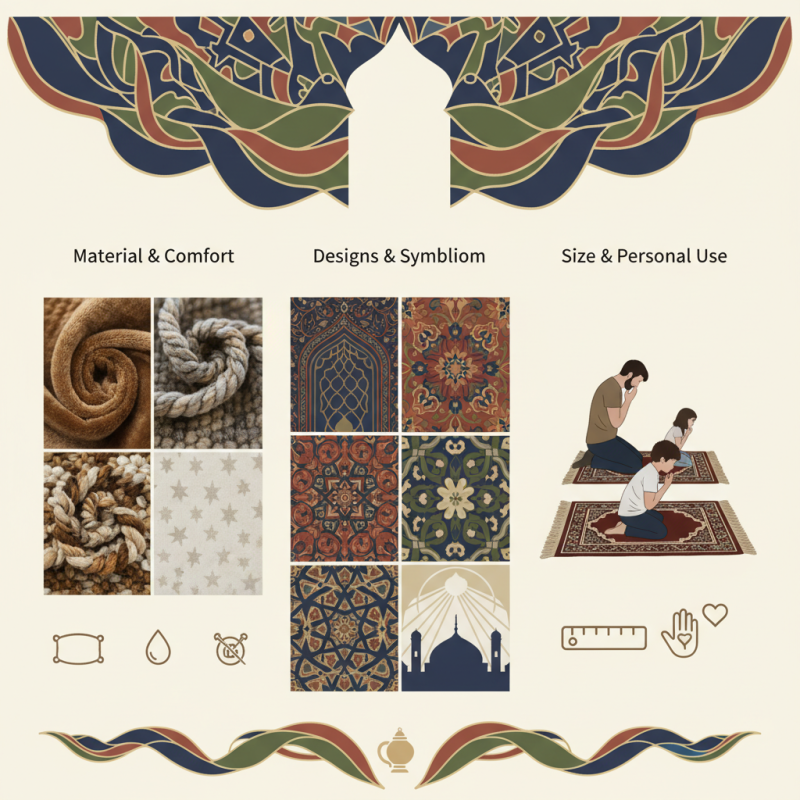
Understanding the Basics of Islamic Prayer Rugs: An Overview
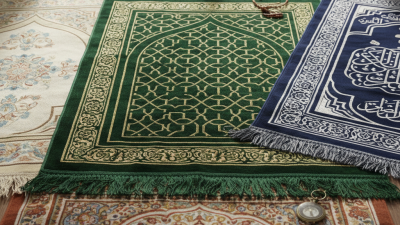
Islamic prayer rugs, or sajjada, hold significant importance in the practice of daily prayers for Muslims. These rugs are designed to provide a clean and comfortable space for worship, symbolizing a personal connection to faith. The material and design can vary widely. Some rugs feature intricate patterns, while others showcase simple, minimalistic designs. The choice of a rug often reflects personal style and devotion.
When selecting a prayer rug, consider the size and portability. A larger rug may offer more comfort but can be less convenient for travel. Look for materials that are durable and easy to clean. Traditional rugs are often woven from wool or cotton, providing both warmth and softness. A rug should also align with your spiritual preferences, whether it has religious symbols or vibrant colors that inspire you.
People sometimes overlook how important a prayer rug can be for their spiritual practice. It’s not just a mat; it’s a personal sanctuary that enhances focus during prayers. The right choice can make a difference in one's worship experience. Reflecting on the role of the rug invites deeper understanding and appreciation of this essential Islamic tool. Each rug carries potential stories and emotions, urging users to connect more profoundly with their faith.
What is an Islamic Prayer Rug and How to Choose One?
| Feature |
Description |
| Material |
Wool, cotton, silk, or synthetic blends used for softness and durability. |
| Size |
Common sizes range from 2 x 3 feet to 3 x 5 feet, depending on individual preference. |
| Design |
May include intricate patterns, geometric shapes, and religious motifs. |
| Color |
Available in various colors; traditionally, green, blue, and with prayer direction indicators. |
| Care Instructions |
Recommendations for cleaning vary; usually gentle hand wash or professional dry cleaning. |
| Portability |
Lightweight and often come with carrying cases for ease of transport. |
| Price Range |
Can range from affordable options under $50 to luxury rugs costing over $500. |
Historical Significance and Cultural Aspects of Islamic Prayer Rugs
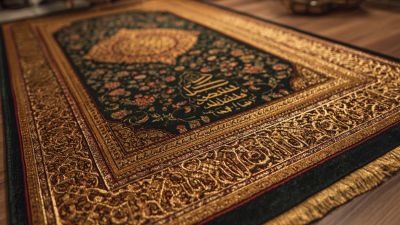
Islamic prayer rugs have a rich historical and cultural significance. Originating from the early Islamic period, these rugs reflect the artistry and devotion of diverse cultures. The intricate designs often symbolize gardens or paradise, embodying spiritual concepts. Studies indicate that prayer rugs have been used for centuries and serve as a focal point for worship, making them vital in Islamic tradition.
Choosing the right prayer rug involves understanding both aesthetics and functionality. Aesthetic details vary from geometric patterns to floral motifs. Quality materials are crucial; wool, silk, or cotton can impact durability and comfort. Reports show that prayer rugs can range from modestly priced to high-end collectibles. Personal connection to the rug's design enhances the spiritual experience. Observing how the rug feels during prayer can lead to greater mindfulness in each session.
The impact of prayer rugs extends beyond individual use. They often serve as cultural artifacts in Islamic communities worldwide. Recent findings reveal that prayer rugs foster a sense of belonging and identity. Many rugs are displayed in homes, showcasing craftsmanship and heritage. The conversation about their significance continues to evolve, reflecting changing cultural dynamics within the Islamic world.
Key Materials and Craftsmanship: What Makes a Quality Prayer Rug?
Choosing a quality Islamic prayer rug involves an understanding of its materials and craftsmanship. Quality rugs typically use natural fibers like wool or cotton. Wool provides warmth and soft texture. Cotton, on the other hand, offers durability and ease of care. Look for rugs that boast vibrant colors and intricate designs, as these can enhance your prayer experience.
The craftsmanship behind each prayer rug is equally crucial. Pay attention to the knot density in woven rugs; higher density often indicates better quality. Traditional weaving techniques ensure the rug can withstand daily use. Check for a well-finished edge, as this prevents fraying over time. Some rugs may have imperfections, adding to their unique character. These details not only reflect the artisan’s skill but also the rug's authenticity.
Consider the size of the rug in relation to your prayer space. A rug that fits well invites comfort. A too large or too small rug can disrupt focus during prayers. You may feel drawn to certain designs or colors, but make sure they resonate with your personal spiritual journey. This makes your prayer rug not just an accessory, but a meaningful part of your daily devotion.
Choosing the Right Size and Design for Your Prayer Rug Needs
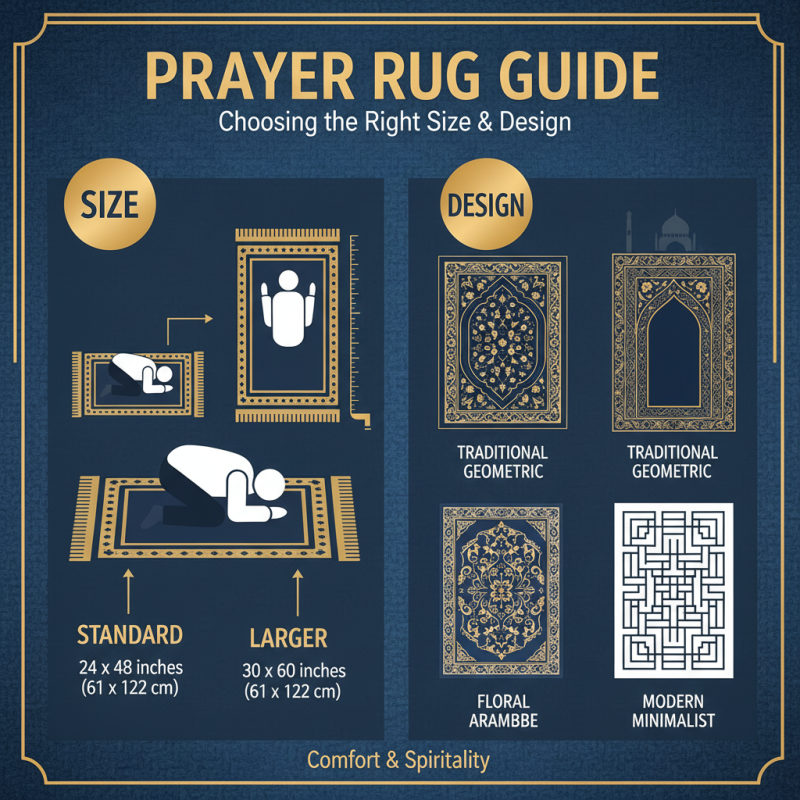
When selecting an Islamic prayer rug, size and design play key roles in your choice. A prayer rug should comfortably accommodate your body dimensions during prayer. Common sizes vary; about 24 inches by 48 inches is standard. However, larger rugs, around 30 inches by 60 inches, cater to those who need more space.
Design is equally essential. Color, pattern, and texture affect your experience. Opt for soothing colors that enhance focus. Intricate designs can be beautiful, but they might distract during prayer. Consider a simple, elegant pattern to avoid overstimulation.
**Tips:**
Choose a rug that can be easily rolled and stored. This makes it handy for travel or daily use. Durability is crucial too; look for materials that withstand wear. Always check the rug's fabric; natural fibers often feel more pleasant against the skin.
Reflecting on your choices is important. Every rug tells a story; choose one that resonates with your personal journey. The right prayer rug not only serves a purpose, but it also enhances your spiritual experience.
Maintenance and Care Tips for Longevity of Prayer Rugs
Taking care of an Islamic prayer rug is essential for its longevity. Regular maintenance can enhance its beauty and functionality. Start by shaking the rug outdoors to remove loose dirt and dust. This simple act can revive the rug's vibrant colors. Avoid using cleaning products with harsh chemicals. Instead, opt for a gentle soap and water solution to spot clean any stains. Remember, frequent vacuuming can also help maintain the rug’s condition.
Storing the rug properly is just as important. When not in use, roll the rug loosely instead of folding it. This minimizes creases and preserves its shape. Try to keep it in a cool, dry place. Humidity can damage the fibers and cause mold. Sunlight can fade the colors over time. Therefore, avoid direct sunlight exposure when storing the rug.
Regular inspections are beneficial. Look for signs of wear or damage. Small repairs are easier to handle than larger ones. If you notice frayed edges or loose threads, address these issues promptly. Keeping your rug clean and well-maintained will ensure it remains a cherished part of your spiritual practice for years to come.