Top Quality Rug Wool from China for Global Buyers?
In the world of textiles, "Rug Wool" stands out for its durability and richness. Experts highlight its importance. Michael Chen, a renowned specialist in textile sourcing, once stated, “High-quality Rug Wool from China offers unmatched softness and resilience.” This statement underlines the rising preference for Chinese Rug Wool in global markets.
Many buyers seek quality and reliability when choosing Rug Wool. China's diverse climate and rich sheep breeds contribute to premium wool production. Each strand of this wool tells a story of craftsmanship and tradition. However, the market also faces challenges. Quality control can vary, leading to inconsistencies in the final product. This is a point that buyers must navigate carefully.
As global demand for luxury textiles increases, the importance of sourcing high-quality Rug Wool from China cannot be overstated. Yet, buyers must remain vigilant. Understanding the supply chain and production practices is essential for ensuring the best choices. The journey to finding top-quality Rug Wool involves both excitement and challenges.
Top Quality Rug Wool: An Overview of Global Demand and Supply
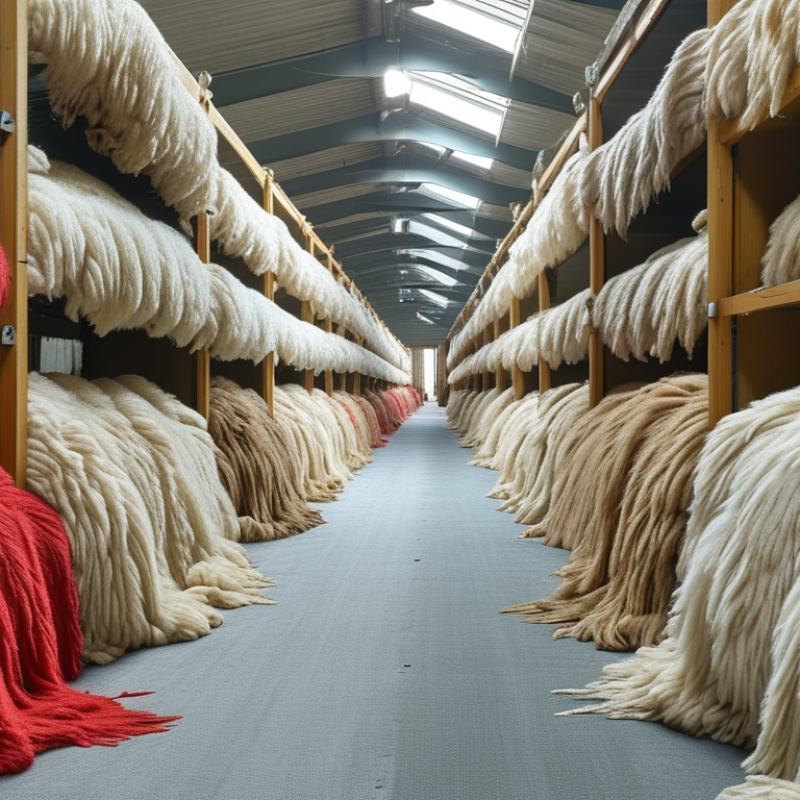
The global demand for high-quality rug wool has been steadily increasing. According to a recent report by the International Wool Textile Organisation, global wool consumption grew by 2.5% in 2022. This trend is driven by the rising popularity of natural fibers among consumers.
China plays a significant role in this market. The country has become a leading supplier of rug wool, appealing to buyers worldwide due to its superior quality. Various studies highlight that Chinese wool is valued for its durability and softness. However, many experts note that quality control varies among producers. There is a need for stringent quality assessments to ensure global buyer satisfaction.
In the past, fluctuations in demand often left several suppliers struggling. Many had to rethink their approach. Some suppliers are not meeting international standards, which complicates their market position. It’s crucial for buyers to be cautious. Understanding the differences in wool quality and processing is essential. A lack of transparency can hinder trust between buyers and suppliers.
Characteristics of Chinese Wool: Fiber Quality and Durability Standards
Chinese wool has gained attention for its fiber quality and durability. Industry reports indicate that the average micron count for high-quality Chinese wool ranges between 24 to 30 microns. This range signifies a balance between softness and strength. In comparison, Australian Merino wools are finer but may not offer the same durability for rug production.
The durability of Chinese wool is noteworthy. A study by the International Wool Textile Organisation shows that Chinese wool, when processed correctly, can endure high traffic, making it suitable for rugs. Wool from China can withstand moisture and maintain its shape, with a lifespan extending over a decade when properly maintained. However, some concerns persist regarding consistency in fiber quality across different batches.
While the overall quality of Chinese wool is improving, variability remains a challenge. Some buyers report receiving batches with inconsistent fiber length and elasticity. This aspect requires careful inspection to ensure the final product meets desired standards. Furthermore, the processing techniques can vary widely, impacting the overall quality. Continued research and strict quality controls are essential for addressing these issues.
Economic Impact of Rug Wool Trade on China’s Textile Industry in 2023
The rug wool trade plays a vital role in China's textile industry, impacting economies on multiple levels. In 2023, China's wool exports contributed to an estimated $1.5 billion in revenue. The high demand for quality rug wool from international markets drives production in remote regions. This sector supports thousands of jobs, from shepherds to artisans. Wool prices fluctuate significantly, given global market trends.
However, the trade also faces challenges. Environmental concerns regarding sustainable practices are growing. Reports show that around 30% of producers struggle with waste management in wool processing. This issue raises questions about the long-term viability of the industry. Despite advancements in production techniques, the sector must adapt to changing consumer expectations focused on sustainability.
Additionally, trade tensions and tariffs can disrupt supply chains. Exporters find it difficult to maintain pricing stability during economic fluctuations. Many companies rely heavily on foreign partnerships. As global buyers seek top-quality wool, China’s industry must prioritize not only quantity but also quality and sustainability. The future of rug wool in China hinges on addressing these complex issues while remaining competitive in the global market.
Sustainability Practices in Chinese Wool Production: Certification and Standards
Sustainability in wool production from China has gained global attention. Chinese wool farms are increasingly adopting eco-friendly practices. Many producers focus on reducing their environmental impact while maintaining high-quality wool. Certification programs play a crucial role in this process. These programs ensure that producers meet stringent sustainability standards.
Tips: Look for wool with recognized certifications. This can indicate responsible farming practices. Checking the origin of the wool can also provide insights into its environmental impact.
Despite improvements, challenges remain. Some farms struggle with transparency. Ensuring that wool is sourced from sustainable farms is vital. Buyers must be informed about the production processes. Engaging directly with producers can deepen understanding. Reliable sources of information can help buyers make better decisions.
As the market for sustainable wool grows, awareness is key. Buyers should consider the implications of their purchases. With thoughtful choices, they can support sustainable practices in the wool industry.
Top Quality Rug Wool from China for Global Buyers? - Sustainability Practices in Chinese Wool Production: Certification and Standards
| Wool Type |
Country of Origin |
Sustainability Certification |
Quality Grade |
Typical Use |
| Merino |
China |
Oeko-Tex Standard 100 |
A Grade |
Rugs, Blankets |
| Cashmere |
China |
Global Organic Textile Standard (GOTS) |
A Grade |
Luxury Rugs |
| Lambswool |
China |
Redeemable Certification |
B Grade |
Carpets, Upholstery |
| Alpaca |
China |
Fair Trade Certified |
A Grade |
Fashion Rugs |
| Sheep's Wool |
China |
ISO 14001 |
C Grade |
Rugs, Industrial Use |
Comparative Analysis of Chinese Wool vs. Other Global Wool Sources
Chinese wool has become a notable player in the global market. Its unique qualities make it an attractive choice for buyers worldwide. The soft texture and vibrant colors often draw attention. However, some challenges exist in this landscape. Sustainability practices can vary significantly, raising questions about sourcing methods.
Comparing Chinese wool to varieties from other countries reveals striking differences. For instance, some Western options boast superior durability. Yet, these may not match the affordability of their Chinese counterparts. Buyers must weigh these factors carefully when making decisions. Quality should not be the sole concern; ethical sourcing matters too.
Consumer preferences are evolving. Many are prioritizing sustainable options. This shift prompts producers to reassess their practices. Chinese wool suppliers are trying to adapt, but progress can be slow. Transparency in sourcing is essential. More information helps buyers feel confident in their choices. With time, the landscape may shift further, impacting global wool trade dynamics.