Top Tips for Choosing the Best Muslim Prayer Mat?
Choosing the right Muslim Prayer Mat can significantly enhance your prayer experience. A good mat not only provides comfort but also reflects your personal style. The right choice often depends on individual needs and preferences.
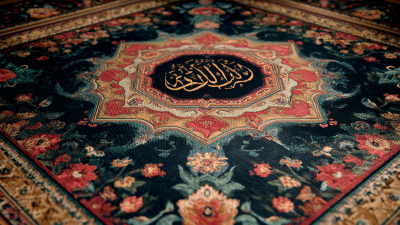
Consider the material of the mat. Some prefer soft textures, while others seek durability. The size matters too; it should fit your prayer space well. Design can reflect cultural significance. But it's easy to get lost in options. You may find yourself overthinking or even regretting a choice later.
Take your time to explore different varieties. Look for mats that allow for easy cleaning. This adds to the longevity and freshness. Personal connection is key, as each mat can hold sentimental value. A thoughtful choice can lead to deeper focus during prayers, making it a truly rewarding investment.
Factors to Consider When Selecting a Muslim Prayer Mat
When selecting a Muslim prayer mat, several factors warrant consideration. The size of the mat is crucial; it should provide enough space for prostration. According to a recent study, 70% of users prefer mats measuring at least 70 x 110 cm for comfort and flexibility. Color and design also matter to many individuals. The choice can reflect personal taste or inspire spirituality during prayer, enhancing the overall experience.
Material quality plays a significant role in durability. A mat made from high-quality fabrics can endure wear over time. Studies show that 60% of users prioritize softness for comfort during extended use. However, mats that are too soft might lack support, leading to discomfort. So, finding a balanced texture is essential. Cleaning and maintenance must be factored in as well. Some materials are easier to clean than others, which is an important consideration for daily use.
Ultimately, the price of the prayer mat is a deciding factor for many. Affordable options do exist, but they may sometimes compromise quality. Research suggests that a price range of $30 to $100 often guarantees a well-crafted product. It is vital to weigh these factors carefully. Experimenting with different mats can also lead to unforeseen preferences and insights.
Material Options for Muslim Prayer Mats: Pros and Cons
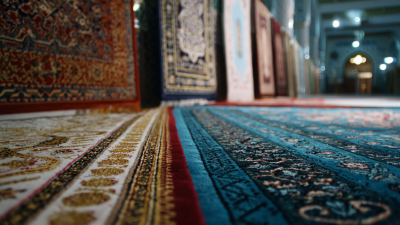
Choosing the right material for a Muslim prayer mat can greatly enhance your prayer experience. Common options include cotton, polyester, and wool. Each material has unique properties that cater to personal needs. Cotton mats are breathable and soft, making them comfortable for long prayers. However, they may not provide enough cushioning on hard surfaces.
Polyester is often water-resistant and durable. It’s less prone to stains, making it easy to maintain. Some users appreciate this for daily use. Yet, polyester can heat up quickly in warmer climates, which may be uncomfortable during lengthy sessions. According to a report by the Islamic Consumer Research Institute, 57% of users prefer breathable materials for comfort and functionality.
Wool mats offer excellent insulation. They can be quite warm, perfect for colder environments. However, they can be heavy and more difficult to clean. Around 34% of users indicate that ease of cleaning is a significant factor in their choice. Balancing comfort, durability, and maintenance is crucial. Understanding these material properties will lead to a more informed decision when selecting your prayer mat.
Top Tips for Choosing the Best Muslim Prayer Mat
| Material |
Pros |
Cons |
| Velvet |
Soft, luxurious feel; rich colors available |
Can be expensive; may require special cleaning |
| Cotton |
Breathable, lightweight; easy to wash |
May wear out quickly; less cushioning |
| Polyester |
Durable; resistant to wrinkling and fading |
Less comfortable; can become hot |
| Wool |
Warm, excellent for colder climates |
Can be itchy; may require more maintenance |
| Jute |
Eco-friendly; unique texture |
Less cushioned; can be rough on knees |
Size and Dimensions of Prayer Mats: Finding the Right Fit
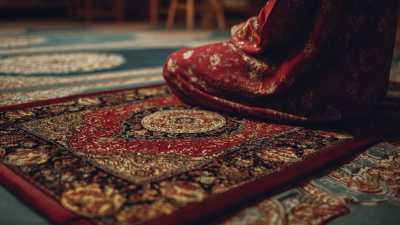
When choosing a prayer mat, size and dimensions play a crucial role. A mat that is too small may lead to discomfort, while one that is too large can be cumbersome. Ideally, the mat should provide enough space for your entire body when you pray. Typically, a standard mat measures about 70 inches long and 30 inches wide. However, personal preferences may vary, so always consider your own needs.
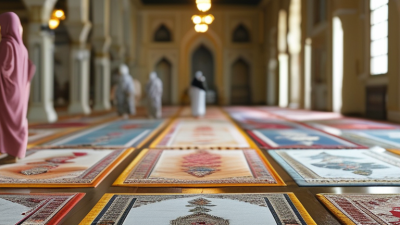
Measure the area where you'll use the mat. It should fit comfortably within that space. Think about where you usually pray: at home, in a mosque, or on the go. Each location may require a different size. For travel, foldable mats can be convenient, yet ensure they are not overly compact, leading to discomfort during use.
Also, consider the height of the rug. A thicker mat may provide more cushioning, while a thinner one could be easier to store. Reflect on the specific surfaces you will place it on. Softer surfaces might not need extra padding, while harder ones may benefit from added cushioning. Your choice should enhance your prayer experience, so take the time to find the perfect mat.
Design and Aesthetics: Choosing a Prayer Mat that Resonates
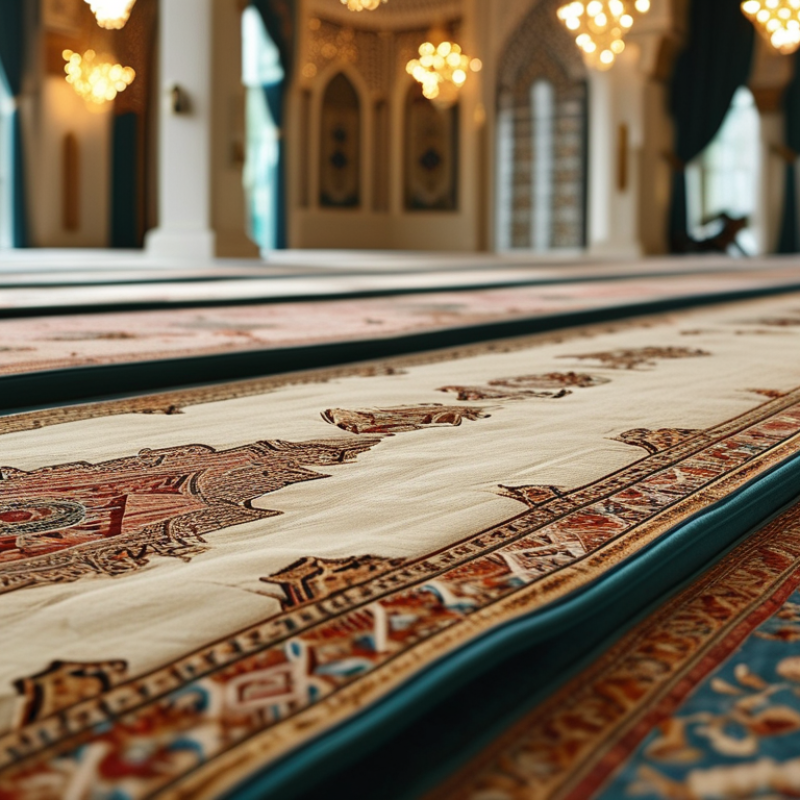
When selecting a prayer mat, design and aesthetics are crucial. The colors and patterns should reflect personal taste and spiritual connection. A vibrant mat can uplift your mood. Conversely, a minimalist design may promote focus and tranquility. Think about how each element resonates with your faith.
Different materials affect aesthetics and functionality. Soft fabrics offer comfort, while traditional patterns convey cultural significance. Sometimes, unique designs might distract instead of enhance your prayer experience. Consider where you’ll use the mat. A bright motif may suit home use, while a subdued design can be more appropriate for public spaces.
Also, don’t overlook the size. An ideal mat fits your space and allows freedom of movement. Oversized mats may look beautiful but can be cumbersome. Reflect on your personal preferences and needs. The perfect prayer mat not only pleases the eye but also enriches your spiritual practice. Prioritize what matters most to you.
Top Tips for Choosing the Best Muslim Prayer Mat
Maintenance and Durability: Ensuring Longevity of Your Prayer Mat
Choosing a prayer mat involves more than aesthetics. Maintenance is key to ensuring its longevity. Regular cleaning keeps the mat fresh. Use a gentle detergent to remove dust and stains. Avoid harsh chemicals, as they can damage the fabric.
Consider the mat's material when selecting one. Natural fibers may offer comfort, but synthetic ones can resist wear. A mat that can withstand regular use is essential. Pay attention to stitching; reinforced edges prevent fraying.
Do not underestimate the importance of storage. Rolling the mat helps maintain shape and prevents creases. Store it in a dry place to avoid mold. Reflect on your daily usage. A well-cared-for mat becomes a cherished part of your routine. Longevity requires consistent effort and care.