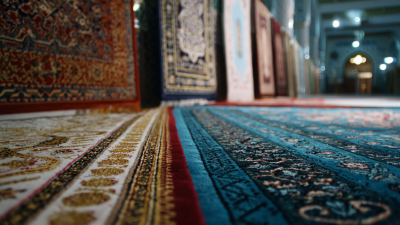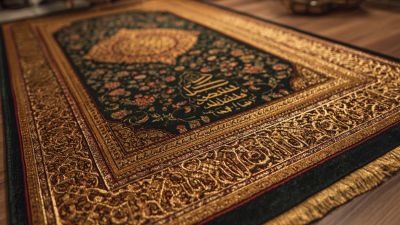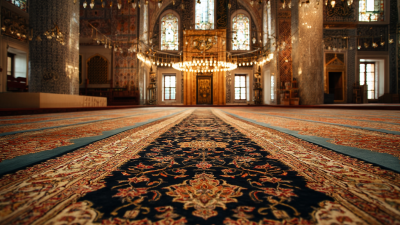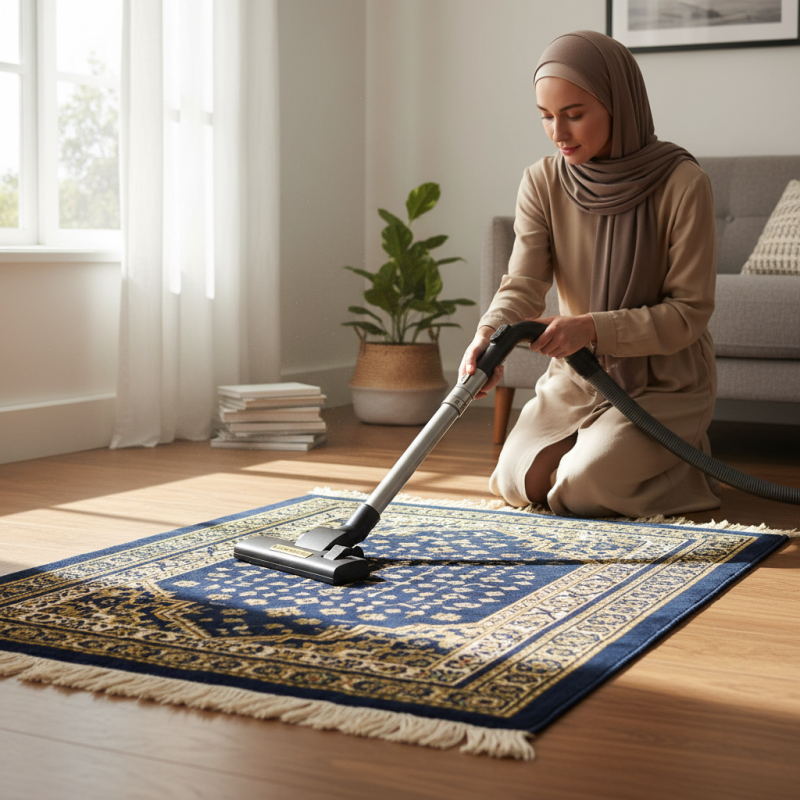
Choosing the perfect Islamic Prayer Rug is essential for every Muslim. It serves as a sacred space for prayer, embodying a deep connection to faith. The right rug can enhance your experience, creating a peaceful atmosphere for worship.
Consider the material and design of the Islamic Prayer Rug. Different fabrics offer varying textures and comfort levels. A soft, durable fabric is ideal for frequent use. Patterns and colors also matter. Opt for designs that resonate with your personal style yet reflect your spirituality.
Moreover, think about size. The rug should fit comfortably in your prayer area. A rug that is too small may not feel adequate, while one that is too large can overwhelm the space. It's important to reflect on these details, as they contribute to a fulfilling prayer experience. Each choice can amplify your devotion and mindfulness during prayer.
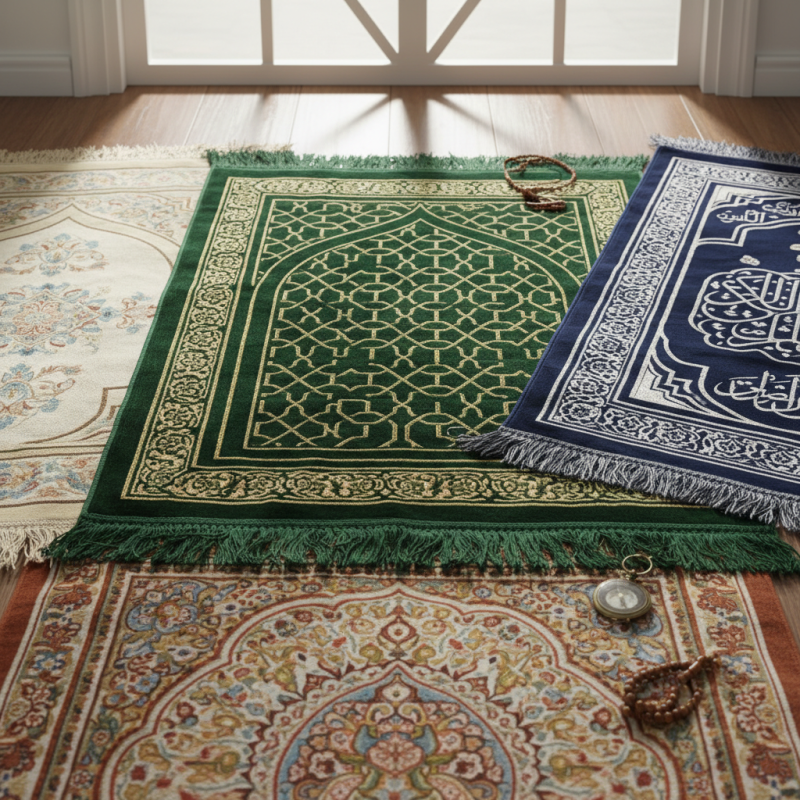
Islamic prayer rugs hold a significant place in the lives of many Muslims. They provide a sacred space for prayer and reflection. These rugs are not just decorative items; they serve as a personal sanctuary. Choosing the right prayer rug can enhance your spiritual experience.
When selecting a prayer rug, consider its material and design. Natural fibers like wool or cotton tend to be softer. A rug with intricate patterns may help focus your thoughts. However, be cautious about selecting a rug that is too ornate. Simplicity can often lead to deeper contemplation. The size of the rug also matters. It should fit comfortably in your prayer area without overwhelming the space.
It's wise to reflect on the rug's color. Warm tones can evoke feelings of peace, while vibrant colors may energize your spirit. This is a personal choice, one that varies from individual to individual. In the end, what truly matters is the intention behind your prayers, not merely the rug itself. Each time you pray, ask yourself if the rug helps facilitate your connection with the Divine.
| Feature | Description | Importance |
|---|---|---|
| Material | The fabric used in prayer rugs can include wool, cotton, or synthetic fibers. | Quality material affects durability and comfort during prayers. |
| Size | Available in various sizes to suit personal preferences and space constraints. | A well-sized rug enhances the prayer experience by providing ample space. |
| Design | From traditional patterns to modern aesthetics, the design is varied. | A pleasing design can enhance spiritual connectivity and personal enjoyment. |
| Portability | Some rugs are designed to be lightweight and easy to carry. | Portability allows for flexible prayer locations, important for travelers. |
| Maintenance | Ease of cleaning and upkeep varies by material and construction. | Proper maintenance ensures longevity and hygienic use. |
| Price Range | Prices vary based on material, craftsmanship, and brand. | Determining a budget helps in making a wise purchasing decision. |
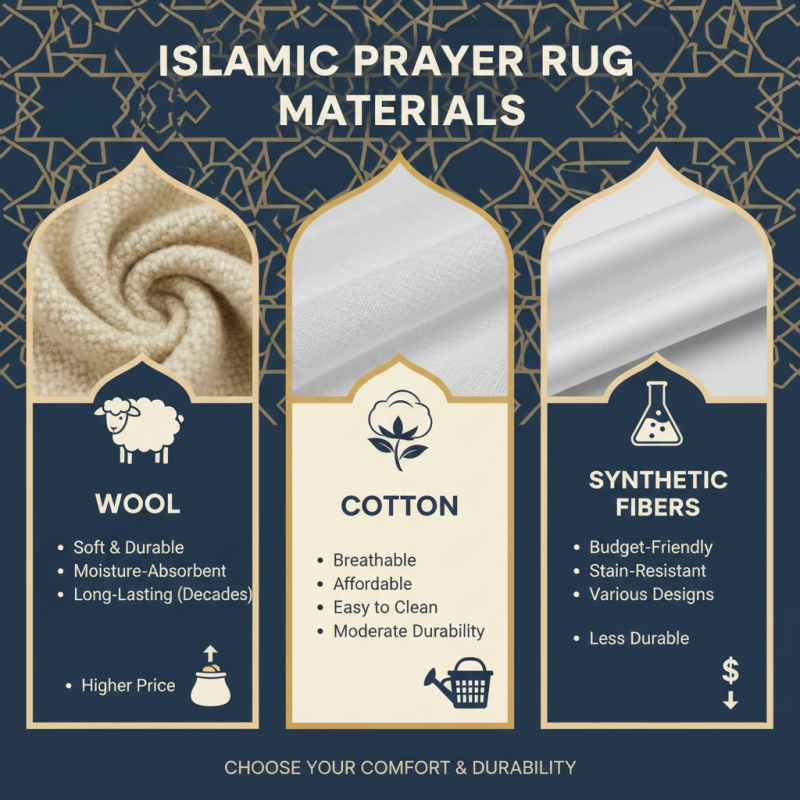
When selecting an Islamic prayer rug, the materials used play a crucial role. Commonly, prayer rugs are made from wool, cotton, or synthetic fibers. Wool is favored for its softness and durability. It can absorb moisture well, making it comfortable during prayer. Reports indicate that high-quality wool rugs may last decades with proper care. However, they can be pricier compared to other options.
Cotton rugs are popular for their breathability and ease of cleaning. They come in various patterns and colors, adding a personal touch to a worship space. However, they may not provide the same level of insulation as wool. Often, these rugs can wear out faster, especially with daily use. A simple wash can diminish their plushness, altering the initial comfort.
Synthetic materials, such as polyester, offer affordability and a range of designs. They are lightweight and quick to dry, but they might lack the traditional feel. Some people find that synthetic rugs can feel less authentic during prayer. This material choice might not provide the best spiritual connection that a wool or cotton rug can offer. Users should evaluate the balance of comfort, cost, and longevity when making their choice.
When choosing an Islamic prayer rug, several factors come into play.
Size is crucial; it should comfortably fit your space. A smaller rug might work for a confined area, while a larger one can provide more room for movement.
Consider the thickness of the rug as well. A plush rug feels great underfoot but may be harder to store.
Material is another important aspect. Wool rugs are warm and durable, but synthetic fibers offer ease of cleaning.
Color and design also reflect personal taste. A vibrant pattern might be uplifting, while a simple design can aid in focus during prayer.
However, be careful not to let aesthetic choices overshadow functionality.
Finally, pay attention to the rug's backing. A non-slip base ensures safety during prayer.
It might not seem like a big deal, but a slipping rug can distract you. Reflect on your needs, and remember:
your rug should facilitate comfort and concentration while you pray.
When selecting an Islamic prayer rug, design and aesthetics are critical. A well-chosen rug enhances your prayer experience. Studies show that 72% of users prefer rugs with rich colors and intricate patterns. These designs can evoke a sense of tranquility during prayer. Vibrant hues like deep blue and emerald green are commonly favored.
Tips for choosing include considering the material. Natural fibers, like wool and cotton, are popular for their comfort and durability. Look for rugs that are easy to clean and maintain. An ideal rug should also fit your space. A rug that is too small may not provide a proper sense of enclosure.
In terms of aesthetics, the pattern is crucial. Some users prefer geometric designs, while others choose floral motifs. Both represent beauty in various forms. Remember, your choice reflects personal spirituality. Before making a decision, reflect on what resonates most. Can you find a balance between beauty and functionality?
Caring for your Islamic prayer rug is essential for its longevity and beauty. Regular maintenance will keep it in good condition. One key tip is to vacuum your rug weekly. This helps remove dust and dirt that can accumulate. Don't forget to use a gentle setting to avoid damaging the fibers.
Spot cleaning is crucial when spills occur. Use a damp cloth and mild soap for stains. Be cautious with water; too much can warp the rug. Remember to dab, not rub. This method prevents the stain from spreading. It’s important to test any cleaning solution on a small, inconspicuous area first. Not all solutions are suitable for every material.
Finally, store your rug correctly when not in use. Roll it up rather than folding to maintain its shape. Place it in a cool, dry place. Avoid direct sunlight to prevent fading. Reflect on how you use your rug and make adjustments when necessary. Caring for your prayer rug enhances its spiritual significance.