Geometric Rug Tips for Choosing the Perfect Design?
Geometric rugs have gained popularity in recent years. Their unique patterns add a modern touch to any space. Choosing the perfect geometric rug is essential for enhancing your interior design.
When selecting a geometric rug, consider the existing color palette of your room. A well-picked rug can tie together various decor elements. However, be cautious. An overwhelming design may clash with your furnishings. Balance is key.
Reflect on the size of your rug. It should fit the intended area without dominating it. Sometimes, a smaller rug can create an intimate atmosphere. It's a delicate dance between boldness and subtlety. Think carefully before making a decision.
Understanding Geometric Rug Designs and Their Appeal
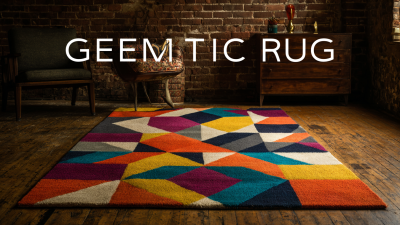
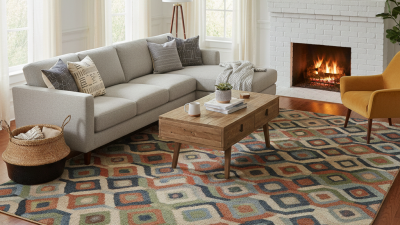
Geometric rug designs have gained popularity for their unique charm and versatility. These rugs often feature bold patterns and vibrant colors, creating visual interest in any room. The angular shapes and repetitive motifs can transform a plain space into an artistic haven. They seamlessly fit diverse decor styles, from modern to eclectic.
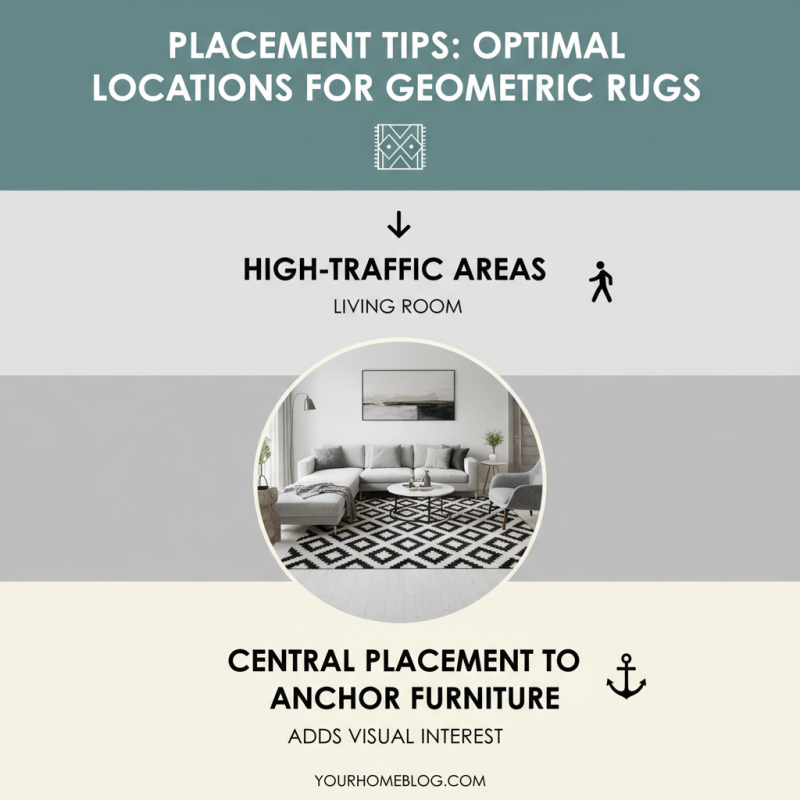
When choosing the perfect geometric rug, consider the size and placement. A small rug may get lost in a spacious living area. On the other hand, an oversized rug can overwhelm a compact room. It's essential to visualize how the design will interact with existing furniture. Immerse yourself in the textures and colors; they should complement, not clash.
Not every geometric pattern suits every personality. Some designs may seem too harsh or busy. Reflect on how the rug makes you feel. Sometimes, the most intricate designs can induce visual fatigue. Balance is key. The right rug should enhance your space, inviting comfort while maintaining style.
Key Considerations for Choosing the Right Size and Shape
When choosing the right size and shape for a geometric rug, understanding your space is crucial. According to a recent industry report, about 37% of homeowners underestimate the size needed for a well-balanced room. Measure your area carefully. A rug that's too small can make a room feel disjointed, while one that's too large may overwhelm the space. These are common missteps that can easily be avoided.
The shape of the rug also plays an essential role in the overall design. In open-concept spaces, a larger rectangular rug can unify distinct areas, promoting flow. Conversely, circular rugs can add softness to angular furniture arrangements. Data shows that 55% of successful room designs utilize unique shapes to enhance visual interest. Yet, many overlook this vital aspect. It’s worth experimenting, even if some choices may not initially seem fitting.
Ultimately, the goal is to create harmony in your space. Sometimes, achieving that balance requires trial and error. The nuances of size and shape can be tricky. Don't shy away from re-evaluating your choices to find what feels right. Your instincts matter in making the perfect selection.
Geometric Rug Size and Shape Popularity
This bar chart illustrates the popularity of different rug sizes and shapes among consumers. Understanding the trends can help in selecting the perfect geometric rug design.
Color Coordination: Matching Geometric Rugs with Your Decor
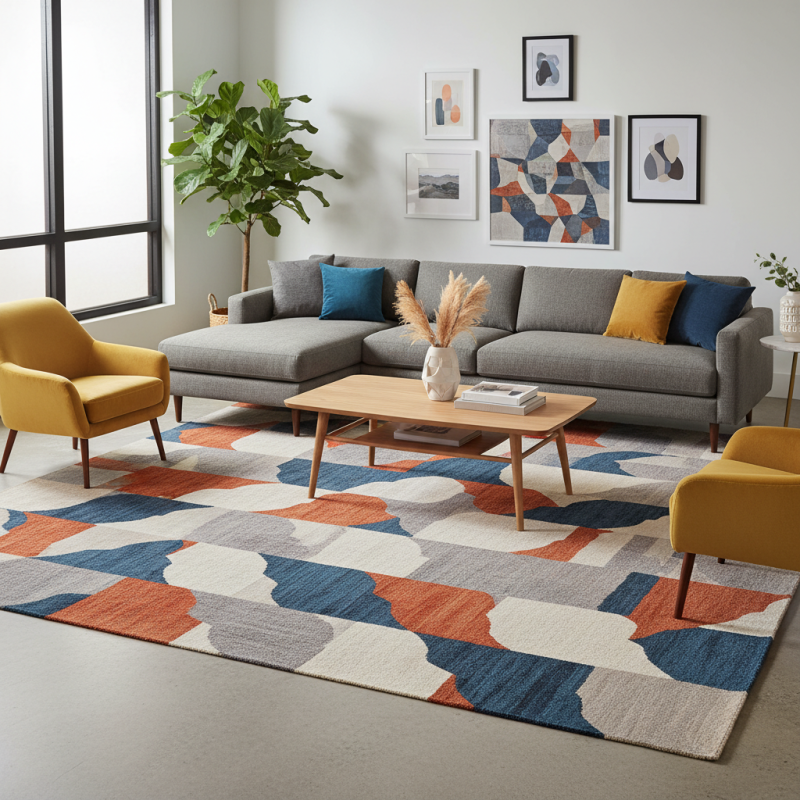
When it comes to geometric rugs, color coordination is key. A well-chosen rug can bring a room together. Think about your existing decor. Do you have a neutral palette? A bold, colorful geometric rug can add a striking focal point. Consider the shapes and colors of your walls, furniture, and accessories.
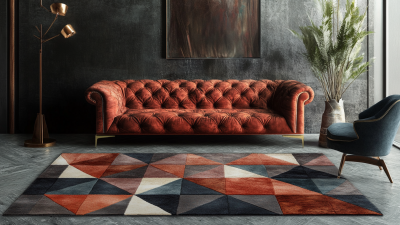
Tips: Look for complementary colors. If your room has warm tones, opt for warmer rug colors. This creates balance. If the space is cool-toned, seek out cool geometric patterns. Mixing geometric designs can be tricky. Aim for a mix of sizes and shapes that still reflect a common color theme.
Don’t forget texture. A rug's texture can enhance the overall feel of a room. A plush rug can add warmth, while a flatweave can provide a modern touch. Pay attention to how different textures interact with your decor. It’s all about creating a cohesive atmosphere. Be ready to experiment; sometimes, unexpected combinations can surprise you.
Geometric Rug Tips for Choosing the Perfect Design
| Rug Design |
Color Palette |
Best Room Placement |
Furniture Coordination |
Style Compatibility |
| Chevron Pattern |
Blue and White |
Living Room |
Modern Sofa, Glass Coffee Table |
Contemporary |
| Geometric Circles |
Yellow and Gray |
Bedroom |
Wood Bed Frame, Nightstands |
Modern Eclectic |
| Abstract Shapes |
Red, Black, and Cream |
Office |
Black Desk, White Chair |
Art Deco |
| Square Tiles |
Earth Tones |
Dining Room |
Wood Dining Table, Upholstered Chairs |
Rustic |
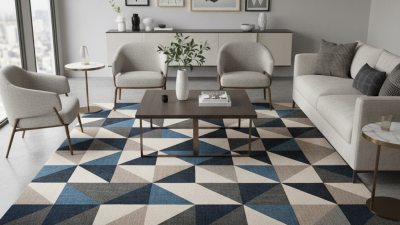
| Triangular Patterns |
Black and White |
Hallway |
Minimalist Console Table |
Modern Minimalist |
Material Selection: Finding the Best Fabric for Durability and Style
When selecting a geometric rug, the choice of material significantly impacts both durability and style. Natural fibers like wool and cotton are often preferred for their resilience. They can withstand foot traffic while maintaining their aesthetic appeal. Wool rugs can add warmth and richness to a space. Cotton, on the other hand, provides easy maintenance and a casual vibe. However, synthetic fibers can also be a practical option. They are typically more resistant to stains and fading, making them suitable for high-traffic areas.
Consider the rug's placement and its use. A fine wool rug may not be ideal in a busy hallway. You might end up frustrated with constant cleaning. Next, think about texture. Some materials feel softer underfoot, while others may feel coarse. A balance between comfort and durability is essential. A rug that looks great but wears out quickly can lead to disappointment. Assess the blend of style and function. Each choice impacts the overall atmosphere in a room, so reflect on what works best for your space.