- Home
- About Us
- Products
- News
- Blog
- Contact Us
Leave Your Message
A Toilet Carpet is a small floor covering designed to sit around or near a toilet. It can add warmth, softness, and visual harmony to a bathroom. However, it is not simply a decorative rug. Moisture, splashes, cleaning products, and limited airflow can quickly affect its condition.
From practical bathroom experience, the best choice usually combines absorbency, grip, easy washing, and quick drying. Cotton feels comfortable under bare feet and absorbs water effectively. Microfiber often dries faster and collects small drops around the toilet base. Rubber-backed styles may reduce movement, but some backing materials can trap moisture against delicate flooring. That detail matters.
Small choices matter.
This guide will explain what a Toilet Carpet is and how different materials perform in daily use. It will compare comfort, hygiene, durability, maintenance, and floor safety without treating one product as perfect for every home. A washable machine-friendly design may suit a busy family bathroom, while a thin, fast-drying mat may work better in a compact space. Households with children, older adults, or pets may also need stronger grip and simpler cleaning.
No option solves every problem. Some carpets look attractive but stay damp too long. Others dry quickly but feel less comfortable. Reliable selection depends on bathroom ventilation, floor type, toilet shape, and cleaning habits. Check the care label, measure the available space, and inspect the underside regularly. A careful decision can make the bathroom feel cleaner, safer, and more pleasant without adding unnecessary maintenance.
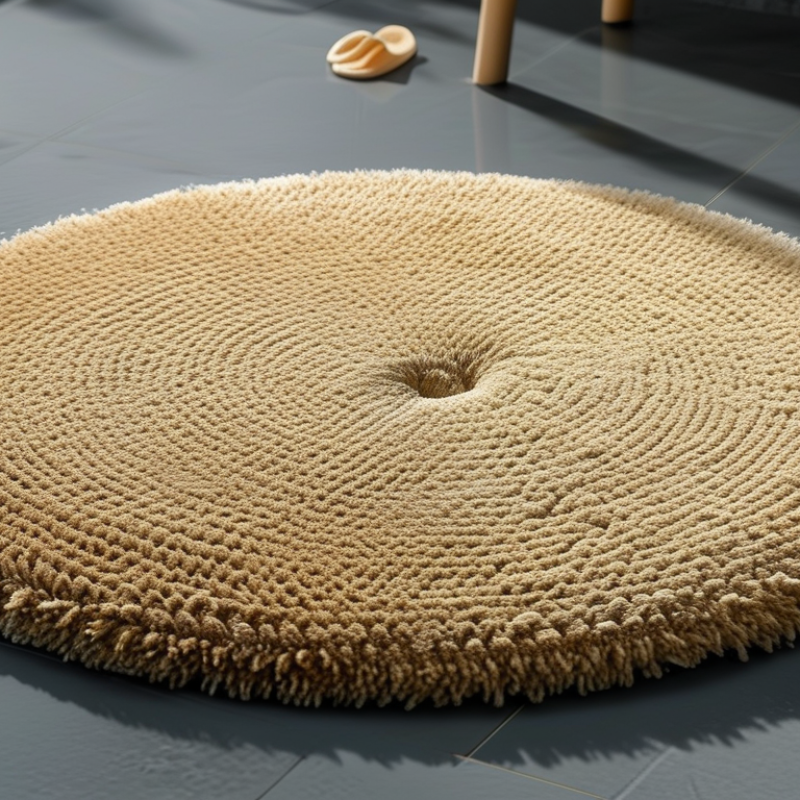
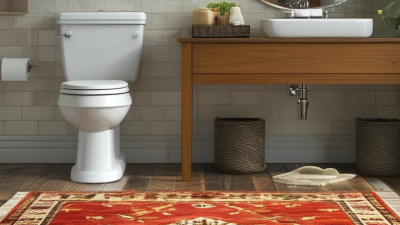
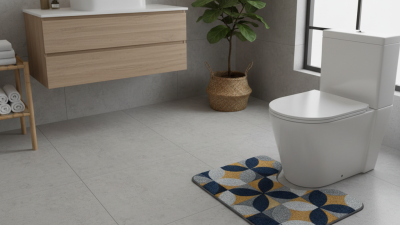
A toilet carpet is a small floor covering shaped to fit around a toilet base. It is also called a toilet mat or contour mat. Its cut-out design leaves space for the pedestal while protecting nearby flooring from drips and splashes. A bath mat usually has a simple rectangular shape. It sits beside a bathtub or shower, where wet feet need a soft, absorbent surface.
The difference is mainly placement, shape, and cleaning needs. A toilet carpet often collects more dust, hair, and moisture around the toilet base. For that reason, a low-pile, machine-washable material is usually the most practical choice. Rubber backing can reduce sliding, but it may trap moisture underneath. I once assumed thicker fabric meant better comfort. It actually dried more slowly and developed an unpleasant smell. That detail is easy to overlook.
Tips: Choose a toilet carpet with quick-drying fibers and secure backing. Measure the available floor space before buying. Leave a small gap around the toilet base for easier cleaning. Wash the mat regularly, following its care label. Avoid placing a toilet carpet directly over a heated floor without checking its material. A bath mat should also dry completely between uses, especially in a poorly ventilated bathroom.
| Comparison Dimension | Toilet Carpet / Contour Mat | Standard Bath Mat | Best Practical Choice |
|---|---|---|---|
| Definition | A small floor covering shaped to fit around the base of a toilet, usually with a cut-out or contoured edge. | A rectangular or oval mat placed beside a bathtub, shower, or sink to absorb water and provide a dry standing surface. | Choose according to placement: contour mats for the toilet base and bath mats for wet exit areas. |
| Primary Purpose | Helps protect the floor around the toilet from small splashes, drips, and contact with the toilet base. | Absorbs water from wet feet and reduces direct contact with a slippery bathroom floor. | A bath mat is generally better for shower or bathtub use; a toilet carpet is more suitable around the toilet. |
| Typical Shape | U-shaped, crescent-shaped, or fitted with a curved opening for the toilet pedestal. | Usually rectangular, square, oval, or runner-shaped, without a toilet cut-out. | Use a fitted contour shape when the mat must sit closely around the toilet base. |
| Common Materials | Often made from cotton, microfiber, polyester, chenille, or synthetic blends. | Common materials include cotton, microfiber, polyester, chenille, bamboo, and other water-resistant textiles. | Cotton and microfiber are practical textile options because they are widely washable and absorbent. |
| Absorbency | Designed for light, localized moisture rather than large amounts of water. | Usually designed to absorb water from freshly washed or showered feet and may need a higher absorbency level. | Choose a more absorbent bath mat for shower areas and a thinner, quick-drying mat near the toilet. |
| Drying Requirements | Should dry fully between uses because its position near the toilet can expose it to moisture and bathroom humidity. | Also needs regular drying, especially when used in a poorly ventilated bathroom or placed directly outside a shower. | Quick-drying materials and good bathroom ventilation help reduce persistent dampness. |
| Backing and Floor Grip | May include a latex, rubber, PVC, or other non-slip backing to limit movement around the toilet. | May have a non-slip backing, but performance depends on the floor surface, moisture, and condition of the backing. | A non-slip backing is useful, but it does not replace a dry floor and careful placement. |
| Compatibility with Heated Floors | Compatibility depends on the backing and the flooring manufacturer’s instructions. | Compatibility also depends on the backing material and the instructions for the underfloor heating system. | Check product and floor-heating instructions before using any backed mat on heated flooring. |
| Cleaning Method | Many fabric versions can be machine-washed, but the care label should be followed. The backing may require special handling. | Many fabric bath mats are machine-washable; rubber-backed products may have stricter washing and drying requirements. | Select a washable mat and clean it regularly according to its care label. |
| Hygiene Considerations | Because it is close to the toilet, it should be cleaned regularly and removed promptly if visibly soiled. | It can also collect moisture, skin debris, and household dirt, particularly when it remains damp for long periods. | Frequent washing, complete drying, and adequate ventilation are important for both types. |
| Toilet Base Coverage | Provides targeted coverage around the front and sides of the toilet pedestal. | Usually leaves a gap around the toilet base because it is not shaped for that area. | A toilet contour mat offers better coverage when protecting the floor immediately around the pedestal is the priority. |
| Slip and Trip Considerations | Raised edges, curled corners, loose fabric, or an unsuitable size can create a tripping hazard. | The same risks apply, especially when the mat is placed where a door, cabinet, or shower screen can catch its edge. | Choose the correct size, keep edges flat, and replace mats with deteriorated or peeling backings. |
| Best for Small Bathrooms | Useful where floor space around the toilet is limited and a fitted shape is needed. | Works well beside a shower or sink, but a large rectangular mat may obstruct doors or fixtures. | Measure the available floor area and allow doors and drawers to open freely. |
| Best Overall Type | A washable, quick-drying microfiber or cotton-blend contour mat with a secure, floor-compatible backing. | A washable, absorbent bath mat with a stable backing and a size that fits the shower or bathtub exit area. | For most bathrooms, using a contour mat at the toilet and a separate bath mat near the shower gives the most suitable coverage. |