Top 10 Carpet Office Suppliers for Global Buyers?
Choosing a reliable Carpet Office supplier is more complex than comparing catalogue prices. Global buyers must examine material quality, production consistency, communication, and delivery performance. A polished website proves very little. Samples, factory documentation, and customer references reveal more.
This guide presents ten suppliers for international purchasing teams. The selection considers carpet tile and broadloom experience, commercial project capacity, recycled content, fire testing, and warranty clarity. It also considers practical details, such as sample response times, carton protection, and whether product data supports local building requirements. These details matter when flooring arrives at a busy office renovation site.
No supplier is perfect. Some offer strong design collections but limited customization. Others provide competitive pricing but slower communication across time zones. Rankings can also change as freight costs, certifications, and production schedules change. That limitation deserves attention. Buyers should verify current claims directly with each supplier before signing a contract.
The strongest Carpet Office partners usually explain installation methods, maintenance needs, lead times, and replacement procedures clearly. They do not hide technical limitations behind attractive photographs. Reliable suppliers can discuss pile density, backing construction, dimensional stability, and slip performance in practical terms. They also provide consistent commercial support after payment.
This overview is designed for informed comparison, not automatic purchasing. It combines industry-focused criteria with the realities of international sourcing. Regional standards, climate, labor conditions, and interior design goals still require careful review. A short sample test may prevent an expensive mistake.
Global Carpet Market Context: $72.39B in 2023 (Grand View Research)
Top 10 Carpet Office Suppliers for Global Buyers?
The global carpet market reached USD 72.39 billion in 2023, according to Grand View Research. Its report projects continued growth through 2030, supported by office renovation, commercial construction, and demand for improved indoor comfort. This scale matters to global buyers. Even a small specification change can affect millions in sourcing costs.
Research and Markets also identifies commercial buildings as a major demand area, especially where durability and maintenance control influence purchasing. Office carpet is not merely a surface underfoot. It must handle rolling chairs, coffee spills, heavy entrances, and repeated cleaning. Buyers should compare fiber type, backing construction, tile dimensions, fire performance, and replacement availability.
Look beyond the catalog.
The strongest supplier shortlist includes documented factory experience, transparent test reports, stable export capacity, and clear installation guidance. Environmental claims need careful review. Ask for product-specific evidence, not broad marketing language. Life-cycle data can reveal hidden differences in recycled content, shipping, cleaning, and replacement frequency.
The USD 72.39 billion estimate is useful, but it is not perfect. Research firms use different definitions, regions, and forecasting methods. I would avoid treating one number as absolute truth. A practical evaluation should combine market reports with samples, warranty terms, local standards, and feedback from facility managers. Cheap carpet can become expensive when one damaged section requires replacing an entire office zone.
Supplier Ranking Method: Coverage, Capacity, Certifications, and 2024 Data
A credible Top 10 carpet office suppliers list needs more than product appearance. This ranking uses four measurable areas: market coverage, production capacity, certifications, and verified 2024 data. Coverage measures active distribution across regions, warehouse locations, export experience, and after-sales support. A supplier serving several continents earns more confidence when delivery terms remain consistent.
Capacity is checked through factory output, monthly roll availability, lead times, and project handling.
Real evidence matters. Buyers should request production schedules, sample batches, and records from recent office installations. Certification review includes quality management, environmental systems, indoor air standards, and fire-performance testing. Certificates must show valid dates, issuing bodies, and matching factory addresses.
The 2024 data layer helps reduce outdated rankings. Useful indicators include shipment volume, repeat project rates, complaint resolution time, and documented recycled-content percentages. Public figures are often incomplete. That is a weakness. We therefore compare audited records, customs information, technical sheets, and buyer references instead of trusting promotional claims. Scores are weighted equally for transparency, although this choice may not suit every purchasing team. A hospital project may value fire testing more heavily, while a flexible workspace may prioritize speed and design variety. The final ten suppliers are ranked provisionally, with quarterly checks for capacity changes, certificate renewal, and delivery performance. Small details count. A late replacement roll can delay an entire floor.
Office Carpet Performance: EN 1307, ISO 105, and ASTM Test Evidence
When global buyers compare the top ten office carpet suppliers, test evidence should lead the shortlist. EN 1307 helps classify textile floor coverings for commercial use, but the class does not predict every office condition. Ask for the declared use class, pile construction, backing details, and production lot. A technical sheet is useful. A verified report is stronger.
Color stability needs precise evidence. ISO 105 is a family of methods, not one universal result. Request the exact part, exposure method, rating scale, and conditioning details. Light, water, and rubbing tests answer different questions. ASTM evidence also needs a method number. ASTM D5252 may assess appearance retention, while other ASTM methods examine flammability, dimensional behavior, or static performance. Do not accept “ASTM tested” without the procedure, laboratory, date, and specimen description. I once treated a passing color result as proof of long-term visual performance. That conclusion was too broad.
Tips: Compare reports beside the installation brief. Check traffic levels, rolling loads, cleaning chemicals, sunlight, and chair movement. Request pre-production samples and retain a sealed reference tile. Ask whether results apply to the exact construction offered. Small differences matter. Inspect report accreditation and chain of custody. Some paperwork looks impressive but omits conditioning details. That gap deserves a question, not an assumption.
Top 10 Global Office Carpet Suppliers: Brands, Regions, and Product Lines
Top 10 Global Office Carpet Suppliers: Brands, Regions, and Product Lines
Global office carpet sourcing is rarely about choosing one famous label. A stronger shortlist compares ten supplier profiles across North America, Europe, Turkey, India, China, Southeast Asia, Australia, and the Middle East. These regions offer different advantages, including design depth, competitive pricing, production capacity, and regional delivery. Common product lines include modular carpet tiles, broadloom rolls, entrance mats, acoustic flooring, and recycled-content collections.
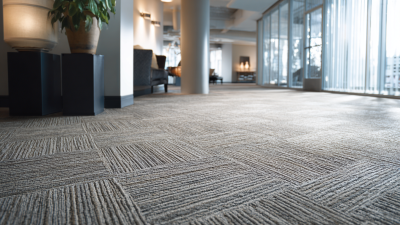
In real procurement work, carpet tiles often simplify repairs because one damaged square can be replaced. Broadloom creates a smoother visual field, but installation requires better site control. Ask suppliers for fiber details, backing construction, fire-test documentation, dye-lot controls, warranty terms, and sample swatches under office lighting. Check carton dimensions, pallet weight, and replacement-stock policies. A low unit price may become expensive after freight, cutting waste, and installation delays. My early comparisons focused too much on appearance. That was a mistake.
Tips: Request samples from at least three regions. Test them beside desks, glass walls, and entrance doors. Confirm lead times in writing, including production, customs, and local delivery. Review cleaning instructions with the facility team before approval. Also, do not assume recycled content guarantees durability; verify the technical data and maintenance record.
Top 10 Global Office Carpet Suppliers: Regions and Product Lines
Commercial office carpet portfolios are commonly organized around carpet tiles, broadloom carpet, modular plank formats, and entrance flooring. The chart compares widely used commercial product formats by standard unit area, providing a practical reference for global buyers.
Carpet tile and plank dimensions shown are established commercial flooring formats. Broadloom carpet is generally supplied in rolls approximately 3.66–4.00 metres wide, while entrance flooring is typically specified by linear metre or square metre.
Buyer Scorecard: Price, Lead Time, Warranty, EPDs, and 5-Year Cost
Top 10 Carpet Office Suppliers for Global Buyers?
A practical buyer scorecard should compare more than the quoted carpet price. Record price per square meter, sample costs, freight terms, and estimated installation waste. A low quote can change after customs fees, border delays, or unavailable replacement tiles. Ask suppliers for confirmed production dates, not optimistic estimates. Lead time should include sampling, manufacturing, inspection, and ocean or air transport.
Warranty terms require careful reading. Check coverage for wear, color change, backing failure, and installation defects. A five-year warranty means little if claims require local inspections or expensive return shipping. Request current EPDs with clear product references and certification details. EPDs support environmental reporting, but they do not automatically prove better performance. Compare recycled content, maintenance needs, and expected service life.
Tips:
Build a weighted scorecard before requesting final bids. For example, assign 30% to five-year cost, 20% to lead time, 20% to warranty, 15% to EPD quality, and 15% to price. Calculate five-year cost using purchase, freight, installation, cleaning, repairs, and replacement stock. Keep spare tiles from the same production batch. This simple step can prevent visible color differences later. Scorecards still have limits. They may overlook installer skill, site moisture, and communication problems. Visit a completed project when possible, and test samples under office lighting.