Leave Your Message

Top Decoration Carpet Trends for 2026 What to Know?

As we look towards 2026, the world of decoration carpets is poised for transformation. According to a report by Market Research Future, the global carpet market is expected to grow at a CAGR of 4.2%, indicating rising demand for innovative designs. With sustainability trends influencing consumer preferences, decoration carpets that emphasize eco-friendly materials are in high demand.

Color and texture are also significant factors shaping decoration carpet trends. The 2023 Color Trends Report highlights the growing appetite for earthy tones and bold patterns, reflecting a shift towards personalization in interior spaces. Interior designers note that the right carpet can enhance a room's ambiance, but finding the perfect match remains a challenge.

Moreover, while many brands are eager to adopt sustainable practices, some still face supply chain hurdles. This inconsistency in sourcing can affect the reliability of eco-friendly options. It's crucial for consumers to consider not just aesthetics but also the environmental impact of their decor choices. As the industry evolves, understanding these trends will empower buyers to make informed decisions in the ever-changing landscape of decoration carpets.
Top Decoration Carpet Trends for 2026 What to Know?

Key Influences Shaping Carpet Design Trends for 2026

As we approach 2026, the carpet industry is set to witness significant transformations. Key influences shaping carpet design trends include sustainability, technology, and cultural nostalgia. Reports indicate that 68% of consumers now prioritize eco-friendly materials when selecting carpets. This has spurred manufacturers to innovate with recycled fibers and natural dyes. The trend emphasizes not just aesthetics but also environmental responsibility.

Another compelling element is technological integration. Smart carpets that incorporate sound absorption and heating elements are emerging. A recent study suggested that 45% of homeowners are interested in smart home products, showing a growing demand for multifunctionality in design. These advancements enable carpets to serve purposes beyond mere decoration, enhancing living spaces in holistic ways.

Cultural influences also play a pivotal role in carpet trends. The resurgence of vintage patterns and textures reflects a yearning for authenticity. Many designers are blending modern styles with traditional motifs, creating unique tapestries that tell stories. This approach not only preserves heritage but also caters to a diverse audience. Observing these trends offers insights into the evolving preferences of consumers, creating a landscape of opportunities in the carpet market.

Top Decoration Carpet Trends for 2026 What to Know?

Trend Description Key Influences Color Palette Material Preferences
Sustainable Materials Focus on eco-friendly and biodegradable materials. Environmental awareness, consumer demand for sustainability. Earth tones, muted greens, and soft beiges. Recycled fibers, organic cotton, natural wool.
Bold Patterns Intricate and eye-catching designs taking center stage. Influence of maximalism in interior design. Vibrant reds, deep blues, and contrasting hues. Synthetic blends for vibrant colors, durable options.
Textured Finishes Incorporation of textures to enhance tactile appeal. Growing interest in sensory elements in design. Neutral shades with pops of color. tufted, looped, and patterned textures.
Vintage Revival Retro designs making a comeback in modern settings. Nostalgia and the desire for unique, historical pieces. Classic colors: olive green, mustard yellow, burgundy. Wool, cotton, and other traditional fibers.
Zen and Minimalism Calm and serene designs promoting tranquility. Focus on wellness and peaceful living environments. Soft pastels and monochromatic schemes. Natural materials such as jute and sisal.

Innovative Materials and Technologies in Carpet Production

The carpet industry is undergoing significant transformations driven by innovative materials and technologies. The rise of sustainable materials is noteworthy. Reports indicate that the eco-friendly carpet segment is projected to grow by 20% annually through 2026. Recycled fibers and bio-based materials are at the forefront. These options not only reduce waste but also lower the carbon footprint associated with carpet production.

Technological advancements are reshaping production methods. The adoption of digital printing is increasing. It allows for intricate designs with minimal waste. A recent study showed that digital techniques can reduce water usage by up to 90%. Additionally, smart carpets embedded with sensors are emerging. This technology can monitor foot traffic and provide data for maintenance and safety improvements. However, the integration of such technology poses challenges in terms of consumer awareness and market acceptance.

Despite these advancements, challenges remain. Quality control in recycling processes can be inconsistent. The durability of new materials also raises concerns among consumers. It’s essential for manufacturers to address these issues. As the market evolves, balancing innovation with reliability will be crucial. Users may need to rethink their preferences when it comes to sustainability and performance in carpets.

Color Palettes and Patterns Dominating Carpets in 2026

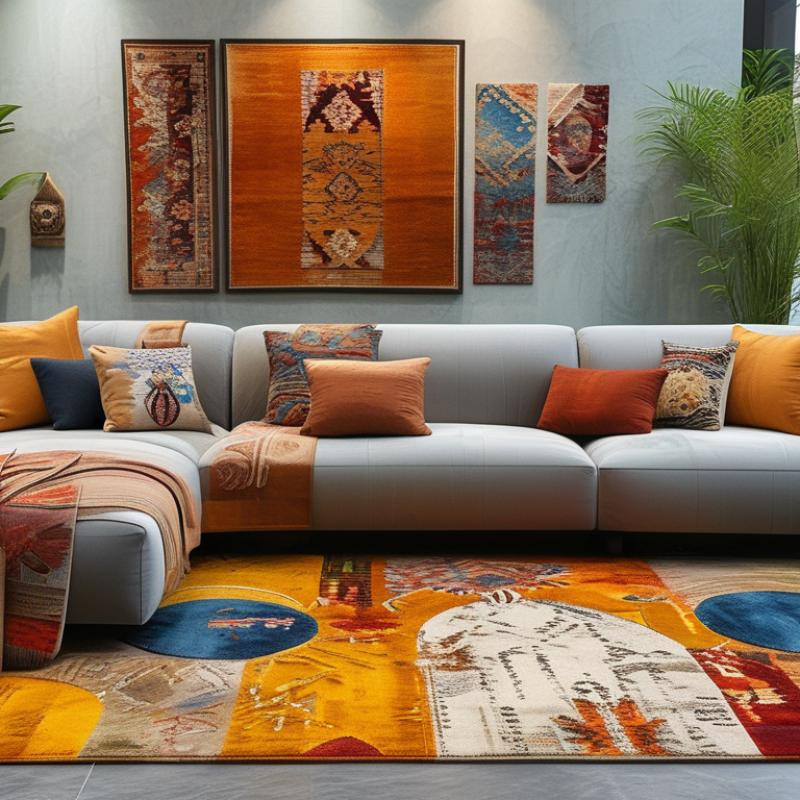
As we approach 2026, carpet design is evolving. Color palettes are shifting toward bold, unexpected combinations. Earthy tones like terracotta and olive green are making a strong comeback. These colors evoke a sense of comfort and nature. People are seeking warmth in their living spaces, and these shades reflect that desire.

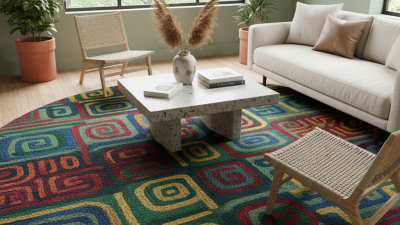
Patterns are becoming more intricate and artistic. Abstract designs are gaining popularity, often incorporating geometric shapes and fluid lines. Many homeowners appreciate a more personalized touch in their decor. However, some may feel overwhelmed by too many choices. Navigating this trend can be challenging.

The blending of classic and modern styles is noteworthy. Vintage patterns reimagined with fresh colors can create stunning conversations pieces. Yet, striking the right balance is crucial. Too much can clutter a room, leading to a chaotic feel. Finding harmony between these vibrant colors and patterns is essential for a cohesive design.

Sustainable and Eco-Friendly Carpet Options on the Rise

As we approach 2026, the demand for sustainable and eco-friendly carpet options is growing. Many people are becoming aware of their environmental impact. This shift is leading to innovative designs that prioritize both aesthetics and eco-consciousness.

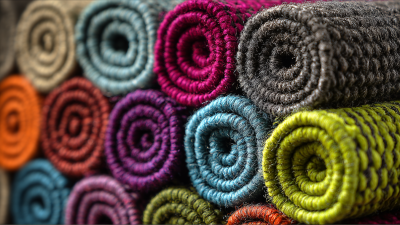
Natural fibers like wool and jute are gaining popularity. These materials are biodegradable and renewable. They offer a unique texture and warmth that synthetic options often lack. Additionally, carpets made from recycled materials, such as plastic bottles, are emerging. They provide durability while reducing waste.

However, the market is still evolving. Not all eco-friendly options are affordable or easy to find. Some consumers struggle to balance sustainability with budget constraints. There is also a need for education about maintenance and longevity. Choosing the right sustainable carpet requires research and careful consideration. This ongoing journey is essential for making informed decisions.

Functional Carpets: Blending Aesthetics with Practicality

Functional carpets are becoming a pivotal element in modern interior design. They successfully blend aesthetics with practicality, making them a desirable choice for both residential and commercial spaces. Many people now prioritize floor coverings that enhance the overall look while providing durability. This fusion caters to the busy lifestyles of today, where elegance must meet resilience.

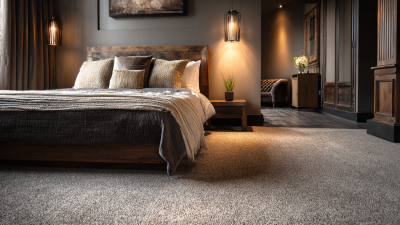
The textures of these carpets can add depth to a room, offering tranquility underfoot. Soft fibers can create a cozy atmosphere, while durable materials ensure longevity. However, not all carpets achieve the perfect balance. Some designs may sacrifice comfort for style, leading to disappointment. It’s essential to explore various options, ensuring that they meet both functional needs and visual appeal.

Textures, patterns, and colors contribute significantly to the overall ambiance. Neutral tones can add sophistication, while vibrant colors can energize a space. The challenge lies in selecting the right combination that aligns with personal taste and functional requirements. Examining these choices carefully can lead to a satisfying purchase. Yet, with so many variations available, it is easy to feel overwhelmed. It's important to reflect on one’s priorities to find the perfect fit.