Top Fluffy Carpet Trends Buyers Need to Know?
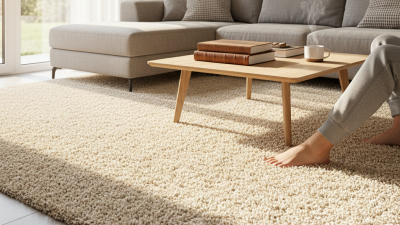
In the world of interior design, the allure of a fluffy carpet cannot be overstated. Renowned carpet expert, Anna Wilson, remarks, "Fluffy carpets add warmth and comfort, transforming any space into a cozy haven." These carpets are not just about aesthetics; they evoke a sense of luxury and relaxation. As buyers explore their options, understanding current trends is essential.
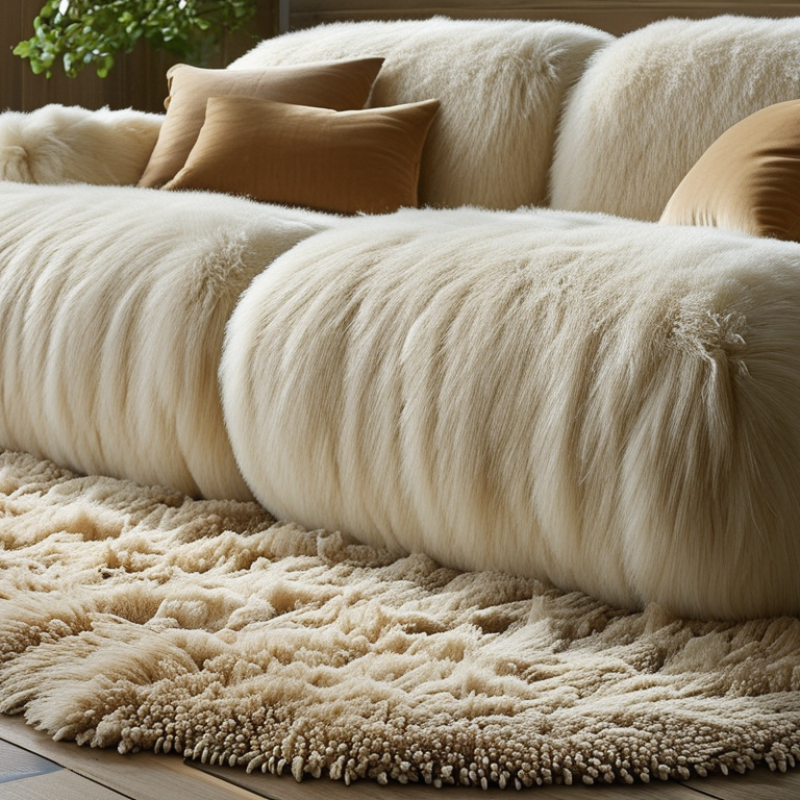
Texture, color, and sustainability are key elements shaping fluffy carpet trends. Homeowners increasingly desire eco-friendly materials that also deliver on comfort. The trend is leaning towards soft, inviting textures that make a room feel complete. Yet, not all fluffy carpets are created equal. Finding the right balance between durability and softness can be a challenge.
While fluffy carpets are enticing, they do require maintenance. Regular cleaning is crucial to keep them looking fresh. Additionally, the dense fibers can trap dust and allergens, prompting buyers to consider their lifestyles carefully. As you navigate the fluffy carpet landscape, take time to evaluate what best fits your home and needs.
Top Fluffy Carpet Trends: A Comprehensive Overview for Buyers
Fluffy carpets are making a significant comeback in home decor trends. Their plush texture adds warmth and comfort to any space. According to the latest market analysis from the flooring industry, the global carpet market is projected to grow by 4.2% annually through 2027. Buyers increasingly seek soft textures for aesthetic appeal and functional comfort.
One notable trend involves the use of eco-friendly materials. Studies indicate that over 50% of consumers prefer sustainable options. Natural fibers like wool and cotton are gaining traction. These materials offer durability while reducing environmental impact. Bright, bold colors are also in vogue, reflecting a shift toward personalized interior design.
However, maintenance remains a concern. Fluffy carpets can attract dirt and allergens. Regular cleaning is essential for upkeep. Buyers often underestimate the effort required to maintain such carpets, leading to dissatisfaction. It's crucial to weigh the pros and cons before purchasing.
Top Fluffy Carpet Trends Buyers Need to Know
| Trend |
Description |
Material |
Color Palette |
Target Room |
| Eco-Friendly Carpets |
Made from sustainable materials. |
Bamboo, Recycled Plastic |
Earthy Tones, Green |
Living Room, Bedroom |
| Textured Carpets |
Add depth with varied textures. |
Wool, Nylon |
Neutrals, Pastels |
Home Office, Hallway |
| Patterned Fluffy Carpets |
Eye-catching designs for personality. |
Polyester, Olefin |
Bold Colors, Geometric Shapes |
Bedroom, Playroom |
| High-Pile Carpets |
Luxuriously soft underfoot. |
Polypropylene, Acrylic |
Warm Tones, Creams |
Living Room, Bedrooms |
| Shag Carpets |
Retro style making a comeback. |
Polyester, Wool |
Multicolored, Vivid Shades |
Living Room, Lounge |
The Rise of Sustainable Materials in Fluffy Carpet Production
The trend of using sustainable materials is reshaping the fluffy carpet industry. Buyers now prefer carpets made from eco-friendly fibers. Natural materials like wool, cotton, and jute are gaining popularity. These options reduce environmental impact and are biodegradable. The production processes for these carpets often use less water and fewer chemicals, aligning with green practices.
Sustainable carpets also offer a unique texture and warmth. Their plush feel enhances any room, making it cozy and inviting. Many consumers appreciate the standout aesthetic of natural fibers. However, not all sustainable options are durable or easy to maintain. Buyers may need to reconsider their choices based on lifestyle needs and longevity of the product. Understanding these details is essential for making informed decisions.
Finding a balance between sustainability and functionality can be challenging. Buyers should consider both style and practicality. Researching every option will help ensure a satisfactory purchase. Exploring different materials and their sourcing can lead to more informed choices.
Understanding Fiber Types: Nylon vs. Polyester in Carpet Choices
When choosing a carpet, the fiber type significantly impacts durability and comfort. Nylon and polyester are two popular options, each with unique characteristics. Nylon is highly durable, making it ideal for high-traffic areas. It resists wear and maintains its appearance for years. However, it can show dirt and stains more easily than polyester.
Polyester, on the other hand, is softer and often more vibrant in color. Its stain resistance is commendable, which appeals to families and pet owners. Still, it may not hold up as well in heavy foot traffic. Comparing these fibers reveals their strengths and weaknesses. Buyers must consider their lifestyle and how they will use the space.
For example, if you have children or pets, a durable material might be crucial. You could prioritize ease of cleaning over feel. Conversely, if comfort is your goal, polyester’s softness offers an appealing option. Balancing these factors is essential for a successful purchase. The right choice will enhance your home’s aesthetic and functionality.
Color Trends: Soft Pastels and Earthy Tones Dominating Carpets in 2023
Soft pastels and earthy tones are leading the carpet trends in 2023. These colors create a calming environment, appealing to homeowners seeking tranquility. According to industry reports, 37% of consumers prefer soothing hues like mint green and blush pink for their interiors. This shift toward softer palettes signals a desire for comfort in living spaces.
Earthy tones, such as terracotta and olive, have also gained popularity. These colors reduce stress and promote a connection to nature. A recent survey indicates that 45% of interior designers recommend these shades for modern homes. They provide warmth without overwhelming the senses, making rooms feel inviting.
However, these trends are not without challenges. Choosing the right color can be tricky. Improper selection may clash with existing decor. Carpets in these colors can also show dirt more easily, requiring more maintenance. Buyers must consider their lifestyle and cleaning habits. Adapting to these trends may require owners to rethink their choices and invest in quality materials.
Maintenance Tips: Keeping Your Fluffy Carpet Looking Fresh and New
Fluffy carpets can elevate the comfort of any space. However, they require special care to maintain their beauty. Regular maintenance is essential to keep them looking fresh and new. Vacuuming your fluffy carpet twice a week is a good practice. This helps remove dirt and dust that can accumulate in the fibers. Choose a vacuum with a gentle brush to avoid damaging the thick piles.
Stains are inevitable. When spills happen, act quickly. Blot the area with a clean cloth, then apply a mild detergent solution. Rinse with water to remove any residue. Avoid rubbing the stain; this can worsen the damage. Many people find it challenging to remove stubborn stains completely, leading to a sense of frustration.
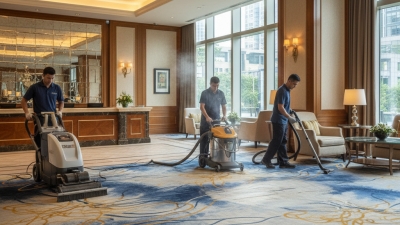
Deep-cleaning is necessary every six to twelve months. You can use professional carpet-cleaning services or rent a carpet cleaner for home use. Ensure the cleaner is suitable for fluffy carpets. Over-wetting the carpet can lead to mold growth, which is an issue many ignore. If you notice a musty smell, it's time to reassess your cleaning routine. Keeping fluffiness and freshness is an ongoing effort that requires attention and care.