Top Suppliers for High Quality Rug Wool in China?
Finding high-quality rug wool suppliers in China is essential for artisans and manufacturers alike. The demand for premium rug wool continues to grow due to the rising interest in handcrafted rugs. This material is known for its durability and warmth. It is crucial for anyone in the textile industry to identify reliable suppliers that meet standards of quality and sustainability.
The landscape of rug wool sourcing in China can be complex. Key suppliers often vary in their offerings. Some specialize in organic materials, while others may prioritize cost-effective solutions. It's important to investigate the sourcing practices of these suppliers. Authentic reviews from industry professionals can provide valuable insights. This is a market where quality can often be overlooked amidst competing choices.
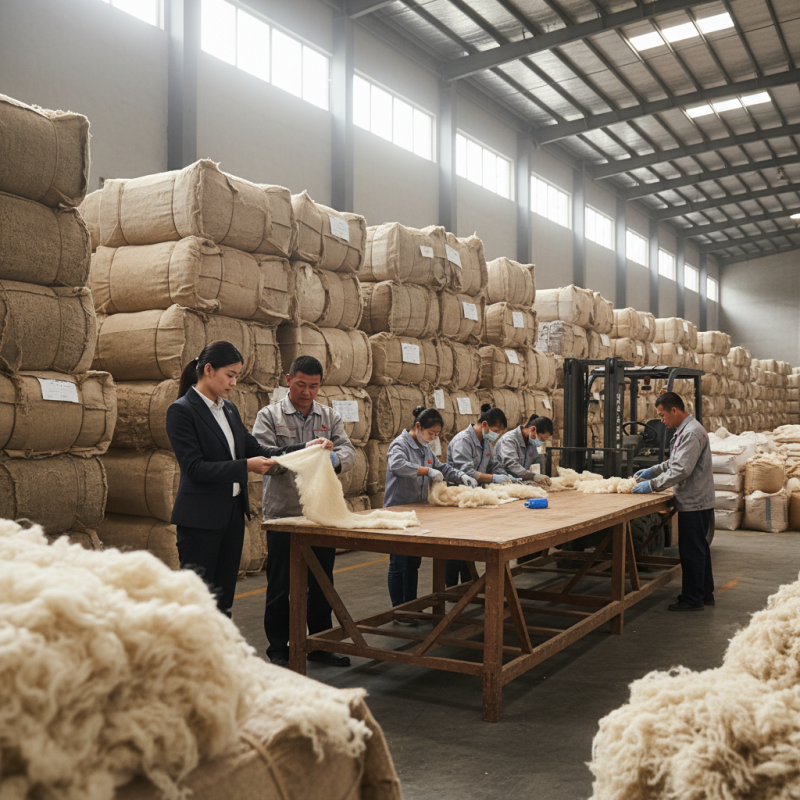
Exploring the best suppliers requires diligence and critical thinking. It’s advisable to visit production facilities when possible. This allows potential buyers to gauge the quality firsthand. However, not every supplier may live up to expectations. The journey toward finding the right rug wool vendor can be filled with challenges, but it’s worth the effort for superior results.
Introduction to Rug Wool and Its Importance in China
Rug wool plays a vital role in China's textile industry. It is often considered the backbone of high-quality rugs. The warm colors and soft texture stem from the unique sheep breeds found across the country. These breeds adapt well to China's diverse climate, enhancing the wool's quality.
In China, rug wool is not only sought after for its beauty but also for its durability. Craftsmen highly value this material for its ability to withstand wear while maintaining aesthetics. However, the challenges remain in sourcing sustainable wool. Many producers encounter inconsistent quality across different regions. Addressing these issues is essential for meeting both domestic and international standards.
Local expertise in wool production is crucial. Understanding the nuances of different fibers informs better purchasing decisions. Artisans must continually refine their skills to work with various wool qualities. This growth requires feedback and adaptation, emphasizing the importance of community collaboration in enhancing the craft.
Key Characteristics of High Quality Rug Wool
High quality rug wool is distinguished by several key characteristics. The fiber must be soft yet durable, providing comfort underfoot while resisting wear from foot traffic. A good test is to rub the wool between your fingers. It should feel smooth and plush. Next, pay attention to the fiber's crimp, which gives it resilience. Crimp is the natural wave in wool fibers that helps them bounce back. This feature is crucial for rugs that need to maintain their shape over time.
Another essential aspect is the wool's natural oils, known as lanolin. These oils help repel dirt and stains, making the rugs easier to clean and maintain. High-quality wool should also possess excellent dye affinity, allowing for rich, vibrant colors. Check for colorfastness by dampening a small area. If the dye bleeds, it may indicate inferior quality.
It’s important to be aware of the sourcing of your wool. Ethical practices often yield superior wool. Not all suppliers adhere to high standards. Conducting research on materials and sourcing methods can be crucial. The journey to finding the right wool can reveal surprising challenges, but pursuing quality in rug wool is worth the effort.
Top Regions in China for Sourcing Quality Rug Wool
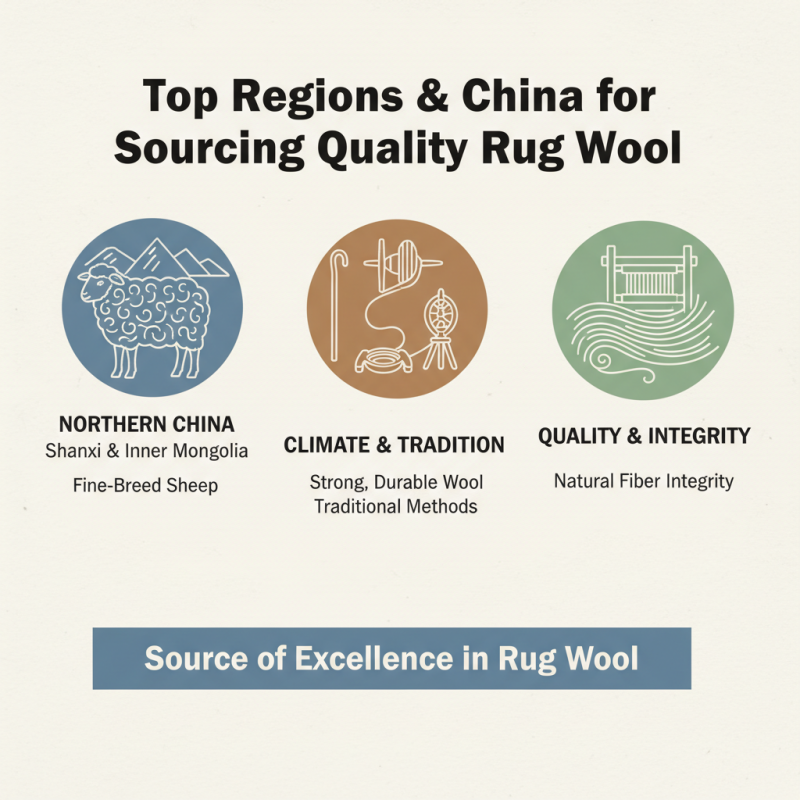
When sourcing high-quality rug wool in China, certain regions stand out for their rich traditions and expertise. The northern provinces, particularly Shanxi and Inner Mongolia, are renowned for their fine breed sheep. These areas have climates conducive to producing strong, durable wool. Local farmers often use traditional methods, ensuring the fibers maintain their natural integrity.
Eastern regions like Anhui and Jiangsu also contribute to the market. The wool produced here is known for its softness and luster. Artisans in these provinces specialize in processing techniques that enhance the wool's qualities. However, challenges do exist. With modernization, some producers may prioritize quantity over quality. This can lead to inconsistencies in wool grades. It's crucial for buyers to establish strong relationships with local suppliers.
In the southwest, Yunnan offers unique varieties of wool with vibrant colors. Here, local cultures influence the craftsmanship of wool products. However, navigating this market can be tricky. Not all suppliers guarantee the same quality. Conducting thorough research is essential. Engaging with trusted local experts can significantly improve sourcing outcomes.
Leading Suppliers of Rug Wool in China: An Overview
When exploring the landscape of rug wool suppliers in China, several key players emerge. These companies focus on high-quality raw materials sourced from various regions. A report by Technavio indicates that the global rug wool market is on track to grow by 4% annually through 2026. This trend reflects the increasing demand for premium wool in both domestic and international markets.
Many of the leading suppliers have facilities equipped with modern technology. This ensures consistent quality and reduces production inefficiencies. For instance, companies often implement rigorous quality checks during the wool processing stages. However, challenges remain, such as fluctuating supply chain costs that can impact pricing. Reports from the Woolmark Company show that wool prices have experienced volatility, which suppliers need to navigate carefully.
Sustainability is also a growing concern in this industry. Many suppliers are now seeking eco-friendly practices in sourcing and processing wool. This includes more responsible farming methods and reduced chemical use. According to a study by the National Wool Growers Association, consumer preferences are moving towards ethically sourced products. Suppliers must adapt to these trends to stay competitive while balancing traditional practices.
Top Suppliers for High Quality Rug Wool in China
| Supplier Type |
Location |
Wool Quality Grade |
Production Capacity (tons/year) |
Certifications |
Export Markets |
| Manufacturer |
Shandong |
A |
5000 |
ISO 9001 |
North America, Europe |
| Wholesaler |
Zhejiang |
AA |
7000 |
Oeko-Tex Standard 100 |
Asia, Europe |
| Distributor |
Fujian |
B |
3000 |
Yangzhou Certification |
Domestic, North America |
| Retailer |
Guangdong |
AAA |
2000 |
ISO 14001 |
Europe, Australia |
| Importer |
Jiangsu |
B |
4000 |
Global Organic Textile Standard |
North America, Middle East |
Evaluating Quality and Pricing of Rug Wool from Suppliers in China
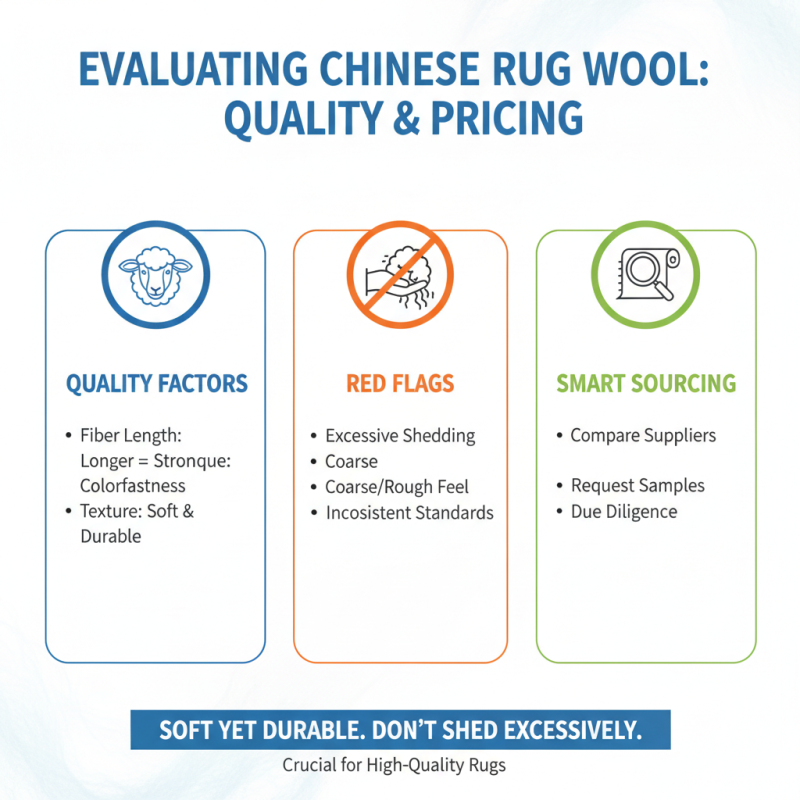
When sourcing high-quality rug wool from China, evaluating quality and pricing is essential. Rug wool varies significantly in quality due to factors like fiber length, dyeing technique, and overall texture. High-quality wool should feel soft yet durable. It should not shed excessively or feel coarse. Suppliers often have different standards, making careful evaluation crucial.
Price is another important aspect. Lower prices may indicate inferior quality. However, high prices do not always guarantee optimal quality. It's wise to compare samples from various suppliers. Look for wool that offers a balance of quality and price. Confirming sourcing practices can also help establish reliability.
Engaging with multiple suppliers provides insights into market standards. Requesting certifications can add a layer of trust. It's necessary to reflect on past experiences. Some suppliers might promise the world, but deliver below expectations. Always keep communication open. Clear dialogue can prevent misunderstandings.