Why Choose a Red Living Room Rug for Your Home?
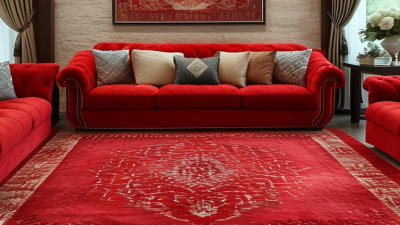
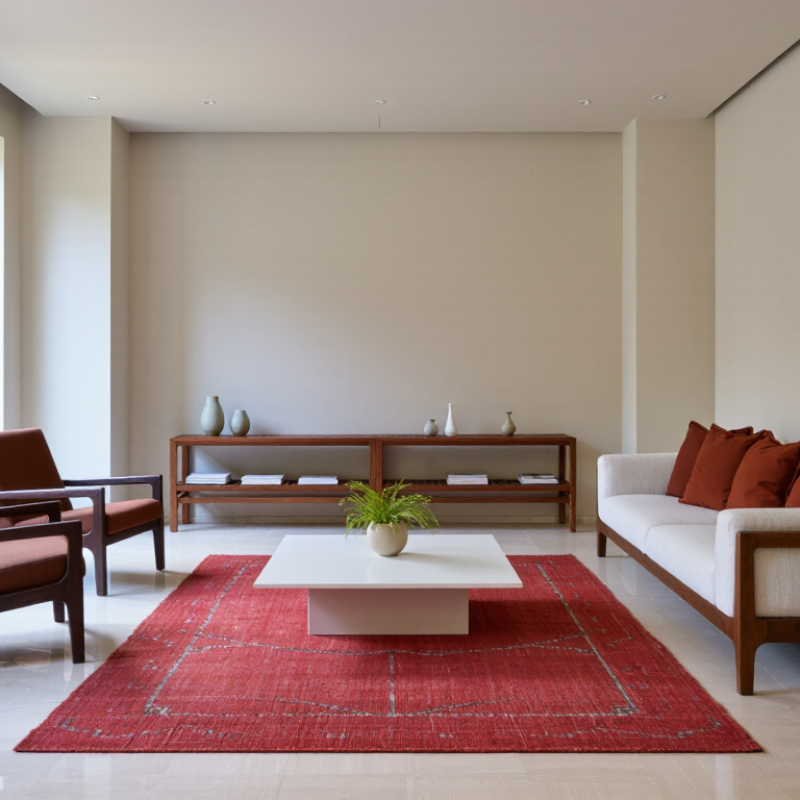
A Red Living Room Rug can bring warmth and definition to a space that feels flat or unfinished. It draws the eye, anchors the sofa, and gives smaller details—such as rust-colored cushions or a wooden side table—a clear point of connection. In a room with pale walls, the rug can feel lively. Against dark furniture, it may feel richer and more grounded. The effect depends on the shade, pattern, and light.
Color is only part of the decision. A practical choice should suit the room’s traffic, cleaning needs, and existing furnishings. For example, a low-pile rug is often easier to vacuum beneath a coffee table, while a patterned design can soften the appearance of everyday crumbs. Measure the seating area before shopping; a rug that stops short of the sofa can make the layout feel disconnected. Small details matter.
Red is not automatically the right answer. A bright scarlet rug may overwhelm a quiet room, and a deep burgundy can look nearly brown in dim light. That can be a surprise. Consider samples near your windows and under your evening lamps before committing. Think, too, about how the color feels after a week—not just in a styled photograph. A little doubt is useful here. This guide explores the visual appeal, practical considerations, and common mistakes involved in choosing a Red Living Room Rug, so you can find one that feels intentional and works in daily life.
The Role of a Red Rug in Living Room Design
A red rug gives a living room a visual anchor, drawing the eye toward a seating area and helping separate it from adjoining spaces. It can also add warmth to a room with cool gray walls, pale flooring, or simple furniture. Harvard’s Joint Center for Housing Studies estimated U.S. home improvement and repair spending reached $472 billion in 2022, up 16.6% from 2021. That broader investment trend makes flexible design choices worth considering: a rug can test a bold color without repainting walls or replacing a sofa.
Choose the shade in the room, not just on a screen. Rust and brick red often feel softer beside oak and linen; a clear crimson can bring sharper contrast to cream upholstery. Light changes the result. Check a sample near the window and again under evening lamps. Measure the seating area, too: ideally, the front legs of chairs and sofas rest on the rug, creating one connected zone. Leave some floor visible.
Not every red works. A busy pattern may compete with artwork, while a solid rug can expose stains more readily. I’d reconsider a vivid red in a small, already crowded room; it may feel louder than expected. Test it at home.
How Red Influences Mood and Visual Balance
A red living room rug can make a space feel warmer and more energetic. The effect depends on its shade, pattern, and surrounding colors. Deep burgundy often feels settled beside cream walls and dark wood. A rusty red can bring warmth without dominating a quiet room. Bright scarlet, by contrast, draws the eye quickly. That can be lively, but it may compete with patterned curtains or colorful artwork.
Red is visually assertive, so balance matters. Try placing a rug sample near the sofa and observing it in morning and evening light. Colors shift. Pale walls and simple upholstery give a strong red rug room to stand out. In a smaller space, a faded pattern or a red with brown undertones can feel less intense. Repeat a little of the rug’s color in a cushion or ceramic vase; this helps the room feel connected without matching every detail. Still, a red rug can feel too loud, even when the palette looks right on paper. Live with the sample for a few days before choosing.
Why Choose a Red Living Room Rug?
How to read this: Relative luminance runs from 0 (black) to 1 (white) and is calculated from each shade’s sRGB color values using the WCAG formula. Deeper reds can create a richer visual anchor, while lighter reds appear brighter. Red’s mood effect is subjective and can vary with lighting, surrounding colors, and personal or cultural associations.
Red Rug Styles, Patterns, and Materials
Red rugs can feel warm or theatrical, depending on their shade and pattern. A brick-red flatweave grounds pale oak floors, while a small crimson medallion can enliven a cream sofa without dominating the room. Match pattern scale to your furniture: broad geometrics suit open layouts, while finer motifs disguise crumbs in busy family spaces. Color shifts. Test a sample beside the sofa in morning and evening light; sunlight can make some reds look pinker, and screens often mislead.
Construction changes the feel underfoot. Wool offers spring and texture, but may shed at first and needs careful cleaning. Polyester can be practical for frequent spills, while jute brings a dry, coarse look that may feel less cozy beside a reading chair. Textile Exchange’s Materials Market Report 2024 estimates that polyester made up 57% of global fiber production in 2023. That figure describes fiber supply, not rug sales, but helps explain why synthetic options are widely available. Check the backing, pile height, and care label, then consider a nonslip pad on smooth floors. A small warning: thick pile can catch chair legs, and vivid red may need more visual restraint than expected.
Choosing the Right Size and Shade for Your Space
A red rug can anchor a living room, but its size matters as much as its color. Measure the seating area before shopping. In many rooms, a rug large enough for the front legs of the sofa and chairs creates a connected arrangement. Leave a visible strip of floor around it; roughly 18 inches works in many average-sized rooms, though narrow spaces may need less. For scale, the 2023 Houzz & Home Study reported a median U.S. renovation spend of $22,000 in 2022. A rug is a smaller choice, but careful measuring can prevent an expensive-looking mismatch.
Tips: Mark the planned rug edges with painter’s tape. Check the outline from the doorway and beside the sofa. It helps.
Then choose a red that responds to your room’s light. Rust and brick shades bring warmth to rooms with cream walls or oak floors. A deeper wine red can feel calmer against pale grey, while a brighter red may dominate a small space. Compare samples in morning and evening light; red can shift noticeably under warm bulbs. Also check nearby fabrics, not just the wall color. There is no perfect formula, and a shade that looks elegant in a sample can feel surprisingly loud across a large floor. A little restraint often works better.
Placement and Care for a Red Living Room Rug
Why Choose a Red Living Room Rug for Your Home?
Placement and Care for a Red Living Room Rug
A red rug can give a living room warmth and a clear visual anchor. Place it beneath the front legs of your sofa and chairs to connect the seating area without covering the entire floor. Leave a visible border of flooring around the rug, especially in a small room. Check the rug’s color in morning and evening light; deep red can look brownish in a dim corner. I would not chase perfect symmetry. A slightly offset rug may suit an informal room better.
Tips: Use a rug pad to reduce slipping and protect the floor. Keep the rug clear of door swings. Before buying, mark its planned edges with painter’s tape and walk around the room.
Care depends on the rug’s fiber and construction, so follow its care label rather than relying on color alone. Vacuum regularly with a suitable setting, and rotate the rug every few months to balance wear and fading. Blot spills with a clean cloth; rubbing can push liquid deeper into the fibers. Test any cleaner on a hidden spot first. Red dyes may transfer when wet, and a rushed cleanup can leave a pale patch. Some marks may not disappear completely. That is frustrating, but gentle care is usually safer than aggressive scrubbing.