Leave Your Message

Why Choose Purple Bedroom Rugs for Global Buyers?

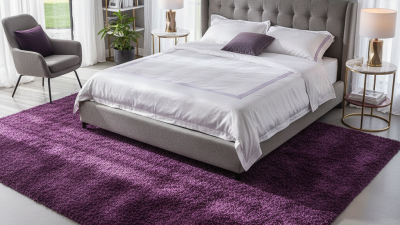
Purple Bedroom Rugs are gaining attention among global buyers who want warmth, personality, and a calmer sleeping space. Their color can shift from soft lavender to deep plum, depending on lighting and fiber texture. In a small bedroom, a muted purple rug may soften white walls and pale wood furniture. Under warm lamps, it can create a more intimate evening atmosphere.

Choosing the right rug requires more than liking its color. Practical buyers should check pile height, backing, dimensions, and cleaning instructions. A low-pile design often suits bedrooms with doors, rolling furniture, or frequent movement. Wool can feel naturally warm, while synthetic fibers may offer easier maintenance and broader price options. Always review material information carefully. Product descriptions are not equally detailed.

Texture matters greatly.

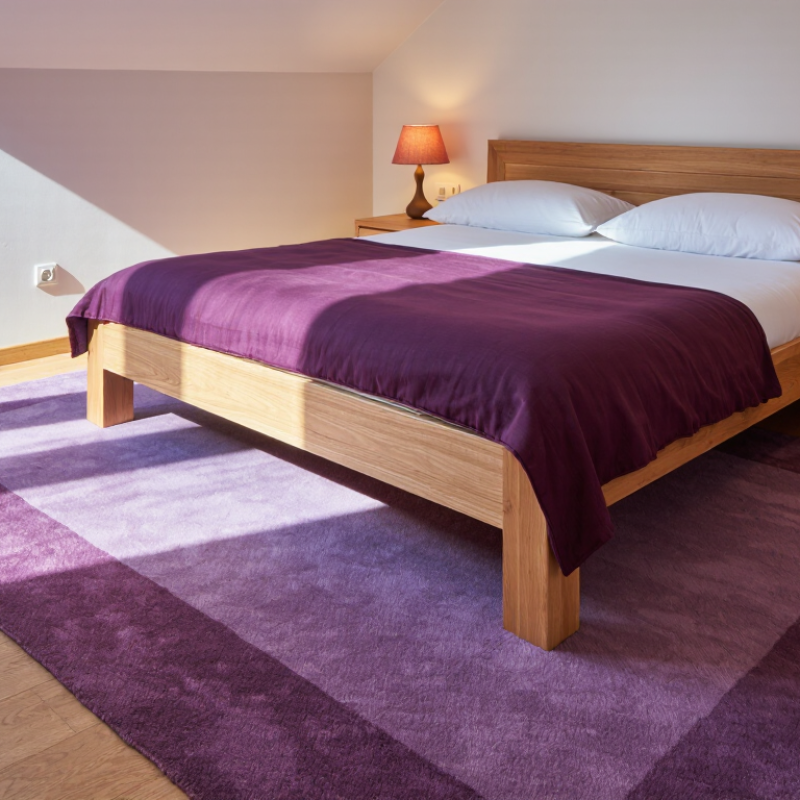
From hands-on room styling experience, placement changes the result. A rug extending beneath the lower two-thirds of a bed usually feels more balanced than a small mat beside it. However, this guideline is not universal. Narrow rooms, platform beds, and layered rugs may require different proportions. Buyers should also consider shipping conditions, return policies, and color differences between screens and actual fabric. A sample can prevent an expensive mismatch. Even then, purple may appear cooler or darker at home. That uncertainty deserves attention, not dismissal. With measured planning, Purple Bedroom Rugs can combine visual character, comfort, and dependable everyday use across many interiors.
Why Choose Purple Bedroom Rugs for Global Buyers?

Purple Bedroom Rugs: Definition and Core Features

Purple Bedroom Rugs: Definition and Core Features

A purple bedroom rug is a floor textile designed to soften sound, add warmth, and anchor bedroom furniture. Its color ranges from pale lavender to deep plum, creating very different visual effects. Grand View Research estimates the global carpets and rugs market reached about USD 72.9 billion in 2023. This growth reflects continued demand for decorative, comfortable home textiles. For global buyers, a rug’s value depends on more than appearance.

Core features include fiber type, pile height, backing, density, size, and cleaning needs. Wool offers resilience and natural warmth, while polyester often provides vivid color and easier maintenance. Low-pile designs suit doors and robot vacuums. Shaggy piles feel softer, but they trap more dust. A stable backing can reduce sliding, although it does not replace a proper rug pad. Independent textile-safety testing is worth checking, especially for bedrooms. Color accuracy can still vary between screens and samples. That detail is easy to underestimate.

Tips: Compare the listed dimensions with your bedside layout. Leave enough clearance around doors and drawers. Ask for a physical color sample when possible. Check fiber content, washing instructions, edge finishing, and packaging moisture protection. Dark purple may hide stains, but it can also make a small room feel heavier. Lighting changes everything.

Why Purple Rugs Suit Different Bedroom Styles

Why Choose Purple Bedroom Rugs for Global Buyers?

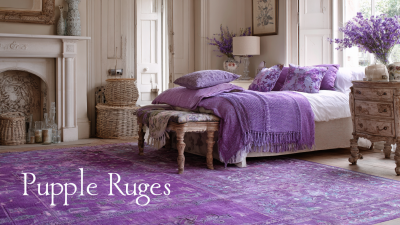
Purple rugs suit different bedroom styles because the color can feel both calm and expressive. Soft lavender works well in minimalist rooms with white walls and pale wood floors. Deep plum adds warmth to traditional bedrooms with walnut furniture. Dusty violet can balance a bohemian space filled with woven baskets, linen bedding, and plants. In contemporary rooms, a geometric purple rug creates a clear focal point without repainting the walls.

Material and lighting matter. A low-pile rug is practical beside the bed because doors open more easily and dust is easier to remove. Wool blends feel warm in cooler regions, while washable synthetic fibers may suit busy homes or humid climates. Purple can change under daylight and warm lamps. A shade that looks elegant online may appear too blue or too dark at home. That is worth checking. I would compare samples beside the bed, curtains, and flooring before buying. Size also matters: the rug should extend beyond the bedside area, not disappear beneath the bed.

Tips: Choose muted purple for restful rooms. Use deeper shades with cream or soft gray bedding. Check cleaning instructions and fiber safety. Leave enough floor space around the rug for easier maintenance. A small color mismatch is possible, so flexible styling helps.

How to Choose the Right Purple Rug Material and Size

Purple rugs can give a bedroom depth, softness, and a calm jewel-toned accent. For global buyers, material and size matter more than color alone.

Wool suits bedrooms needing warmth and resilience. Its natural fibers handle daily foot traffic and recover well from compression. Cotton feels lighter and usually costs less, but it may flatten sooner. Polypropylene resists stains and moisture, making it practical for rental homes or humid climates. However, synthetic fibers can feel less luxurious under bare feet. Grand View Research reported that the global carpets and rugs market was valued at about USD 72.39 billion in 2023. This scale reflects strong demand, but material quality still varies widely. Check fiber content, backing, pile height, and cleaning instructions before ordering.

Tips: Place a small rug beside each side of the bed, or use one large rug extending at least 45–60 centimeters beyond the frame. For a queen bed, an approximately 240 × 300-centimeter rug often works well. A king bed may need 270 × 360 centimeters. Measure the room first. Doors, wardrobes, and heating vents can reduce usable space. Low-pile rugs fit under furniture more easily, while high-pile designs feel softer but may catch dust. Purple also changes with daylight. A cool violet may look gray at night; a muted plum can appear warmer. Ordering a sample helps, though samples never show the full-room effect perfectly. That limitation deserves attention.

Why Choose Purple Bedroom Rugs for Global Buyers? - How to Choose the Right Purple Rug Material and Size

Practical comparison of common rug materials, standard bedroom sizes, and selection factors for international buyers.
Rug Material Texture and Comfort Durability and Maintenance Moisture and Location Suitability Recommended Purple Bedroom Use Common Size Choices Key Buying Considerations
Wool Naturally soft, warm, and resilient with a substantial feel underfoot. Strong natural fibers resist crushing and can recover from moderate foot traffic. Requires regular vacuuming and prompt treatment of spills. Best for dry indoor bedrooms. Wool can absorb moisture, so it should not remain damp. Premium bedrooms, cold climates, and spaces where warmth and long-term comfort are priorities. 120 × 170 cm 160 × 230 cm 200 × 290 cm Usually heavier and more expensive than synthetic options. Check for shedding during the initial period of use.
Cotton Lightweight, flexible, and generally flatter and cooler than wool. Easy to handle and clean when the care label permits machine washing. May wear faster in high-traffic areas than wool or nylon. Suitable for dry bedrooms and seasonal use. Dry thoroughly after cleaning to reduce odor and mildew risk. Casual bedrooms, guest rooms, children’s rooms, and buyers who prefer easy handling. 120 × 170 cm 160 × 230 cm Look for a non-slip backing or use a separate rug pad, especially on smooth flooring.
Polyester Soft to the touch with good color variety, including light lavender and deep purple tones. Generally stain-resistant and colorfast, but can flatten in areas with repeated pressure. Routine vacuuming is recommended. Appropriate for dry indoor bedrooms. Avoid prolonged exposure to high heat during cleaning or drying. Decorative bedrooms, rental properties, and buyers seeking broad color choices at a moderate price. 120 × 170 cm 160 × 230 cm 200 × 290 cm Check pile density and backing quality. Very plush polyester rugs may show footprints or furniture marks.
Nylon Available in low, medium, and textured piles; generally comfortable while retaining shape well. Highly resilient and suitable for frequent foot traffic. Often easier to maintain than many natural-fiber rugs. Best for indoor rooms, including bedrooms and hallways. Keep the rug dry after cleaning. Primary bedrooms or bedrooms connected to busy corridors where durability is important. 160 × 230 cm 200 × 290 cm 240 × 340 cm Compare pile height, backing, and cleaning instructions. A low pile is easier to place beneath doors and furniture.
Polypropylene Lightweight with a practical, easy-care surface; softness depends on the pile construction. Resists many common household stains and is generally easy to vacuum. Long-term pile recovery varies by construction. Suitable for dry indoor use. Some products may be used in covered outdoor areas, but bedroom models should be checked individually. Budget-conscious bedrooms, guest rooms, and homes needing straightforward routine care. 120 × 170 cm 160 × 230 cm 200 × 290 cm Confirm that the backing is compatible with the floor surface and that the rug has no strong residual odor before use.
Viscose or Rayon Very soft with a lustrous surface that can create subtle variations in purple color as the pile changes direction. Less tolerant of water, friction, and heavy traffic than wool or nylon. Requires careful maintenance. Use only in dry, low-traffic bedrooms. Avoid wet cleaning unless specifically approved by the manufacturer. Decorative bedrooms where appearance and a silky visual effect are more important than heavy-duty performance. 120 × 170 cm 160 × 230 cm Not the first choice for homes with frequent spills, pets, or high humidity. Confirm professional-cleaning requirements.
Blended Fibers Combines characteristics such as wool softness with synthetic durability or easier care. Performance depends on the fiber percentage and construction. Review the exact composition rather than relying only on the blend name. Usually suitable for dry indoor bedrooms, subject to the care instructions for the most sensitive fiber. Buyers seeking a balance between comfort, price, maintenance, and color stability. 160 × 230 cm 200 × 290 cm 240 × 340 cm Request the full fiber composition, pile height, backing details, and cleaning instructions before international purchase.
Small Bedside Rug Provides a soft landing area beside one or both sides of the bed. Easy to lift, vacuum, and replace. A rug pad helps prevent curling and sliding. Suitable for dry indoor bedrooms and compact layouts. Single beds, narrow rooms, or use as a pair beside a larger bed. 60 × 90 cm 80 × 150 cm Measure the available clearance beside the bed and keep the rug clear of doors and drawers.
Queen-Bed Area Rug Creates a larger visual zone around the bed and provides more coverage underfoot. Choose a construction that tolerates furniture pressure if bedside tables or benches will remain on the rug. Suitable for medium and large bedrooms with enough clearance around furniture. Queen or double beds, especially when the rug extends beyond both sides and the foot of the bed. 160 × 230 cm 200 × 290 cm 240 × 340 cm Measure the bed, bedside tables, and walking paths together. Leave enough floor clearance for doors to open fully.
King-Bed Area Rug Offers broad coverage and a balanced focal point for a spacious bedroom. Dense, resilient constructions are preferable when the rug will support heavy bed frames and bedside furniture. Best for large bedrooms where the rug can be centered without obstructing doors or built-in storage. King or super-king beds and large master bedrooms. 240 × 340 cm 300 × 400 cm Confirm room dimensions, elevator or doorway access, package volume, and total delivered weight before ordering.

Color Coordination with Purple Bedroom Rugs

Purple bedroom rugs appeal to global buyers because they add warmth without overwhelming the room. Purple ranges from dusty lavender to deep aubergine, so coordination matters more than the color name. Grand View Research valued the global home décor market at approximately USD 682.8 billion in 2023, showing strong demand for personal, design-led interiors. Yet, international homes differ in lighting, flooring, and cultural color preferences. A shade that feels calming in London may appear too cold in Singapore.

Color coordination works best through controlled contrast. Pair a lavender rug with warm white walls, pale oak furniture, and soft beige bedding. For deeper purple, use charcoal, cream, or muted brass accents. Keep repeated colors small: a cushion, lamp, or artwork can connect the rug without making the room feel theatrical. Natural daylight changes purple dramatically. That detail is often ignored. It should not be.

Tips: Check the rug beside your actual bedding and flooring. Test it in morning and evening light. For small bedrooms, choose a low-contrast pattern and place the rug beneath the lower two-thirds of the bed. For larger rooms, a border or geometric design can define the sleeping area. The 2024 Houzz & Home Study shows that homeowners continue investing in personalized upgrades, but personal taste remains imperfect and difficult to standardize. A coordinated room does not need to look identical in every photograph; it needs to feel balanced in daily use.

Purple is commonly represented near 270° on the color wheel. Color coordination can be planned by selecting hues at specific angular distances: analogous colors sit about 30°–60° away, split-complementary colors use approximately 150°, and complementary colors sit 180° away. These relationships help global buyers pair purple bedroom rugs with balanced wall, bedding, and accent colors.

Care, Maintenance, and Buying Considerations for Global Buyers

Purple rugs can give a bedroom depth without making the room feel heavy. In my experience, muted plum and lavender tones work best with warm wood, cream bedding, and soft lighting. However, purple may look cooler in online photographs than it does at home. Request a sample when possible, and inspect it beside your bed during daylight.

Care depends on the fiber, pile height, and backing. Vacuum gently once or twice weekly, using a setting suitable for the rug’s construction. Avoid aggressive brushing, especially on high-pile surfaces. Blot spills immediately with a clean, white cloth. Do not rub, since friction can spread dye and damage fibers. Test any cleaning solution on a hidden corner first. I have found that darker purple hides dust well but reveals pale lint surprisingly quickly.

Global buyers should check the exact dimensions, shipping weight, care label, and return terms before ordering. Room humidity also matters. Natural fibers may react to moisture, while synthetic fibers often dry more predictably. A quality rug pad can reduce slipping, protect flooring, and limit edge curling. Still, a pad may change the final height beneath a door. Measure carefully. Color variation between production batches is possible, so matching a later purchase may be difficult. Supplier details about fiber content, origin, construction, and cleaning guidance deserve more trust than dramatic product claims.