Leave Your Message

What Are the 2026 Top Bedside Runner Carpet Trends?

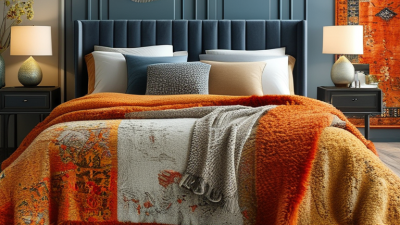
The 2026 bedroom floor is becoming softer, quieter, and more deliberate. A Bedside Runner Carpet now does more than protect bare feet from cold flooring. It frames the bed, absorbs small sounds, and adds a tactile layer beside the first morning step. Current design signals point toward calm colors, low-pile textures, recycled fibers, and washable constructions.

Industry data supports this direction. Grand View Research’s Carpets and Rugs Market report identifies residential renovation, comfort, and interior personalization as major growth drivers through 2030. Its analysis also highlights sustainability and improved manufacturing as important purchasing influences. The 2024 U.S. Houzz Kitchen Trends Study, although focused on kitchens, shows how strongly homeowners value durable, easy-care surfaces during renovation decisions. That preference is likely to influence bedroom flooring as well.

Practical details matter. A runner beside the bed should stay flat, resist edge curling, and provide dependable slip control. Wool offers warmth and resilience, while recycled polyester usually improves stain resistance and price accessibility. Natural-jute styles look attractive, but they can feel rough under bare feet. That trade-off is easy to overlook.

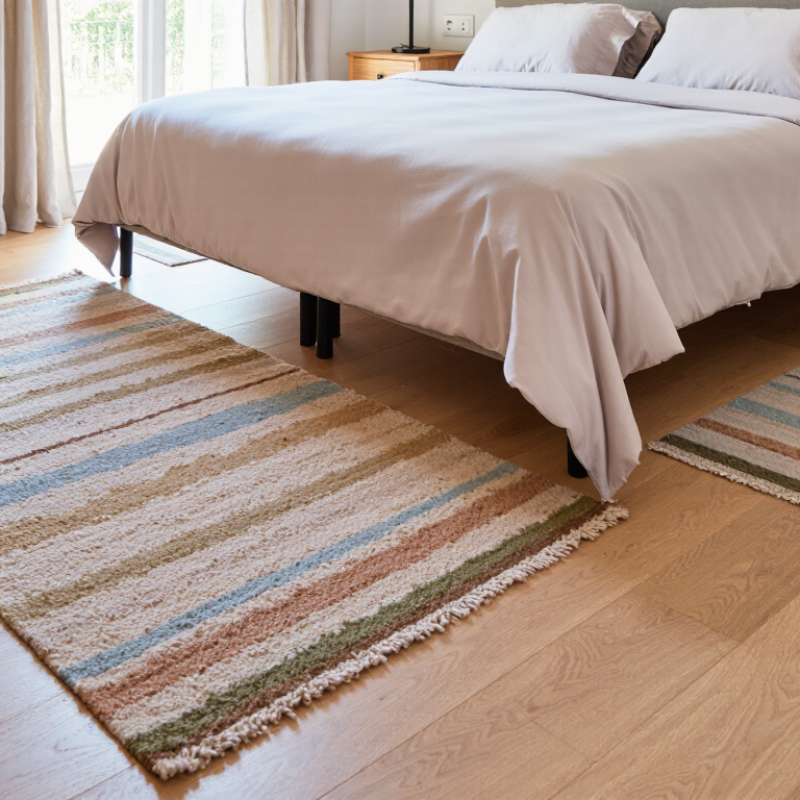
Color is shifting toward warm beige, muted olive, clay, and softened blue. Pattern is becoming quieter. Thin stripes, hand-drawn lines, and faded geometric forms can add interest without competing with bedding. However, trend reports are not purchase instructions. Room size, cleaning habits, pets, and allergy concerns should guide the final choice. Some 2026 predictions may age poorly. That is worth remembering.
What Are the 2026 Top Bedside Runner Carpet Trends?

Defining the 2026 Bedside Runner Carpet Trend

Defining the 2026 Bedside Runner Carpet Trend

The 2026 bedside runner carpet trend is becoming quieter, softer, and more practical. Designers are moving away from oversized patterns and harsh synthetic shine. Instead, they favor narrow runners with textured loops, muted clay, oat, moss, and charcoal tones. These colors create a calm visual line beside the bed. They also hide small marks better than pale white surfaces.

According to Grand View Research, the global carpets and rugs market reached approximately $72.39 billion in 2022. It is projected to grow at a 4.1% compound annual rate through 2030. This growth supports more interest in durable, design-led floor coverings. The 2024 Houzz & Home Study also reported that 54% of surveyed homeowners renovated their homes in the previous year. That activity suggests stronger demand for practical bedroom upgrades, including bedside flooring.

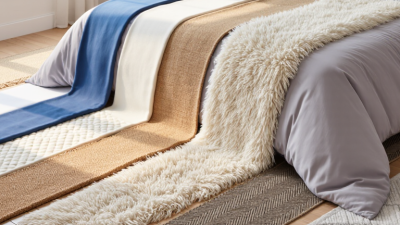
Material choice defines the trend more than decoration. Low-pile wool blends, recycled fibers, and tightly woven flatweaves suit bedrooms with frequent foot traffic. A stable backing reduces sliding on timber or tile. Yet, not every “eco” claim is equally clear. Buyers should request fiber content, manufacturing details, and cleaning instructions. I would also test the runner beside the bed before committing. Morning light can expose colors that looked perfect online. It happens. A six-foot runner with rounded edges can soften a compact room, while a washable construction supports everyday maintenance without feeling clinical.
What Are the 2026 Top Bedside Runner Carpet Trends?

Defining the 2026 Bedside Runner Carpet Trend

The 2026 bedside runner trend is moving toward tactile natural fibers, calm earthy colors, low-pile construction, washable performance, and softly irregular patterns. The index uses a 0–100 editorial relevance scale based on recurring themes in contemporary residential carpet and interior-design forecasts; it is not a company or brand sales ranking.

Key Colors and Patterns Shaping 2026 Bedrooms

In 2026, bedside runner carpets are moving toward warmer, more grounded bedroom palettes. Warm clay, muted olive, dusty blue, and soft mineral gray are replacing colder whites. These shades make early morning light feel gentler. Cream remains useful because it balances darker furniture and patterned bedding.

Pattern choices are becoming more personal. Organic stripes, irregular checks, and quiet botanical shapes are appearing beside beds. Their imperfect lines feel less manufactured. Subtle geometric patterns can also define a sleeping area without overwhelming it. From my recent room styling experience, a narrow runner with a low pile works best beside most beds. It feels comfortable under bare feet and is easier to clean. However, bold patterns can look smaller than expected after placement. I still measure twice.

Tips: Test carpet colors beside the bed at morning and evening. Artificial light can change olive into brown. Keep at least a small border around the runner so the floor remains visible. For compact rooms, choose cream, dusty blue, or fine vertical stripes. They can make the floor feel more open. In larger bedrooms, clay tones and wider checks add warmth. Secure the runner with a non-slip underlay, especially on smooth flooring. A soft pile may feel luxurious, but it can trap more dust. That trade-off deserves honest thought.

Emerging Materials and Textures for Bedside Runners

What Are the 2026 Top Bedside Runner Carpet Trends?

Emerging materials and textures are reshaping bedside runners in 2026. Grand View Research valued the global carpets and rugs market at about USD 72.39 billion in 2023, with growth expected through 2030. This expansion reflects stronger interest in comfort, durability, and responsible material choices.

Recycled polyester is becoming more practical for bedroom runners. Textile Exchange’s Materials Market Report 2024 recorded global fiber production at 124 million tonnes in 2023. Polyester remained the leading fiber group, although recycled content still represented a limited share. That gap needs attention. A runner made with recycled fibers can resist daily foot traffic, but its environmental value depends on verified sourcing and end-of-life planning.

Natural textures are also gaining influence. Wool offers springy softness and helps create a warmer surface beside the bed. Jute and hemp introduce dry, irregular fibers that suit relaxed interiors. Some designs combine these fibers with recycled synthetics for better stability. This hybrid approach is not perfect. Natural fibers may shed, while dense recycled piles can trap dust without regular cleaning.

Texture will matter as much as color. Low-loop constructions, subtle ribbing, and hand-finished edges create visible depth under morning light. A 2024 flooring outlook from the Freedonia Group identifies renovation and comfort as important demand drivers in residential floor coverings. For bedside use, a low-pile runner with a firm backing remains the safer choice. It feels soft, but does not easily catch toes or furniture legs.

What Are the 2026 Top Bedside Runner Carpet Trends?

Emerging Materials and Textures for Bedside Runners

2026 Trend Primary Materials Surface Texture and Appearance Key Performance Benefits Best Bedroom Application Care Profile 2026 Outlook
Recycled PET Flatweave Recycled polyester yarn made from post-consumer plastic bottles Low-profile, tightly woven, lightly mottled, and available in neutral solid shades Resists moisture, fading, and everyday staining; suitable for high-use areas Modern bedrooms, rental properties, guest rooms, and homes requiring easy maintenance Regular vacuuming; spot-clean with a mild detergent and water according to care instructions High growth
Combines practical durability with recycled-content positioning and a slim profile that works well beside beds.
Wool-Blend Textured Runners Wool blended with durable synthetic fibers or plant-based fibers Soft loop pile, subtle heathering, gentle ribbing, and handcrafted visual variation Naturally resilient, comfortable underfoot, insulating, and effective at moderating indoor humidity Primary bedrooms, colder climates, and interiors emphasizing comfort and natural materials Frequent low-suction vacuuming; professional cleaning may be preferred for deep stains High growth
Wool remains a strong choice for consumers seeking long service life, tactile comfort, and natural-fiber appeal.
Jute and Sisal-Inspired Natural Fibers Jute, sisal, seagrass, hemp, and blended natural-fiber constructions Visible slub, braided detail, coarse weave, and organic irregularity Strong visual texture, renewable-fiber appeal, and good abrasion resistance in dry interiors Coastal, rustic, Japandi, farmhouse, and earth-tone bedroom schemes Keep dry; vacuum gently; avoid prolonged moisture because natural fibers can absorb water and stain Steady growth
Natural texture remains popular, although bedroom use will favor softer blends and moisture-aware placement.
Low-Pile Performance Polypropylene Solution-dyed polypropylene and polypropylene blends Dense short pile, subtle geometric patterns, and wool-like matte finishes Good stain resistance, colorfastness, low moisture absorption, and relatively simple upkeep Family bedrooms, pet-friendly homes, children’s rooms, and high-traffic corridors beside beds Routine vacuuming and prompt spot treatment; follow the manufacturer’s cleaning guidance High growth
Performance fibers continue to gain attention where stain resistance and value are more important than luxury hand feel.
Recycled Cotton Chenille Recycled cotton fibers combined with polyester or other stabilizing fibers Velvety chenille surface, soft pile, washed color effects, and relaxed tactile character Comfortable underfoot and visually warm; suitable for decorative layering Soft contemporary bedrooms, reading spaces, and low-to-moderate traffic areas Use gentle vacuum settings; protect from excessive friction and moisture; rotate periodically Moderate to high growth
Soft recycled textiles support the broader demand for comfort-focused interiors and material reuse.
Handcrafted Tufted Runners Wool, cotton, viscose, or blended yarns attached to a backing Raised motifs, carved lines, uneven pile heights, and artistic abstract patterns Strong visual impact and a premium handmade appearance Decorative bedside placement, boutique-style bedrooms, and coordinated accent interiors Gentle vacuuming without a beater bar; periodic rotation helps distribute wear Steady growth
Consumers are increasingly using narrow runners as affordable statement pieces rather than full-room carpeting.
Reversible Flatweave Designs Wool, cotton, recycled PET, polypropylene, and blended yarns Two-sided patterns, compact weave, geometric borders, and minimal pile height Flexible styling, easier seasonal rotation, and reduced pile depth for doors and furniture clearance Small bedrooms, multifunctional rooms, apartments, and frequently rearranged interiors Vacuum both sides when appropriate; turn the runner regularly to reduce uneven wear High growth
Reversibility improves perceived value and supports longer use through style changes and wear management.
Plush Microfiber Shag Polyester microfiber and soft synthetic yarns Deep, silky pile with a cushioned feel and tonal solid-color appearance Warmth, softness, and noise reduction in areas with limited abrasive traffic Cold-weather bedrooms, children’s rooms, and comfort-oriented interiors Use a suction-only vacuum; shake or lift carefully; deep pile requires more frequent grooming Selective growth
Plush textures remain relevant, but shorter and easier-to-clean versions are better aligned with practical 2026 preferences.
Biobased and Plant-Derived Fiber Blends Fibers derived partly from cellulose, agricultural sources, or plant-based polymers Natural matte finish, fine ribbing, smooth low pile, and understated tonal variation Supports lower-fossil-input material strategies when responsibly sourced and transparently documented Eco-conscious bedrooms and interiors using natural, muted, or minimalist palettes Care varies by fiber; protect from prolonged moisture and follow the specific product instructions Emerging growth
Interest is rising, while wider adoption depends on verified sourcing, durability, cost, and clear end-of-life information.
Tone-on-Tone Geometric Texture Wool blends, recycled synthetics, polypropylene, and cotton blends Woven stripes, micro-checks, raised grids, broken lines, and subtle relief patterns Conceals minor marks better than flat solids and adds visual depth without overwhelming the room Minimalist, contemporary, Scandinavian, and neutral-toned bedrooms Generally easy to maintain; vacuum according to pile height and clean spills promptly Very high growth
Subtle pattern offers a balanced alternative to both plain carpeting and highly expressive maximalist designs.
Low-Profile Modular Runners Interlocking carpet tiles or narrow modular sections using nylon, PET, or blended fibers Compact pile, repeatable blocks, interchangeable colors, and precise linear layouts Individual sections can be replaced, rearranged, or removed for cleaning Flexible bedrooms, student housing, home offices, and spaces needing adaptable layouts Vacuum routinely; replace or clean individual modules when necessary Emerging growth
Modularity supports repair, replacement, and layout flexibility, although residential availability remains more limited than conventional rugs.

Note: The 2026 outlook categories are directional design forecasts based on established material properties, maintenance requirements, circular-design principles, and current interior styling preferences. Actual performance depends on fiber construction, backing, installation, traffic, humidity, and care instructions.

Choosing the Right Runner Size, Shape, and Placement

What Are the 2026 Top Bedside Runner Carpet Trends?

Choosing the right bedside runner starts with proportion, not fashion. For most queen beds, a runner measuring 2 to 2.5 feet wide and 6 to 8 feet long creates comfortable landing space. King beds often need 8 to 10 feet. It should extend beyond the bed by 12 to 24 inches. That extra edge catches the foot naturally.

According to Grand View Research’s 2024 carpet and rugs market report, residential applications represented more than half of market demand. This supports the continued move toward softer, practical bedroom flooring in 2026. Rectangular runners remain the most reliable shape because they follow the bed’s lines. Rounded ends can soften narrow rooms, but they may look uneven beside square furniture. A small mistake here is easy to notice.

Placement matters more than people expect. Set the runner parallel to the bed, with its inner edge close to the frame. Leave enough clearance for drawers and walking paths. A 2- to 4-inch gap from the nightstand can prevent visual crowding. The 2024 Residential Interior Design Trends Survey from the American Society of Interior Designers also identified comfort and wellness as strong design priorities, making low-pile, cushioned runners practical choices. Test the layout with paper first. It costs nothing.

Sustainable and Smart Features in 2026 Bedside Carpets

What Are the 2026 Top Bedside Runner Carpet Trends?

In 2026, bedside runner carpets are becoming softer, smarter, and more responsible. Recycled wool blends, regenerated nylon, and plant-based fibers are gaining attention. These materials can reduce waste without sacrificing warmth under bare feet. Look for transparent fiber information and independent safety testing. Low-VOC backing also matters, especially in small bedrooms with limited ventilation. I have found that texture often hides small marks better than a flat, pale surface. That practical detail can reduce frequent washing and extend the runner’s useful life.

Smart features are developing carefully. Some runners may include pressure-sensitive zones, moisture alerts, or gentle pathway lighting. These features could help older adults move safely at night. However, durability remains uncertain. Embedded technology may complicate cleaning or repairs. A carpet that cannot be repaired is not truly sustainable. Manufacturers should provide replaceable components, clear energy information, and privacy protections. This is where buyers need patience, because marketing claims can sound more advanced than real household performance.

Tips: Measure the bedside clearance first. Choose a low-pile runner to prevent tripping. Test a small sample beside your bed. Check whether the backing grips wood or tile. Ask about recycled content, cleaning instructions, and end-of-life options. Avoid choosing smart functions you will rarely use. Simpler may last longer.