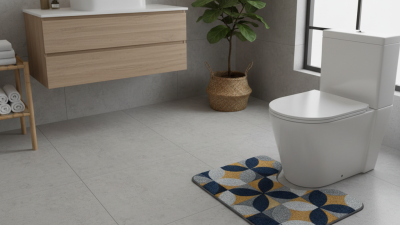
What is an Anti Slip Mat Carpet and Why You Need It?
In the realm of home and industrial safety, the importance of an Anti Slip Mat Carpet cannot be overstated. According to the National Safety Council, slips, trips, and falls account for 27% of all workplace injuries. This statistic emphasizes the need for effective flooring solutions that enhance grip and stability. An Anti Slip Mat Carpet serves as a crucial preventive measure in both residential and commercial settings.
These carpets are designed with specialized materials that provide superior traction. They can reduce the risk of accidents, especially in high-traffic areas or places exposed to moisture. In fact, a recent industry report highlighted that implementing anti-slip solutions can decrease slip-related incidents by over 50%. Such data points underline the integral role of Anti Slip Mat Carpets in ensuring safety.
However, not all anti-slip solutions are created equal. Quality varies across manufacturers, and some products fall short of their claims. Therefore, consumers must conduct careful research. Investing in a reliable Anti Slip Mat Carpet is not just about safety; it's about peace of mind in any environment.
What is an Anti Slip Mat Carpet?
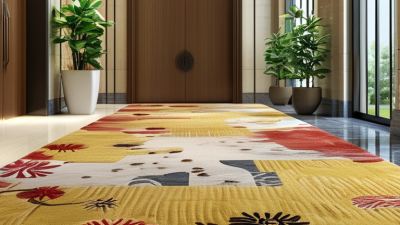
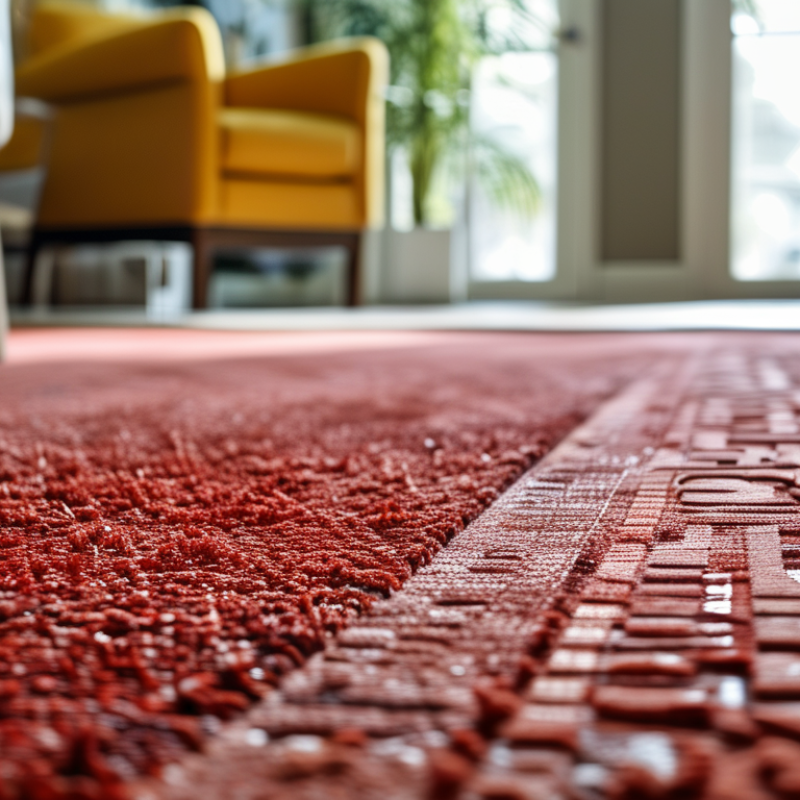
An anti-slip mat carpet is designed to enhance safety in various environments. Unlike standard carpets, these mats offer advanced grip, reducing the risk of slips and falls. Research shows that over 300,000 slip-related injuries occur annually in the U.S. alone. Such statistics highlight the importance of safety measures in homes and workplaces.
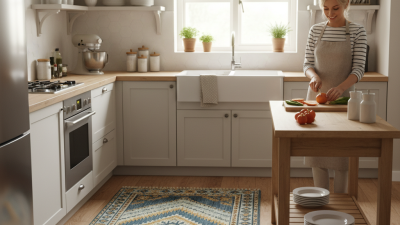
The design of an anti-slip mat often includes specialized materials that provide better friction. Many models feature a rubber backing, which prevents movement on surfaces like tile or hardwood. Industry experts recommend using these mats in high-traffic areas, such as entryways and kitchens. The texture of these carpets also plays a role; the grooves can trap water, minimizing hazards.
However, while anti-slip mats are effective, they are not foolproof. They require regular cleaning to maintain their effectiveness. Dirt or debris can diminish their anti-slip properties, leading to potential accidents. Users should be mindful of this maintenance aspect to ensure ongoing safety in their spaces.
Benefits of Using Anti Slip Mat Carpets
This bar chart illustrates the importance ratings of various benefits of using anti slip mat carpets. The ratings are on a scale from 1 to 5, highlighting safety as the highest priority, followed by durability and ease of cleaning.
The Importance of Anti Slip Mats in Preventing Accidents
Anti-slip mats are essential in many environments, reducing the risk of slips and falls. According to the National Safety Council, slips, trips, and falls account for over 25,000 serious injuries annually in the workplace. These incidents often happen in high-traffic areas where spills or wet conditions occur. Anti-slip mats can significantly decrease these risks by providing traction on slippery surfaces.
In households, anti-slip mats serve a vital role. A study by the American Journal of Public Health indicates that falls in the home can lead to severe injuries, particularly among the elderly. The use of anti-slip materials can lower the incidence of these accidents. Homeowners who invest in quality mats are taking a proactive step in protecting their family members and guests.
Furthermore, the durability of anti-slip mats varies widely. While many provide immediate safety benefits, some may wear down over time, losing effectiveness. Regular inspection and maintenance are necessary to ensure optimal performance. Not all mats are created equal, and some may not meet safety standards. Consumers should seek information on certifications to ensure they are choosing reliable products.
What is an Anti Slip Mat Carpet and Why You Need It? - The Importance of Anti Slip Mats in Preventing Accidents
| Feature |
Description |
Benefits |
| Material |
Typically made from rubber, vinyl, or foam |
Durable and long-lasting, providing consistent slip resistance |
| Surface Texture |
Textured surface to increase friction |
Helps prevent slips and falls in high traffic areas |
| Size Variety |
Available in various sizes and shapes |
Fits different spaces, ensuring coverage where needed |
| Easy Maintenance |
Simple to clean and maintain |
Saves time and effort, ensuring hygiene and safety |
| Cost-Effectiveness |
Affordable compared to potential costs of accidents |
Reduces liability and enhances safety measures |
Types of Anti Slip Mat Carpets Available on the Market
Anti-slip mat carpets have gained significant traction in both residential and commercial settings. Understanding the variations available can help buyers make better choices. The three main types include rubber anti-slip mats, fabric-based mats, and PVC mats. Each offers unique benefits and suitability for different environments.
Rubber anti-slip mats are well-known for their durability and high traction. According to industry reports, rubber mats can reduce slip risks by up to 50% in areas prone to wetness. They are ideal for kitchens and bathrooms. Conversely, fabric-based anti-slip mats, although softer and more aesthetically pleasing, typically have lower slip-resistance ratings. This makes them a more suitable choice for low-traffic areas.
PVC mats are another popular choice. They are often lightweight and easy to clean. Some studies indicate that certain PVC mats can last for years in high-traffic areas, offering prolonged slip resistance. However, consumers should remain aware of performance limitations, especially in extremely wet conditions. Selection should be based not only on material but also the specific use case.
Key Features to Look for When Choosing Anti Slip Mats
When selecting an anti-slip mat carpet, consider its material and functionality. Popular options include rubber, vinyl, and microfiber. Each offers a different level of traction. According to a report by the National Safety Council, slips and falls account for over 30% of non-fatal injuries. Choosing the right mat can significantly reduce these risks in homes and workplaces.
Look for mats with a high coefficient of friction. This measurement indicates how well the mat resists slipping. A mat with a coefficient above 0.5 is generally regarded as effective. Additionally, consider the thickness and durability. Thicker mats often provide better cushioning and grip, especially in high-traffic areas.
Evaluate how easy it is to clean the mat. Some materials attract dirt and moisture, rendering them less effective over time. Regular maintenance is essential. A mat may need to be replaced sooner than expected if it deteriorates quickly. Think about the environment where the mat will be used. A poorly chosen mat may not only fail to prevent slips but could lead to increased hazards in the long run.
Maintenance Tips for Keeping Your Anti Slip Mat in Optimal Condition
Anti-slip mats are essential for safety in homes and workplaces. They provide grip on slippery surfaces, preventing accidents. However, to maintain their effectiveness, these mats require regular care.
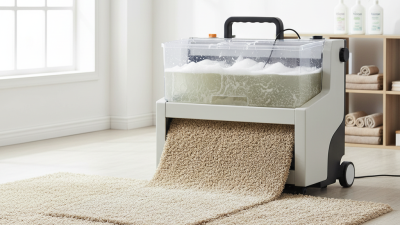
One key maintenance tip is to clean the mat regularly. Dirt and dust can reduce its slip resistance. Use mild soap and water for cleaning. Avoid harsh chemicals, as they can damage the material. Allow it to dry completely. A wet mat can be just as slippery as a bare floor.
Another aspect to consider is placement. Ensure the mat is laid flat on the surface. Bumps or folds can create hazards. If you notice wear or fading, it might be time to replace it. Regularly inspect your anti-slip mat for signs of damage. This will ensure that it continues to provide safety and functionality.