10 Best Geometric Rugs for Living Rooms?
A living room rug can change how a space feels, from anchoring a sofa to making a plain floor look intentional. A crisp black-and-white grid feels graphic, while muted terracotta arcs can soften a room with pale walls. But pattern is only part of the decision. This guide to the 10 best geometric rugs for living rooms considers scale, material, pile height, color, and everyday care. A large motif may suit an open room but look crowded beside a compact loveseat. Likewise, a low pile is often easier to clean, though it may feel less plush under bare feet. We also consider how each style might work with common furniture layouts, not just styled product photos.
The right Geometric Rug should fit the room and the way you use it. Before choosing a design, measure the seating area and check whether the rug can sit beneath the front legs of your furniture. Small details matter. Materials affect texture, upkeep, and how a rug may wear over time, so product specifications deserve a close look. Still, no single pick will suit every home; lighting, pets, children, and personal taste can change what feels practical. Use this roundup to compare distinct patterns and useful features, then check current dimensions and care instructions before buying. A little planning can help a striking design feel settled rather than accidental.
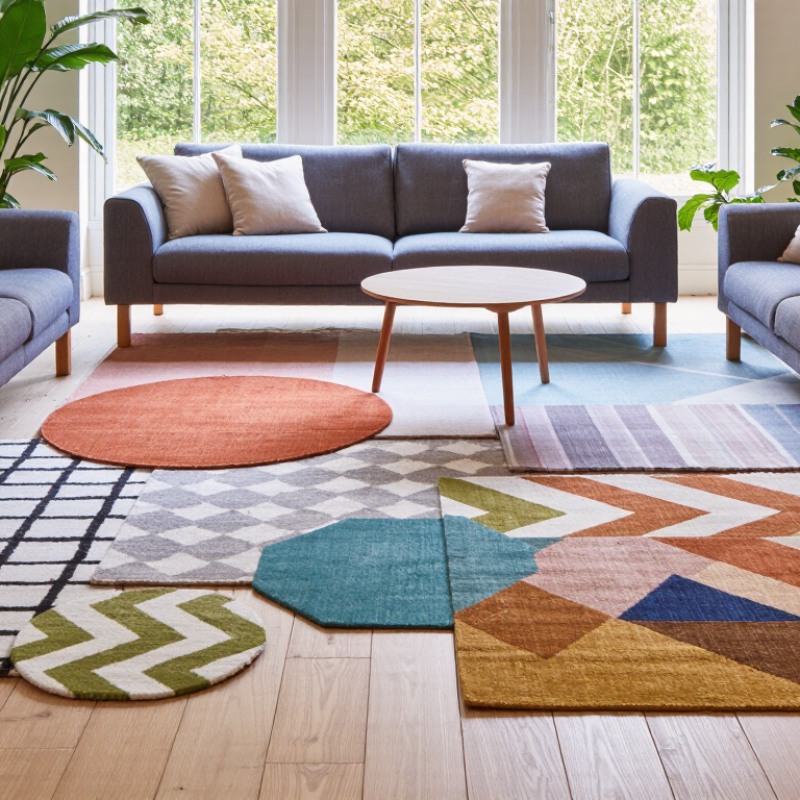
What Defines a Geometric Rug for a Living Room?
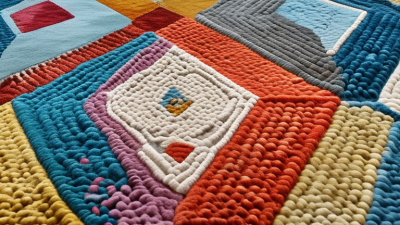
A geometric rug uses recognizable shapes, lines, grids, or repeated motifs as its main visual structure. Circles, diamonds, stripes, and angular blocks all qualify. The pattern may be symmetrical, but it does not have to be. What matters is that the shapes create a deliberate rhythm across the rug rather than appearing as isolated decoration.
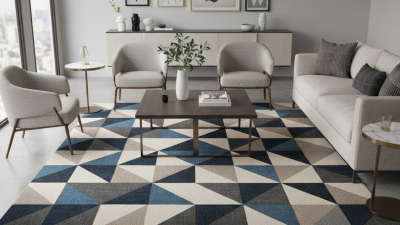
In a living room, scale and contrast help define how that geometry reads. A large, high-contrast grid can anchor a sofa and coffee table, while small, low-contrast shapes may feel quieter underfoot. Check how the pattern aligns with furniture: a table can hide its center, and a rug that stops just short of the sofa may make the layout feel accidental. Small mismatches happen. They are worth noticing.
Material changes the effect, too. A flat weave keeps crisp lines visible; a deeper pile can soften edges and make a bold pattern feel less exact. Grand View Research estimated the global carpet and rugs market at $51.98 billion in 2023, with projected growth of 4.8% annually through 2030. That market estimate describes the category, not a design rule. A geometric rug still needs to suit the room’s proportions, colors, and daily use.
10 Best Geometric Rugs for Living Rooms: Common Rug Sizes
What defines a geometric rug? It features patterns built from shapes such as lines, grids, triangles, diamonds, or circles. Choose a rug size to suit your seating area; the chart compares common dimensions by surface area.
Surface area is calculated by multiplying each rug’s listed length by its width. Dimensions are shown in feet.
Key Factors for Choosing the Right Geometric Rug
10 Best Geometric Rugs for Living Rooms?
Key Factors for Choosing the Right Geometric Rug
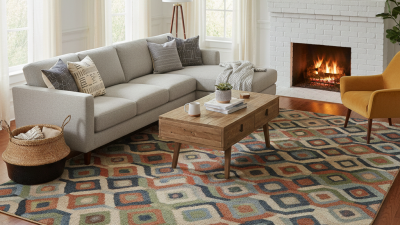
Before choosing a pattern, measure the seating area, not just the empty floor. A rug should usually sit beneath the front legs of sofas and chairs, tying the arrangement together. Leave a visible strip of flooring around its edges. Measure twice. A rug that looks generous online can feel cramped beside a coffee table.
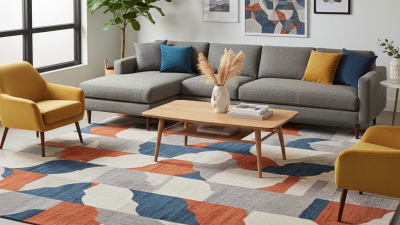
Consider how the rug’s shapes interact with existing lines. A room with striped curtains, checked cushions, and angular furniture may feel visually crowded under a bold pattern. In a quieter room, larger diamonds or broad arches can add definition without requiring more décor. Match one or two colors to details already present, such as a clay-colored cushion or a dark wood frame. Exact color matching is rarely necessary.
Think about daily use, too. Low-pile rugs are generally easier to vacuum and move chairs across, while thicker piles can feel softer underfoot. Check the care instructions and choose a construction suited to the room’s traffic. That matters. A pale rug near a frequently used doorway may need more cleaning than expected. I’d also leave room for uncertainty: lighting can shift a rug’s color, so view a sample at different times of day when possible.
Ten Geometric Rug Styles for Different Living Room Looks
A geometric rug can give a living room structure without making it feel formal. A low-contrast checkerboard suits a quiet, modern space, while a fine grid adds order beneath a glass coffee table. Broad stripes can make a narrow room appear wider when they run across its shorter dimension. A diamond lattice brings a softer, traditional rhythm, especially in muted rust or sage.
Hexagon patterns feel crisp and architectural, but small repeats may look busy across a large floor. Oversized circles create a playful focal point under a round table. Chevron designs add movement; their angled lines work well with simple sofas and plain curtains. Abstract linework offers a looser option, like hand-drawn paths in charcoal over an ivory ground. Small rooms need restraint.
A Moroccan-inspired trellis pattern adds layered detail without relying on sharp contrasts. Nested squares can echo a room’s clean furniture lines and make the seating area feel neatly framed. Consider the rug’s scale, pile, and actual use: a low pile is easier to move chairs across, while a thicker texture feels softer underfoot. I would not force a pattern to match every cushion. A rug can look elegant online yet feel restless beside a busy sofa, and that mismatch is easy to underestimate.
How to Match Rug Size, Pattern, and Color to Your Space
Start with the seating footprint, not the rug’s printed dimensions. For a sofa and two chairs, aim for a rug that lets at least the front legs rest on it. This ties the group together. In a compact room, leave roughly 8–12 inches of visible floor near the walls when possible. Measure twice. Oddly shaped rooms may need a smaller rug than expected; the walkway matters more than perfect symmetry. Use painter’s tape to mark the outline and check whether doors still swing freely.
Let the room guide the pattern scale. Large diamonds or bold zigzags can anchor plain furniture, while fine lines often feel calmer in a busy room. Too many competing shapes can make even a spacious living room feel restless. Color needs a similar balance: pull one rug shade from a cushion, curtain, or piece of art, then let the other colors add contrast. A warm cream pattern can soften gray flooring; deep blue or rust can define a pale seating area. Check a sample in morning and evening light. Colors shift. And a favorite pattern may look surprisingly loud across a full floor, so trust the taped outline and your own eyes more than a screen.
How to Place and Care for a Geometric Living Room Rug
A geometric rug can anchor a living room, but its placement matters as much as its pattern. Position the rug beneath the main seating group, ideally with the front legs of sofas and chairs resting on it. This links separate pieces without hiding the floor entirely. Leave a visible border of flooring around the rug; in many rooms, about 12 to 18 inches works well, though doorways and room shape may require adjustments. Align the pattern with the seating area, not automatically with the walls. Perfect symmetry is not always better.
Tips: Use a rug pad to reduce slipping and help limit wear. Vacuum regularly, following the rug’s care label, and blot spills promptly with a clean cloth. Avoid rubbing; it can push liquid deeper into the fibers. Test any cleaner on a hidden area first. A geometric pattern may disguise small marks, but it can also make crumbs harder to spot.
The U.S. Environmental Protection Agency reports that concentrations of some indoor pollutants are often two to five times higher indoors than outdoors. That figure does not mean a rug causes poor air quality, but it supports a sensible dust-removal routine. For a deeper clean, follow the material-specific instructions or consult a qualified rug-care professional. I would also check the pad after moving furniture; it can shift more than expected.