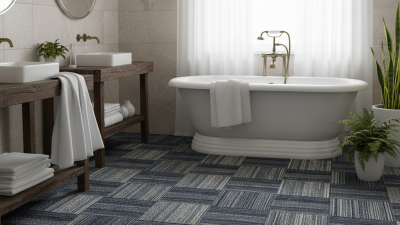
What Is the Best Hallway Carpet for High Traffic Areas?
What Is the Best Hallway Carpet for High Traffic Areas? The right choice should handle daily wear, stay comfortable underfoot, and look good beyond the first few months. A hallway sees grit from shoes, rolling suitcases, pets, and repeated turns near doorways. Small details matter. A dense, low-pile carpet often resists crushing better than a plush style, while a durable fiber can make routine cleaning easier. Still, no material is perfect for every home.
This guide explores how to choose Hallway Carpet for busy spaces, including pile, fiber, color, and installation. We’ll look at practical options such as wool and synthetic fibers, along with features that can reduce visible wear. A close-up may look appealing in a showroom, but it tells you little about how a carpet handles muddy footprints or years of foot traffic. Ask for a sample, check its texture in natural light, and review the manufacturer’s care instructions. Test it at home.
There are trade-offs. Dark colors can disguise some marks but may show pale lint; patterned designs can soften the look of everyday dirt, yet may not suit every interior. Even a robust carpet needs regular vacuuming and prompt attention to spills. These choices deserve a little thought. The best fit depends on your household, hallway width, cleaning habits, and budget—not just a durability label. One caution: online descriptions rarely capture how a carpet feels underfoot, so verify samples and specifications before deciding.
How Hallway Traffic Affects Carpet Performance
What Is the Best Hallway Carpet for High Traffic Areas?
How Hallway Traffic Affects Carpet Performance
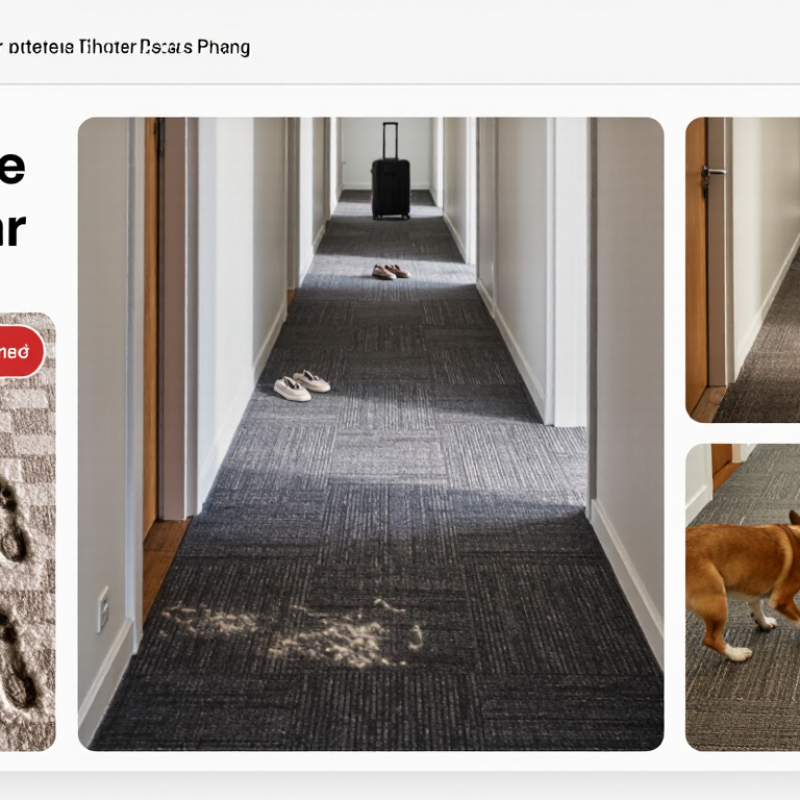
Hallway traffic is concentrated, not evenly spread. Shoes repeatedly press the same narrow path, carrying grit that works between carpet fibers like fine sandpaper. Over time, pile can flatten, colors may look dull, and edges near doorways often show wear first. The Carpet and Rug Institute’s maintenance guidance recommends more frequent vacuuming in heavy-traffic areas than in lightly used rooms. That matters: removing grit early helps limit abrasive damage, though it cannot prevent every dent or stain.
Carpet performance also depends on construction. Dense, low-pile options generally recover better from repeated compression than tall, loose pile. For product comparisons, look for documented appearance-retention testing. ASTM D5252, the Hexapod Tumbler test, repeatedly agitates carpet samples and assesses changes in appearance. It offers a useful comparison, not a guarantee of how many years a hallway will look new. Real traffic, grit, pets, and cleaning habits vary. And honestly, a pale carpet can look worn sooner even when its fibers remain sound.
Tips: Vacuum busy hallways daily when practical, especially beside entrances. Use a walk-off mat to catch grit, and rotate runners if the hallway allows it. Ask for test results and care instructions before buying; a soft sample feels convincing, but it tells you little about long-term performance.
Carpet Fibers That Withstand Frequent Use
For a busy hallway, nylon is often a dependable choice because its fibers spring back after repeated footsteps. Look for a dense, tightly twisted pile; fiber type alone does not determine durability. A low pile also gives grit fewer places to settle. That matters near an entrance, where fine sand can act like sandpaper under shoes.
Solution-dyed nylon can resist fading and make some stains easier to manage, though no carpet is stain-proof. Check the care instructions before choosing. Olefin resists moisture and can suit some homes, but it may flatten sooner under constant foot traffic. Polyester can feel soft and offer rich color, yet it is generally better suited to lighter-use areas. Wool has natural resilience, but it needs attentive cleaning and may not fit every household’s maintenance routine. Small trade-offs matter.
Ask for the carpet’s face-fiber details, pile density, and wear rating, then compare samples under strong light. Press a sample with your thumb and see how quickly the pile recovers. It is a useful check, not a guarantee. I would also consider who uses the hallway: pets, muddy shoes, or a wheeled bag can change what “durable” means. A sturdy fiber still needs regular vacuuming; trapped grit can wear down the pile over time.
Best Hallway Carpet Fibers for High-Traffic Areas
Nylon is a strong all-around choice because it resists wear and recovers well from compression. Triexta is also resilient; wool can perform well with proper care. These ratings are a qualitative guide, not standardized test results. Carpet construction, pile density, and maintenance also affect durability.
Pile, Density, and Construction for Busy Hallways
In a busy hallway, carpet failure usually starts at the surface. Short, dense pile handles repeated footsteps better than tall, loose fibers. I have seen plush carpet show crushed paths beside elevators within months. Low pile is easier to vacuum and less likely to catch wheeled carts. It can feel less luxurious. That trade-off matters.
Density describes how closely fibers sit together. Higher density usually improves resilience, but density alone does not guarantee performance. A tightly packed cut pile may still reveal wear if its backing flexes under traffic. Check samples by bending them and pressing the surface with your thumb. The fibers should recover rather than stay flattened. This simple test helps, though it is not a laboratory measurement.
Construction also changes how a hallway ages. Loop construction can hide footprints and soil, especially near entrances exposed to rain. However, a snagged loop may worsen when furniture drags across it. A low-level patterned texture can disguise tracking without becoming visually noisy. Tufted carpets offer practical installation and repair options, while heavier woven construction may provide greater dimensional stability. The choice depends on traffic, cleaning routines, and subfloor movement.
For high-use corridors, specify commercial-grade backing, secure seams, and moisture-resistant protection near doors. Ask for independent abrasion and flammability data from the supplier. Do not rely only on a showroom sample. Hallway lighting can make subtle flattening obvious. I would test a larger sample under actual lights and walk across it for a week. My earlier choices focused too much on appearance; maintenance access mattered more than expected. A carpet that cleans quickly often outperforms a softer one that looks impressive on day one.
Safety, Stain Resistance, and Maintenance Considerations
What Is the Best Hallway Carpet for High Traffic Areas?
Safety, Stain Resistance, and Maintenance Considerations
A high-traffic hallway needs carpet that supports safe movement every day. Low, dense piles reduce snagging and help mobility devices roll more smoothly. Carpet tiles can also simplify repairs when one section becomes badly damaged. Safety comes first. Secure edges matter, too, because loose transitions can cause trips.
For stain resistance, consider solution-dyed fibers and a tightly woven surface. These materials often handle tracked-in coffee, mud, and cleaning chemicals better than delicate alternatives. However, no carpet is completely stain-proof. I have seen small spills become permanent marks when staff waited until the next shift. A clear maintenance response plan is more valuable than exaggerated product claims.
Daily vacuuming removes grit before it cuts into the fibers. Place absorbent entrance mats outside and inside the hallway, especially during wet weather. Clean spills with a neutral solution, a white cloth, and gentle blotting. Avoid aggressive scrubbing, which can spread stains or damage the pile. Schedule professional extraction based on traffic, not a fixed calendar alone. In one busy corridor, monthly cleaning worked well; another needed it weekly. I would also test cleaning products in a hidden area first, because even practical choices can produce unexpected color changes.
What Is the Best Hallway Carpet for High Traffic Areas? – Safety, Stain Resistance, and Maintenance Considerations
| Carpet Type |
High-Traffic Suitability |
Safety Considerations |
Stain Resistance |
Moisture Tolerance |
Maintenance Demand |
Expected Service Life* |
Best Application |
| Solution-Dyed Nylon |
Excellent |
Low-pile, dense construction can provide stable footing; use a secure, non-slip backing. |
Excellent |
Good; dries relatively quickly when properly extracted |
Moderate |
10–15 years |
Busy residential corridors, offices, schools, and public buildings |
| Wool |
Very good |
Naturally resilient with good comfort underfoot; avoid loose rugs and unsecured edges. |
Good; natural fiber can absorb spills if not treated promptly |
Fair; prolonged dampness may encourage odor or mildew |
High |
10–20 years |
Premium interiors where appearance, comfort, and natural materials are priorities |
| Polypropylene |
Good |
Use a firm, low-profile product with a tested slip-resistant backing; softer piles may flatten. |
Very good for many water-based stains |
Excellent; low moisture absorption |
Low to moderate |
5–10 years |
Entryways and areas exposed to moisture where value and easy cleaning matter |
| Polyester |
Fair to good |
Choose a dense, low-loop construction; some products can show crushing in concentrated traffic. |
Very good against many household stains |
Good; resists water absorption but still requires prompt drying |
Low to moderate |
5–10 years |
Moderately busy corridors with a limited installation budget |
| Commercial Carpet Tile |
Excellent |
Low-profile tiles reduce snagging; install securely and manage transitions between floor surfaces. |
Good to excellent, depending on fiber and treatment |
Good; damaged or heavily soiled tiles can be replaced individually |
Low to moderate |
8–15 years |
Commercial hallways, schools, healthcare facilities, and multi-purpose buildings |
Selection guidance: For most high-traffic hallways, dense low-pile solution-dyed nylon or commercial carpet tile provides the best balance of durability, safety, stain resistance, and serviceability. Select a product with secure installation, low-profile edges, a tested slip-resistant backing, and a color or pattern that helps conceal everyday soil.
*Service-life ranges are indicative and vary with foot traffic, soil load, fiber quality, installation, cleaning frequency, and the manufacturer’s care instructions.
Choosing Carpet for Your Hallway’s Specific Needs
What Is the Best Hallway Carpet for High Traffic Areas?
Choosing Carpet for Your Hallway’s Specific Needs
A hallway needs carpet that handles repeated footsteps without looking tired. Dense, low-pile carpet usually performs better than soft, deep styles. Its tight surface resists crushing and allows easier vacuuming. Choose solution-dyed fibers when spills, muddy shoes, or pets are common. They often provide stronger stain resistance and better color retention. Dark colors hide marks, but medium patterns can disguise dust more naturally. Consider the hallway’s light, too. A narrow, dim corridor may feel smaller with very dark carpet.
Tips: Check carpet samples near your hallway lighting. Walk across them in socks and shoes. Press the pile with your hand. If it stays flat, reconsider it. Ask for a dense cushion that supports daily traffic without feeling overly soft. Keep extra material for future repairs. Matching older carpet can be surprisingly difficult.
Moisture changes the choice. Near an exterior door, select a carpet that dries quickly and use a durable entrance mat. In homes with children, avoid highly textured surfaces that catch toys and crumbs. For pets, shorter piles make hair removal less frustrating. Secure installation matters as much as the carpet itself. Loose edges create trip risks and wear quickly. Vacuum high-use paths several times weekly, then clean spills promptly. I have found that even excellent carpet fails when grit stays trapped beneath the pile. One practical mistake is choosing comfort over density. It feels appealing at first, but busy hallways reveal that decision quickly.