- Home
- About Us
- Products
- News
- Blog
- Contact Us
Leave Your Message
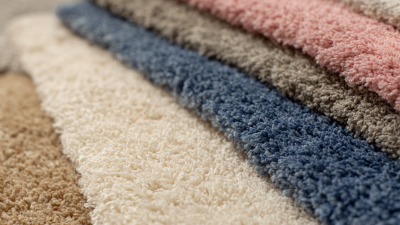
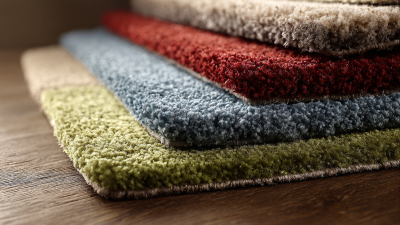
Choosing the best office carpet manufacturer in China takes more than comparing prices or browsing polished product photos. A dependable supplier should explain fiber options, pile construction, backing, durability, and cleaning requirements in plain terms. Ask for product samples and technical documents, then inspect how the carpet feels underfoot and looks under office lighting. Small details matter. A shade that appears cool online may look warmer beside a meeting-room window.
For a Carpet Office project, assess more than the material itself. Confirm production capacity, customization options, sample approval steps, packaging, delivery estimates, and after-sales support. Request clear answers about testing methods and product specifications, and compare the same details across shortlisted manufacturers. If possible, speak with buyers who have managed similar installations. Their experience may reveal whether communication stayed consistent after an order was placed. That matters.
No single manufacturer is best for every workplace. A busy reception area, a quiet executive room, and an open-plan floor can require different carpet designs and performance priorities. Even a careful comparison can miss something; sample colors and full-room results do not always match perfectly. That is worth considering. This guide looks at practical ways to evaluate Chinese office carpet manufacturers, weigh their strengths, and choose a supplier whose documented capabilities fit your project.
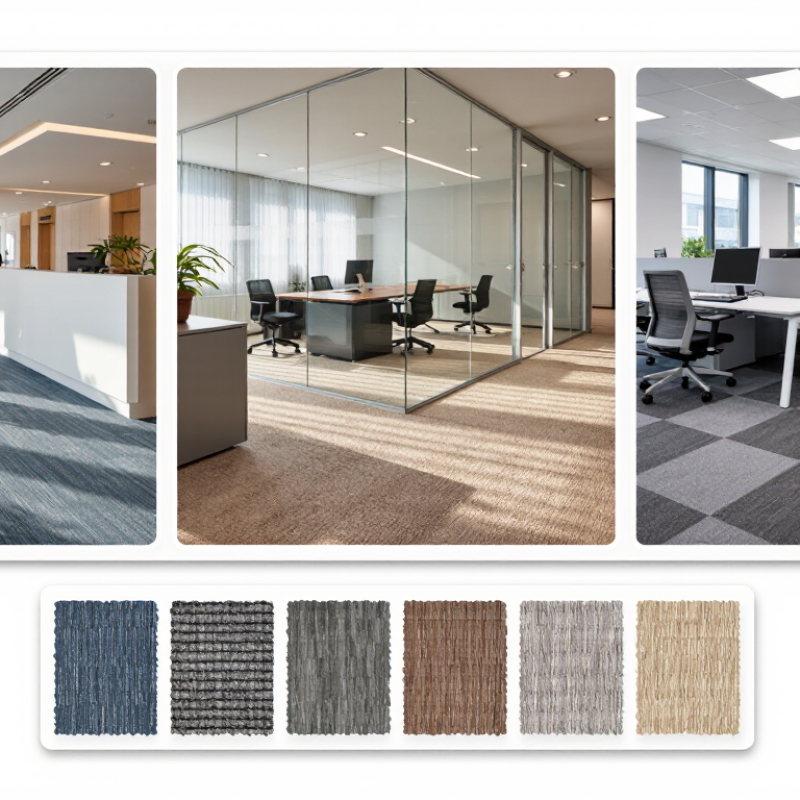
An office carpet manufacturer in China is a producer that converts carpet yarn and backing materials into flooring for workplaces. Its work may include tufting or weaving, dyeing, backing, trimming, and quality checks. Some factories handle most stages in-house; others outsource parts of production. The term alone does not prove a supplier owns a factory.
The market context is substantial. Grand View Research’s Carpet and Rugs Market Size, Share & Trends Analysis Report estimated the global carpet and rugs market at US$51.71 billion in 2023, with a projected 4.0% compound annual growth rate from 2024 to 2030. This figure covers more than office flooring, so it should not be treated as an office-carpet forecast. For buyers, practical checks matter more: request a production sample, confirm pile height and backing, and ask how batches are inspected. A sample may look different under cool office lighting. That detail is easy to overlook.
Tips: Ask for factory details, test reports, and written specifications. Check seams, color consistency, and how a sample responds to rolling chair casters. A polished sample is useful, but it cannot reveal every production variation.
| Evaluation criterion | Suggested weight | Evidence to request | How to assess |
|---|---|---|---|
| Durability for the intended traffic level | 20% | Product construction details, wear-testing information, and recommendations for the project’s expected foot traffic. | Prefer products supported by relevant test data and suited to the actual use area, such as corridors, meeting rooms, or workspaces. |
| Indoor air quality and material transparency | 15% | Current emissions or indoor-air-quality test reports, where applicable, plus clear information on fiber, backing, and adhesives. | Check that reports identify the tested product and are relevant to the destination market and project requirements. |
| Fire performance documentation | 15% | Fire-test reports or certificates for the proposed carpet construction, tested to requirements applicable to the project location. | Confirm the tested construction matches the offered product; do not rely on a general claim without supporting documentation. |
| Product specification clarity | 15% | Written specifications covering carpet type, fiber, pile or surface construction, backing, available formats, and installation guidance. | Compare like with like and ensure quotations specify the same product construction and accessories. |
| Quality control and consistency | 10% | Quality-control procedures, batch identification, inspection records, and a process for handling defects or out-of-specification goods. | Look for documented checks and traceability from approved sample to production batch. |
| Customization and sampling | 10% | Physical samples, color options, pattern capabilities, customization limits, and written sample-approval procedures. | Confirm the approved sample can be matched in production and record the selected color and construction in the order documents. |
| Delivery planning and supply continuity | 5% | A written production schedule, stated lead time, packaging details, and confirmation of how additional matching material may be ordered. | Assess the schedule against the project timeline and clarify how delays or short shipments will be handled. |
| Warranty and after-sales support | 10% | Written warranty terms, exclusions, claim process, and guidance on maintenance and installation requirements. | Compare coverage and exclusions carefully; confirm who is responsible for installation-related claims. |
| Total suggested weighting | 100% | Use the same criteria and evidence requirements for every supplier under consideration. | |
Scoring method: Rate each criterion from 0 to 5, where 0 means no satisfactory evidence and 5 means strong, relevant, verifiable evidence. Multiply each rating by its suggested weight to compare suppliers. This is a buyer’s evaluation framework, not a market ranking; the best choice depends on the project’s specifications, location, budget, and verified supplier documentation.