How to Choose the Best Loop and Pile Carpet for Your Space?
When selecting the perfect flooring, the choice between loop and pile carpet can be overwhelming. Each type offers unique characteristics and merits. Understanding these distinctions is vital to enhance your space effectively.
Loop and pile carpet varies significantly in texture and durability. Loop carpets consist of uncut loops, creating a durable surface. They are ideal for high-traffic areas. In contrast, pile carpets feature cut fibers, providing a softer feel underfoot. This makes them a cozy choice for bedrooms and living rooms. Beyond aesthetics, the right carpet can impact your home's ambiance and comfort levels.
Budget and style preferences will influence your decision. Not everyone opts for the most expensive option, and sometimes the best choice is a balance between cost and quality. Consider how different styles interact with your existing decor. Reflecting on these elements can lead you to a more satisfying choice for your space.
Understanding Loop and Pile Carpet Types
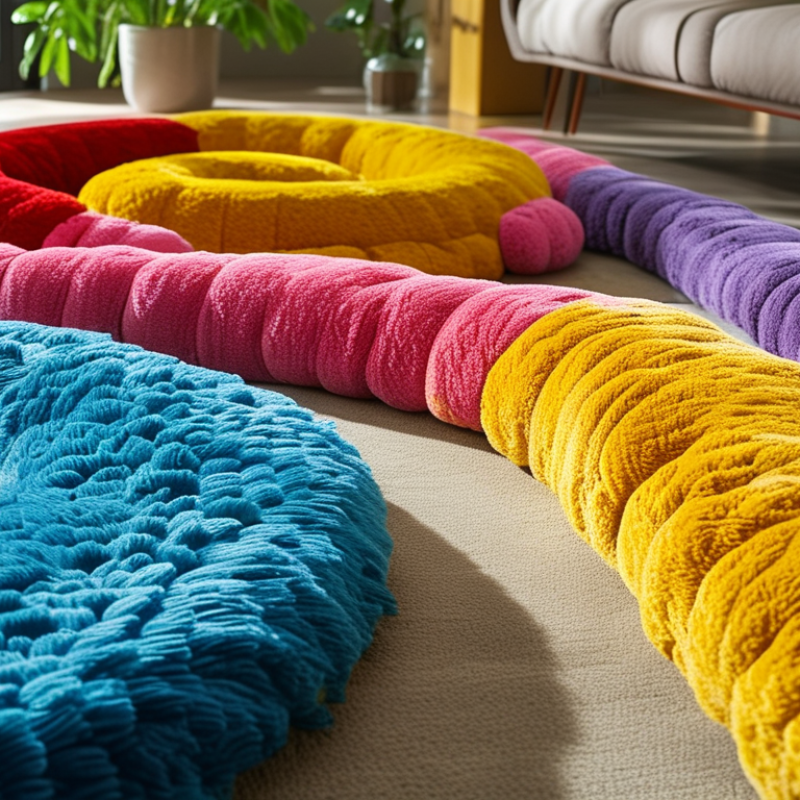
When selecting the best loop and pile carpet for your space, understanding the types is crucial. Loop carpets consist of uncut loops that create a textured surface. They are durable and work well in high-traffic areas. Their low profile makes cleaning easier. Pile carpets, on the other hand, have cut fibers that provide a softer feel. This makes them comfortable underfoot, ideal for bedrooms and living rooms.
Each type serves different purposes and aesthetics. Loop carpets withstand wear, perfect for homes with pets. Yet, their texture may not suit everyone's taste. Pile carpets enhance comfort, but they can show footprints and dirt more easily. The choice hinges on lifestyle and the specific area of your home. Reflect on your priorities—durability or comfort? Each option presents unique challenges, but understanding these details helps in making an informed decision.
Comparison of Loop and Pile Carpet Types
Evaluating Carpet Durability and Maintenance Needs
When choosing loop and pile carpets, durability and maintenance are key factors. Loop carpets tend to be more resistant to wear and tear. They offer a tight weave, which can handle foot traffic well. On the other hand, pile carpets provide a softer feel, but can show signs of wear faster. Understanding the material used in each type is crucial for long-term satisfaction.
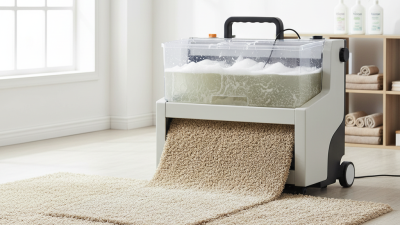
Regular maintenance is essential for both carpet styles. Vacuuming should be done at least once a week. This keeps dirt from embedding and extends the life of your carpet. Spot cleaning any stains immediately can prevent lasting damage. However, some stains still require professional cleaning. It's a balancing act.
Tips: Choose a darker color for high-traffic areas. Light colors show dirt quickly and require more frequent cleaning. Consider your lifestyle when selecting carpet types. Families with children and pets may prefer loop carpets for their durability. Reflect on your daily activities and how they may impact your flooring investment.
Choosing the Right Texture for Your Space
When selecting carpets for your space, texture plays a crucial role.
Loop and pile carpets present distinct textures that cater to different needs and preferences.
Loop carpets have a tight weave, creating a durable and low-profile surface. This texture often works well in high-traffic areas, providing a practical yet stylish option.
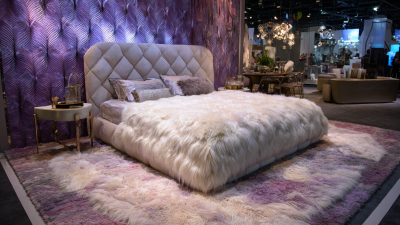
On the other hand, pile carpets offer a softer and more luxurious feel. The longer fibers create a plush surface that is inviting underfoot. They can make a room feel cozy but may require more maintenance.
Consider how each texture aligns with your lifestyle. Are you ready to commit to regular cleaning?
The choice also hinges on the room's purpose. In dining areas, loop carpets can hide spills more effectively. In living rooms, a soft pile may enhance comfort for family gatherings.
Think about both aesthetics and functionality. Ultimately, a well-thought-out texture can elevate your space.
How does your choice reflect your personal style? Reflect on that as you make your decision.
Assessing Color and Design Compatibility
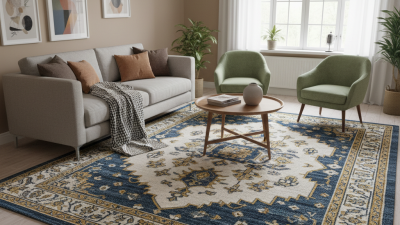
Choosing the right loop and pile carpet involves a detailed assessment of color and design compatibility. The flooring impacts the entire ambiance of a room. According to the National Floorcovering Association, nearly 30% of homeowners feel overwhelmed by color selection. Your carpet should harmonize with existing decor. This requires careful consideration of patterns, textures, and hues.
Neutral tones often provide versatility, allowing for easy coordination with various design styles. In fact, research from the American Society of Interior Designers indicates that 70% of interior designers prefer neutral carpets. However, bright colors can serve as focal points. They can uplift a space but may clash with other elements. Thus, attempting bold choices requires additional thought.
Visualizing your space with samples can reveal compatibility issues. Lighting can alter how colors appear, affecting your carpet choice. A carpet that looks ideal in a showroom might not translate the same at home. It's crucial to remember personal taste is subjective. Seeking input from friends or professionals can refine your decision-making process. Ultimately, your carpet should not only please the eye but also resonate with your lifestyle and values.
Considering Budget and Installation Options
When considering budget for loop and pile carpets, many factors come into play. On average, carpet costs range from $2 to $10 per square foot, depending on materials and pile height. According to industry studies, the installation costs may account for 50% of the total expense. Homeowners should get at least three quotes to ensure they are not overpaying. Skimping on professional installation may lead to issues like uneven seams or premature wear.
Installation methods can vary, affecting both budget and durability. For example, direct glue-down installations may be cheaper but can lead to greater repair costs down the line. Meanwhile, more traditional stretch-in methods often enhance longevity. A study from the Carpet and Rug Institute suggests that well-installed carpets last up to 30% longer than poorly installed ones.
Another point to consider is the carpet's lifespan. Significant initial savings can be enticing, but lower-quality options often need replacement sooner. Data shows that investing in mid to high-range carpets may yield a better long-term value. Budgeting wisely now could prevent future expenditures and ensure satisfaction with your flooring choice.