Leave Your Message

How to Choose the Best Faux Fur Carpet?

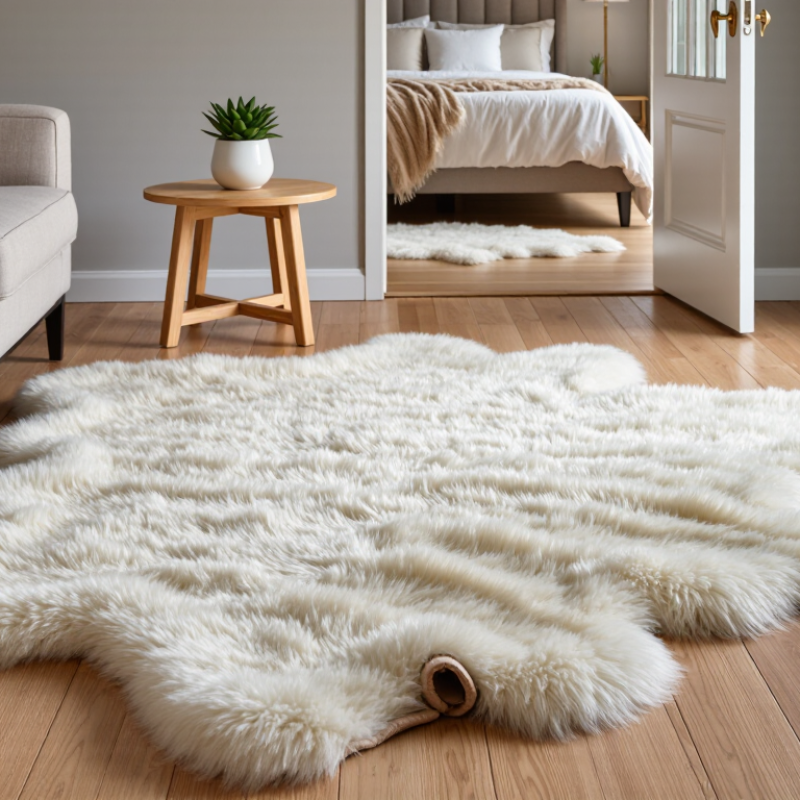
Choosing the best Faux Fur Carpet involves more than matching a color to your room. A soft surface may look luxurious online, yet feel thin, shed fibers, or slide across polished flooring. A careful choice begins with daily use, room size, lighting, and cleaning habits. A bedroom rug needs different performance from one placed beside a busy sofa.

Start by examining the pile closely. Dense fibers usually create a fuller appearance and resist flattening better. Run your hand across the surface. Does it recover quickly? Check the backing, too. A strong, non-slip backing can improve stability, especially on wood or tile. However, no backing replaces a properly sized rug pad. Safety deserves attention.

Material quality also matters. Look for clear fiber information, care instructions, and dependable supplier details. Products with recognized textile safety testing can offer greater confidence, though certification names should be verified independently. Avoid relying only on dramatic product photos. Screens can change the apparent shade.

Consider maintenance honestly. Faux fur can collect dust, crumbs, and pet hair within its long fibers. Shake smaller rugs outdoors when practical, then follow the manufacturer’s washing guidance. Some carpets tolerate gentle machine washing; others lose softness quickly. I once assumed a thicker pile meant better quality. It did not. The backing curled after cleaning, and the rug became difficult to place. That mistake still matters.

The ideal Faux Fur Carpet balances comfort, appearance, durability, and responsible care. Compare samples when possible. Notice the texture under real lighting. A beautiful rug is not the best choice if it cannot handle your everyday life.
How to Choose the Best Faux Fur Carpet?

Classify Fiber Types and Pile Heights: Polyester, Acrylic, and 20–50 mm

Choosing faux fur starts with the fiber, not the showroom shine. Polyester is usually the practical choice for busy rooms. Textile Exchange’s 2024 Materials Market Report estimated global fiber production at 124 million tonnes in 2023, with polyester remaining the largest fiber category. It offers stable color, easy cleaning, and reliable shape retention. Acrylic can feel warmer and more wool-like. However, it may flatten faster under repeated pressure. Check the backing, too. A soft surface cannot correct weak construction.

Pile height changes the entire experience. A 20–30 mm pile gives a neat profile and suits hallways, reading corners, and dining areas. It is easier to vacuum. A 35–40 mm pile feels noticeably deeper under bare feet. It needs more frequent grooming, especially near sofas. At 45–50 mm, the rug creates a dramatic, cloud-like effect. Dust and crumbs can hide below the tips. The Carpet and Rug Institute’s maintenance guidance emphasizes regular vacuuming and prompt spill removal for textile floor coverings.

I once preferred the longest pile because it looked luxurious. That shortcut was wrong. In a small room, 50 mm fibers can visually crowd the floor. For polyester, I would choose 25–35 mm for daily use. For acrylic, inspect shedding and edge recovery carefully. Rub a sample with a white cloth. Bend the pile backward. Weak fibers reveal themselves quickly. Not every fluffy rug is comfortable. Some are simply tall.
Compare Wear Performance with ASTM D4966 and 20,000+ Abrasion Cycles

How to Choose the Best Faux Fur Carpet?

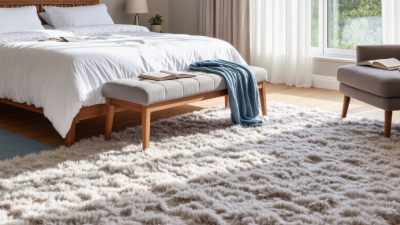
Wear performance deserves more attention than softness alone. A carpet may feel luxurious but flatten quickly under daily walking. ASTM D4966 offers a practical way to compare abrasion resistance using a Martindale testing method. The test rubs fabric repeatedly under controlled pressure. At 20,000 abrasion cycles, weak fibers, loose pile, or unstable backing may become visible. However, this number is not a universal pass-or-fail rule. Test pressure, rubbing material, moisture, and construction can change the result.

Look for a clear laboratory report, not only a marketing claim. It should identify the test method, cycle count, material condition, and visible damage. In my experience, dense pile can hide early backing wear, so inspect both surfaces carefully. Real homes also add spills, pet claws, furniture movement, and uneven foot traffic. Laboratory performance helps, but it cannot predict every room perfectly. That limitation matters.

Tips: Ask whether 20,000 cycles caused color loss, bald spots, matting, or backing exposure. Check the pile recovery after pressing it with your hand. Compare samples after brushing them in different directions. Choose a stronger backing for hallways and entry areas. Softness still matters. Just do not let it make the decision alone.

Verify Flammability and Chemical Safety Under 16 CFR 1630 Standards

When choosing a faux fur carpet, inspect more than its softness and color. Run your fingers through the pile and check whether fibers shed easily. Look underneath for a secure backing, neat edges, and a label identifying the fiber content. A dense, loose-looking surface may feel luxurious, but it can behave differently near heat.

Ask the supplier for current flammability test documentation under 16 CFR Part 1630, the U.S. standard for carpet and rug surface flammability. The report should identify the tested product, construction, production batch, and test result. Do not accept a generic certificate without matching details. A sample can pass while a later material change performs differently. That possibility deserves attention. Keep the carpet away from heaters, fireplaces, candles, and hot lamps, even when testing is documented.

Flammability compliance does not automatically prove chemical safety. Part 1630 primarily addresses surface ignition behavior, not every dye, adhesive, backing compound, or finishing treatment. Request a material disclosure and recent testing for restricted substances relevant to the product and its intended market. Ask whether the backing has a strong odor, especially after unpacking. I once underestimated how noticeable a new textile smell could become in a small room. Ventilation helps, but it is not a substitute for credible supplier information. If documents are incomplete, pause before buying and compare another product with clearer traceability.

Check Colorfastness and Washing Stability with ISO 105-X12 and ISO 6330

Choosing the best faux fur carpet requires more than checking softness. Faux fur commonly uses polyester. Textile Exchange’s Materials Market Report 2024 estimates that polyester represented about 57% of global fiber production in 2023. That scale makes dye migration and surface shedding practical concerns. Check the backing, pile density, and care label before testing. Small details matter.

ISO 105-X12 measures color transfer during rubbing. Test both dry and wet conditions. Place a white test cloth against the pile. Apply controlled pressure, then assess staining with the ISO grey scale system. Dark brown and deep blue fibers deserve extra attention. In my experience, a carpet may pass dry rubbing but mark socks after damp cleaning. That result is easy to miss.

ISO 6330 provides standardized domestic washing and drying procedures. Select the method matching the care label, not the easiest cycle. Test an unused sample, then repeat after washing. Compare color change, backing distortion, pile matting, and edge curl. Textile Exchange’s 2024 report projects global fiber production may reach 160 million tonnes by 2030. Durable performance matters. Still, one laboratory result cannot predict every home. Humidity, detergent, and friction vary. I would request complete test conditions and repeat a small home trial. It may feel overly cautious. It is not always enough.

How to Choose the Best Faux Fur Carpet?

Colorfastness and washing stability can be compared using the ISO 105-X12 crocking method and an ISO 6330 washing procedure. Higher grey-scale ratings indicate better performance.

Ratings use the common 1–5 grey-scale interpretation: 1 = poor and 5 = excellent. ISO 105-X12 evaluates color transfer during dry and wet rubbing. ISO 6330 defines washing and drying procedures; color change after washing is commonly assessed with the ISO 105-A02 grey scale. The sample results shown are representative, non-brand benchmark values for comparison.

Match Room Usage to EN 1307 Carpet Classes 21–33 Before Purchasing

How to Choose the Best Faux Fur Carpet?

Match room usage to EN 1307 before judging softness or appearance. EN 1307 and ISO 10874 classify carpets by traffic intensity. Class 21 suits lightly used bedrooms. Class 22 fits normal living rooms and private studies. Class 23 handles busy hallways, children’s rooms, and active homes. The label can mislead. A luxurious pile does not automatically mean stronger performance.

For offices, studios, or guest areas, consider Class 31 for light commercial use. Class 32 supports general commercial traffic, while Class 33 is designed for heavy commercial areas. These classes reflect tested suitability, not a promise of unlimited durability. The European Committee for Standardization lists abrasion, appearance retention, and construction requirements within EN 1307. Check the full technical sheet, not only the product photograph.

In practice, I would inspect backing stability, pile density, and cleaning instructions beside the class rating. Faux fur can trap crumbs and flatten around a desk chair. That matters. The 2023 Global Floor Covering Industry report from the World Floor Covering Association identifies durability and maintenance as major purchasing concerns across flooring categories. However, broad industry data cannot predict every household. A Class 23 carpet may still disappoint beside a frequently used entrance. For that reason, request test results, installation guidance, and a sample under real lighting before purchasing.

How to Choose the Best Faux Fur Carpet? - Match Room Usage to EN 1307 Carpet Classes 21–33 Before Purchasing

Faux Fur Carpet Selection Guide by EN 1307 Use Class
EN 1307 Class Use Category Typical Traffic Level Suitable Room Applications Faux Fur Carpet Features to Check Cleaning and Maintenance Expectation Purchase Recommendation
21 Moderate domestic use Low or occasional foot traffic Guest bedrooms, lightly used bedrooms, reading corners, decorative areas Soft long pile, stable backing, low shedding, and a non-slip underside for limited-use areas Regular gentle vacuuming; spot-clean spills promptly; avoid aggressive brushing or high heat Choose only when the carpet will not receive frequent walking or wheeled furniture
22 General domestic use Normal household foot traffic Bedrooms, lounges, home offices, dining areas with normal use Moderately dense pile, durable primary backing, colorfast fibers, and edges that resist curling Vacuum routinely using a suitable setting; rotate periodically to reduce uneven wear A practical choice for ordinary residential rooms without unusually heavy traffic
22+ Enhanced general domestic use Normal to moderately heavy household traffic Frequently used living rooms, family rooms, hall-adjacent areas, home offices Tighter construction, resilient pile recovery, strong backing, and secure binding around the perimeter Frequent vacuuming and immediate stain treatment; check whether the care label permits extraction cleaning Useful where class 22 may be insufficient but a commercial-rated carpet is unnecessary
23 Heavy domestic use Heavy household foot traffic Busy living rooms, corridors, stairs where permitted, playrooms, entrance-adjacent spaces Dense and resilient pile, abrasion-resistant fibers, firm backing, anti-slip control, and strong edge finishing Frequent vacuuming is essential; protect from tracked-in grit and follow the manufacturer’s cleaning limits The safest domestic class for active households, provided the faux fur construction is certified for this class
31 Moderate commercial use Light commercial foot traffic Private offices, small meeting rooms, boutique-style low-traffic areas Commercial-use test evidence, durable backing, dimensional stability, and suitable castor-chair performance if applicable Scheduled vacuuming and documented commercial cleaning procedures are normally required Use only when the product documentation specifically confirms commercial classification
32 General commercial use Regular commercial foot traffic Open-plan offices, hotel bedrooms, corridors with moderate traffic, retail areas with controlled use High-wear construction, strong seam and edge performance, resistance to crushing, and appropriate fire classification for the installation Planned daily or frequent maintenance may be needed; use professional cleaning when required by the care instructions Select for regularly used commercial rooms, but verify the pile’s appearance retention before purchase
33 Heavy commercial use Heavy and continuous commercial foot traffic Busy corridors, reception areas, public buildings, high-use offices, and demanding hospitality spaces Verified heavy-commercial test results, robust backing, high dimensional stability, strong seams, and documented fire performance Requires a formal maintenance plan, frequent soil removal, and cleaning compatible with synthetic long-pile fibers Choose only for demanding installations and only when the complete technical file confirms class 33 suitability
Important purchasing check: EN 1307 use classes describe the tested suitability of a carpet product for domestic or commercial use. A faux fur appearance alone does not establish an EN 1307 class. Before purchasing, request the product’s test documentation, confirm the intended installation area, and check separate requirements for slip resistance, fire performance, castor-chair use, and cleaning.