- Home
- About Us
- Products
- News
- Blog
- Contact Us
Leave Your Message
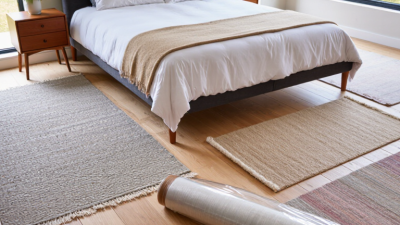
Bedroom Runner Rugs can make a bedroom feel warmer, quieter, and more considered, but the right choice depends on more than color. A runner beside the bed should feel comfortable underfoot and sit securely on the floor. Measure the open space first, including door swings and bedside furniture. A rug that looks generous online may crowd a narrow walkway in real life.
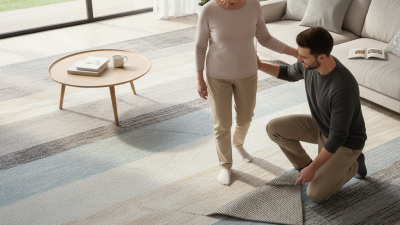
Material affects comfort, upkeep, and how the rug wears. Wool often feels soft and resilient, while cotton can be lighter and easier to move. Synthetic fibers may suit busy rooms, though texture and quality vary by product. Check the care label and pile height, especially if a door passes over the rug or a vacuum needs to glide across it. A rug pad can help reduce slipping, but confirm that it suits your flooring.
Color deserves practical thought, too. Pale shades can brighten a dim bedroom, yet they may show dust or spills sooner. Deep tones can feel grounding, though they sometimes make a small room seem heavier. Match the runner to the bed, curtains, and flooring without demanding an exact color match. That can look overly arranged. There is no single perfect formula; room dimensions, daily habits, and personal comfort all matter. This guide explores how to choose Bedroom Runner Rugs by considering size, placement, material, style, and maintenance, so you can make a choice that works beyond the showroom.
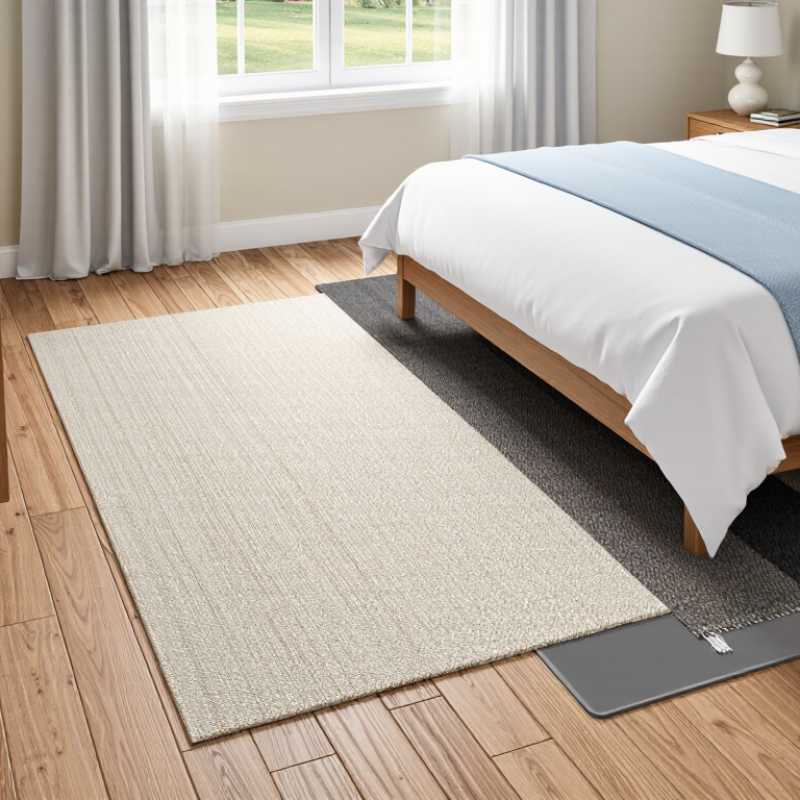
A bedroom runner can create a soft landing beside the bed and protect flooring along a regular walking route. Its purpose should guide its placement. For a single bed, a runner beside the side you use most may be enough. With a larger bed, matching runners on both sides offer a balanced look and make getting up easier. Measure before buying.
Think about how you move through the room. Place the rug where your feet naturally land, rather than centering it by habit. Keep it clear of the door swing, wardrobe doors, and bedside drawers. A runner that bunches under a door or catches a toe can become annoying quickly. Leave enough exposed floor to make the rug look intentional, not squeezed into the space.
Consider the surface beneath it, too. A low-pile runner is often easier to vacuum and less likely to snag under moving furniture. A rug pad can help limit slipping on smooth floors, but check that it suits your floor type. In practice, a perfectly centered rug can still feel awkward if it misses your walking path. Stand beside the bed and notice where your feet land; that small check may matter more than a measured symmetry.
| Placement or Use | Purpose | Practical Size Guide | Placement Tips | Material and Pile Considerations |
|---|---|---|---|---|
| Along one side of the bed | Adds a soft, warm landing spot when getting out of bed and helps define the bedside area. | A common starting point is 2–3 ft wide and 6–8 ft long. Choose a length that covers most of the bed’s side without crowding nearby furniture. | Keep the runner parallel to the bed. Leave a small visible strip of floor between the rug and nightstand legs where practical. | Low- to medium-pile rugs are generally easier to walk on and less likely to catch a door or furniture. |
| Along both sides of the bed | Creates a balanced look and provides a comfortable landing area for both sleepers. | Use two runners of the same size, often around 2–3 ft wide and 6–8 ft long, subject to available floor space. | Align both runners with the bed and leave similar gaps on each side for a symmetrical layout. | Choose matching construction and thickness so the two sides feel and look consistent. |
| Across the foot of the bed | Adds color and texture while providing a soft surface where people step near the foot of the bed. | A runner around 2–3 ft wide can work; its length should suit the bed width and room layout without obstructing walkways. | Center it across the foot of the bed, leaving enough space for drawers, benches, and room traffic. | A durable, easy-to-clean weave is useful in a high-traffic area. Check that the pile does not interfere with a storage bench. |
| On both sides and across the foot | Provides broader floor coverage while keeping more of the bedroom floor visible than one large area rug. | Use a coordinated set of runners sized to the bed and available clearance; allow enough exposed floor to keep the layout visually balanced. | Arrange the pieces so they sit flat and do not overlap. Keep pathways clear around the bed. | Use the same rug construction and similar pile height throughout to reduce uneven edges and tripping points. |
| In a narrow bedside walkway | Softens a hard floor and helps mark a walking route where space is limited. | Measure the usable floor width first. A narrower runner may be more suitable than a standard-width option. | Keep the runner clear of door swings and ensure it does not extend into a doorway or obstruct access to furniture. | Look for a stable backing or pair the rug with a compatible non-slip pad, especially on smooth flooring. |
| For a bedroom with a door near the bed | Adds comfort without interfering with the door or creating a raised edge in a busy route. | Select a low-profile runner that fits the available floor area; measure the door’s clearance before buying. | Open the door fully to check that it passes over the rug without catching or bunching it. | Flatweave or low-pile styles are often easier to fit beneath doors than thick, plush rugs. |
| For a bedside area used by children or older adults | Provides a more comfortable surface while supporting safer movement around the bed. | Choose a size that lies flat within the walking area and does not leave curled or loose edges. | Use a rug pad suitable for the floor type, secure the edges, and keep the route to the door unobstructed. | Prioritize a firm, low pile and a backing or pad that helps limit slipping; inspect regularly for curled edges. |
| For a layered bedroom look | Adds a contrasting color or texture beside a larger rug or under the bed. | Choose runner dimensions that remain visible and do not create an awkward, narrow strip beside the larger rug. | Keep the runner flat and avoid overlapping rug edges, which can create a tripping hazard. | Coordinate pile heights where rugs meet, and use suitable pads to help prevent movement. |
Measuring tip: Measure the open floor around the bed, including clearances for doors, drawers, and walkways. Rug dimensions are starting points rather than fixed rules; room layout and bed size should guide the final choice.