Leave Your Message

How to Choose a Small Kitchen Carpet in 2026?

Choosing a Small Kitchen Carpet in 2026 is not just about matching a trend. It should make everyday cooking more comfortable without creating a tripping hazard or trapping grime. Start by measuring the open floor area, including the space around cabinet doors and appliances. A rug that looks compact online may block a drawer in a narrow kitchen. Measure twice.

Material matters when spills are part of daily life. Low-pile options are generally easier to vacuum, while washable rugs can simplify cleanup after splashes of oil, coffee, or sauce. Check the care label before buying; “washable” does not always mean suitable for every machine. A stable, nonslip backing can help limit movement, but it should still be checked and cleaned as directed. Spills happen.

Think about where you stand most: beside the sink, in front of the stove, or along a narrow prep counter. A cushioned surface may feel welcome during long cooking sessions, yet extra thickness can catch on doors or edges. Color and pattern can disguise small marks, but they cannot replace regular cleaning. That part is easy to underestimate.

This guide explains how to compare size, material, backing, comfort, and maintenance for different kitchen layouts. It also considers budget and durability, so you can judge value beyond the first impression. There is no perfect rug for every home. Your best choice depends on how you cook, clean, and move through the space. A little honest measuring beats a fashionable guess.
How to Choose a Small Kitchen Carpet in 2026?

Assess Your Kitchen Layout, Traffic, and Carpet Placement

How to Choose a Small Kitchen Carpet in 2026?
Assess Your Kitchen Layout, Traffic, and Carpet Placement

A small kitchen carpet should fit the way you move, not just the empty floor. Watch how you walk between the sink, stove, and refrigerator during a normal meal. A narrow runner may suit a galley kitchen, while a compact mat can work near the sink. Keep carpet edges clear of cabinet doors and appliance paths. Even a little overlap can become annoying.

Tips: Mark the planned size with painter’s tape before buying. Walk around it. Open drawers and doors. Check that the edges do not catch your shoes, and use a suitable nonslip backing on smooth flooring.

Think about traffic and cleanup, too. A spot beside the sink may collect splashes, while the route to the refrigerator sees frequent footfall. Low-pile, washable options are often easier to maintain than thick, shaggy ones, but check care instructions and drying needs. Measure the usable floor rather than guessing from a product photo. It is easy to choose a rug that looks right online and feels oversized at home. Leave some bare floor around it, and adjust the placement after a few days of cooking.
How to Choose a Small Kitchen Carpet in 2026

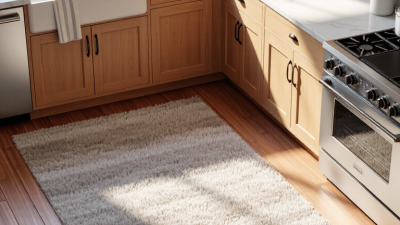
Compare example rug footprints to match the carpet to your kitchen layout and traffic path.

Areas are calculated from the listed dimensions. A compact mat can suit a sink station, while longer runners can cover a galley work path. Measure available floor space first, and keep door swings and walkways clear.

Compare Materials for Stain Resistance, Grip, and Easy Cleaning

For a small kitchen, choose a low-pile carpet that fits beside the sink without catching under cabinet doors. Polypropylene resists many food stains and dries quickly, while nylon usually handles repeated foot traffic better. Cotton feels soft, but it may absorb spills and need more frequent washing. Check the care label before buying; “washable” does not always mean suitable for frequent machine cycles.

Grip matters. The National Floor Safety Institute estimates that slips and falls lead to more than one million U.S. emergency-room visits annually. A rug’s backing and the floor beneath it both affect stability. Look for a non-slip backing, or use a separate rug pad approved for your flooring. Still, no backing stays secure on every surface, especially when greasy droplets reach the floor. That part is easy to overlook.

For easier cleaning, compare stain-treatment claims with care instructions, not just product descriptions. The Carpet and Rug Institute’s Seal of Approval program evaluates carpet-cleaning products for soil removal and related performance. That is useful context, though it does not guarantee that a particular kitchen rug will release every stain. Blot sauce promptly, vacuum crumbs from the edges, and follow the maker’s washing guidance. I would avoid deep, plush fibers near a stove; they can hold crumbs and take longer to dry. A thin rug is less cozy. Sometimes that is the better trade.

Choose a Carpet Size and Shape That Fits the Available Floor Space

In a small kitchen, choose a carpet by measuring the usable floor, not the room’s full dimensions. Mark the area with painter’s tape, then walk through your usual cooking and cleaning routines. Include space for cabinet doors and the dishwasher to open fully. Leave breathing room.

For a narrow galley kitchen, an elongated runner can soften the walkway without covering every inch of floor. Keep it clear of cabinet swings and leave a strip of exposed flooring along the edges. A compact rectangular mat often suits a sink or prep area. Round shapes can soften a tight corner, but check that the curve does not intrude into a busy path. Measure twice.

A practical fit test is to place paper or folded towels where the carpet would sit. Open drawers, pull out a chair, and step around the mock-up with a grocery bag in hand. If the edges catch your feet or block a door, adjust the size or shape. A tidy measurement can still mislead; kitchens are busy, and real movement takes more space than a floor plan suggests.

Evaluate Comfort, Style, and Safety Features for Daily Use

A small kitchen carpet should feel comfortable without becoming an obstacle. If you stand at the sink for several minutes, a thin, cushioned mat can ease pressure on your feet. Low-pile fibers are usually easier to vacuum and less likely to catch crumbs than deep shag. Check the stated dimensions before buying; a rug that nearly fills the floor can crowd cabinet doors. Measure the clear walking area, not just the room.

Comfort matters. So does traction. Look for a non-slip backing, or use a separate rug pad suited to your floor. A loose corner near a dishwasher or cabinet is a trip hazard, especially when your hands are full. Test the rug after placing it: walk across it, open nearby doors, and check that it stays flat. If it slides, it is not ready for daily use.

Choose colors and patterns that work with your cabinets, but consider how they will look after spills. A busy pattern may hide small marks, though it can also make crumbs harder to notice. Washable materials are convenient, but read the care label and check that the rug dries fully before returning it to the floor. I would not assume “easy care” means effortless; grease and dampness still need prompt attention. A little less plush may be the wiser choice in a tight kitchen.

How to Choose a Small Kitchen Carpet in 2026? — Evaluate Comfort, Style, and Safety Features for Daily Use
Carpet Type Comfort and Feel Style and Appearance Daily Care Safety Considerations Best Use in a Small Kitchen
Low-pile polypropylene Firm underfoot with a short, compact surface. Available in solid colors, geometric designs, and varied patterns. Usually easy to vacuum; check the care label for spot-cleaning instructions. Choose a low-profile rug that lies flat, and use a compatible non-slip pad on smooth flooring. High-traffic areas near counters or a kitchen island where easy cleaning is a priority.
Washable cotton Soft and lightweight, though it offers less cushioning than a padded mat. Often suits casual, farmhouse, or simple modern interiors. Some styles are machine washable; confirm washing and drying instructions before purchase. Lightweight rugs can shift or wrinkle. Secure them with a suitable rug pad and lay flat after washing. Small areas near a sink or breakfast nook when the rug can be washed regularly.
Wool, low pile Naturally resilient and comfortable, with a warmer feel underfoot. Offers a textured, natural look and works well with classic or understated décor. Vacuum routinely and blot spills promptly; follow the label for deeper cleaning. Look for a flat, stable construction and use a non-slip pad. Avoid placing it where edges may curl. A lower-spill area where comfort and natural texture matter more than frequent machine washing.
Flatweave synthetic blend Thin and firm, making it easy to move and less bulky beneath a door. Flatweave construction can create a neat, tailored appearance in a compact room. Typically straightforward to vacuum; clean spills according to the product’s care instructions. Because a thin rug may slide on hard flooring, pair it with a correctly sized, floor-compatible grip pad. Narrow walkways, doorways, or places where a thicker pile could obstruct movement.
Cushioned anti-fatigue mat Provides a softer standing surface than a thin decorative rug. Usually has a simple, functional design; select a color that coordinates with the room. Wipe or clean as directed by the manufacturer; keep the surface free of grease and residue. Check that the mat has a stable backing and sits flat. Do not use it if it curls, cracks, or shifts. In front of a sink or food-preparation counter where people stand for extended periods.

Quick sizing guide: A 2 × 3 ft rug (about 61 × 91 cm) can suit a compact sink area; a 2 × 4 ft rug (about 61 × 122 cm) covers a longer work zone; and a 2 × 6 ft runner (about 61 × 183 cm) can fit a narrow galley kitchen. Measure walkways and door clearances before buying. For any rug on hard flooring, use a compatible non-slip pad, keep edges flat, and clean spills promptly.

Check Care Requirements, Durability, and Budget Before Buying

How to Choose a Small Kitchen Carpet in 2026?

In a small kitchen, measure the open floor space and door swing before shopping. A rug that curls under a cabinet door becomes a daily nuisance. Check the care tag for machine-wash instructions, water temperature, and drying limits. “Washable” alone is vague. The Carpet and Rug Institute recommends regular vacuuming, with extra attention to busy areas. Expect crumbs near the table and grease beside the stove; a pale, high-pile rug may show both quickly.

Durability depends on construction and cleaning, not just thickness. Look for a low pile, secure edges, and a backing that stays flat on your floor. ASTM D5252 is a recognized drum-test method for assessing carpet appearance retention; ask whether a product has comparable wear-test information. The 2023 U.S. Bureau of Labor Statistics Consumer Expenditure Survey reports roughly $2,600 in average annual household spending on furnishings and equipment. That broad figure is not a rug-price guide, but it helps put the purchase in context. Set a budget that includes a non-slip pad and replacement costs. I would still check the care label twice; the fine print is easy to miss.