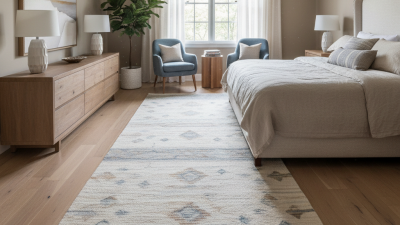
A Large Washable Rug can make a busy room feel warmer without creating a permanent cleaning problem. Yet size changes everything. A rug that fits beautifully beneath a dining table may overwhelm a narrow hallway. Its backing may also resist your washing machine.
Grand View Research reported that the global carpet and rugs market was valued at approximately $72.39 billion in 2022. Its report expects continued growth through 2030. Meanwhile, consumer demand is shifting toward practical, easy-care home products. This trend explains the popularity of washable designs, but broad market data does not guarantee product quality. Check the details.
Jeneva Bell, founder of Ruggable, has described the company’s purpose this way: “We wanted to create a rug that could be washed.” That idea sounds simple. Choosing one is not. This guide presents seven practical tips for selecting a Large Washable Rug, including measurements, fabric, backing, colorfastness, washing limits, and room placement. Look at the washer first. Measure the floor twice. A 9-by-12-foot rug may require a commercial machine, even when its label says “washable.” I have seen this overlooked in attractive product listings.
The safest choice balances appearance with handling. A low-pile surface usually slides more easily into a washer. A secure, compatible pad can reduce curling and movement. Test a hidden corner for shedding and color transfer when possible. No rug is completely maintenance-free. That expectation needs reconsideration. Reliable selection comes from reading care labels, checking return terms, and matching the rug’s actual weight to your household equipment.
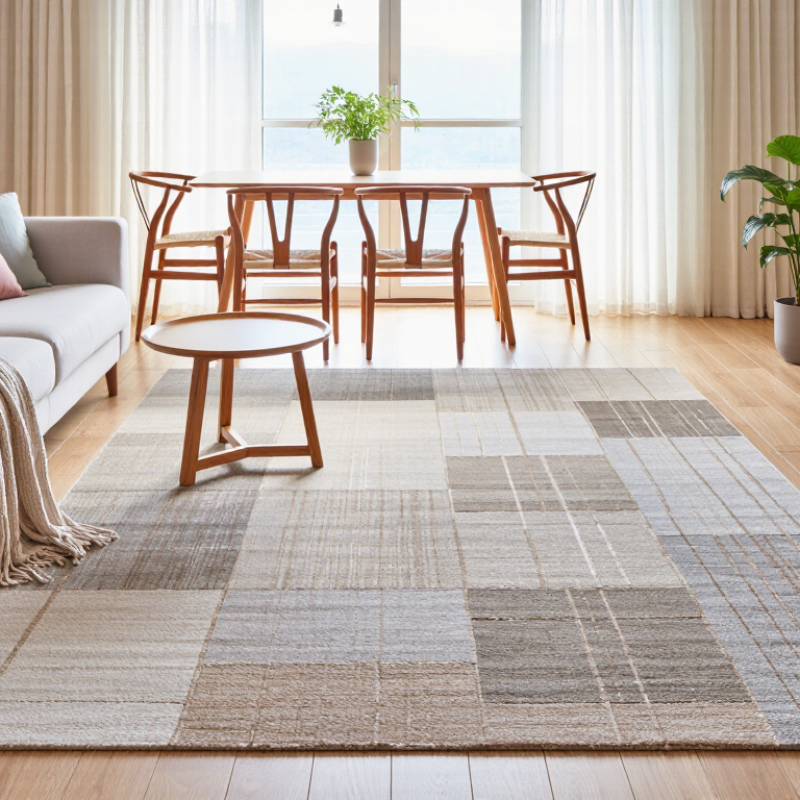
Awashable rug should clarify a room, not merely cover empty floor. Start by mapping activities: sofa conversations, dining-chair pullback, entry traffic, and pet routes.
Tip 1: measure the usable zone, including furniture movement.
Tip 2: mark the outline with painter’s tape for one day. Walk around it. I often discover that a “perfect” size blocks a cabinet door. Measure twice.
Tip 3: in a living room, place at least the sofa’s front legs on the rug. This visually connects separate seating pieces.
Tip 4: for dining areas, extend the rug 24 to 30 inches beyond the tabletop. Chairs should remain supported when pulled back.
Tip 5: align a runner with the hallway’s walking line, leaving visible floor along both sides. That margin creates breathing room, though the rule is not absolute.
Tip 6: match the rug’s placement with real cleaning demands. The APPA 2023–2024 National Pet Owners Survey estimates that 66% of U.S. households own a pet. A washable rug near an entry or feeding area may therefore be more practical than one centered only for appearance.
Tip 7: check washing instructions, drying space, and door clearance before buying. The National Association of Realtors’ 2023 Remodeling Impact Report gives refinished hardwood a Joy Score of 10 out of 10. Protecting attractive floors matters. Still, a rug can hide them too much. Leave enough visible flooring to define the room.
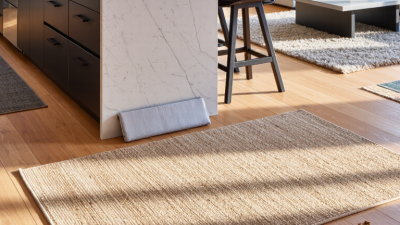
7 Tips for Choosing a Large Washable Rug
A large rug must survive daily traffic, not only look attractive in photographs. For everyday use, choose a tightly woven polypropylene or recycled polyester rug. These fibers resist stains, moisture, and repeated washing better than delicate materials. Low-pile construction also helps crumbs and pet hair release during cleaning. Keep it practical.
Check the backing carefully. A washable thermoplastic rubber backing can improve grip without adding excessive weight. Avoid thick foam layers, which may crack or hold water after several washes. Strong edge binding matters too. Loose borders often fray first. Choose a rug with reinforced stitching around the perimeter. I once assumed a beautiful cotton rug would be easy to maintain. It shrank slightly after washing. That mistake changed my buying checklist.
Measure your washing machine before ordering. A rug that fits the drum tightly may not rinse properly. Confirm the care label, then use cold water, mild detergent, and a gentle cycle. Air-drying is usually safer than high heat. Select darker patterns or subtle textures for entryways, where dust appears quickly. Still, very busy patterns can hide spills too well. Test a small corner for colorfastness when possible. Consider the rug’s weight when wet, especially if you live in an apartment. A manageable rug is more likely to be washed regularly. Convenience matters.
7 Tips for Choosing a Large Washable Rug
Choosing a large washable rug starts with its cleaning method. Check whether the care label permits machine washing, hand washing, or surface cleaning. A removable top layer is convenient, but inspect the backing too. Some backings curl after heat exposure or repeated washing. That detail is easy to miss. For a 9-by-12-foot rug, measure your washer opening before buying. A compact machine may not clean it evenly. Professional laundering can work, yet it adds cost and transport.
Drying time matters as much as washing performance. A thick rug may need 24 to 48 hours to dry fully indoors. Hang it over a strong rail, or lay it flat with airflow underneath. Do not leave damp fabric on hardwood. Trapped moisture can create odors, stains, or floor damage. Direct sunlight may fade one side unevenly. I once rushed this step and found a musty smell the next morning. A fan helped, but patience would have been cheaper.
Care requirements should fit your household, not an ideal routine. Look for clear washing temperatures, detergent limits, and drying instructions. Vacuum gently before washing to remove grit from deep fibers. Blot spills quickly with a white cloth and cool water. Avoid bleach unless the care label specifically allows it. Rotate the rug every few months to reduce uneven wear. If shedding continues after several washes, reassess the material and construction. Your floor, washer, and schedule all matter.
| Tip | What to Check | Cleaning Method | Typical Drying Time | Care Requirements | Best Use |
|---|---|---|---|---|---|
| 1. Confirm the washable construction | Look for clear instructions stating whether the entire rug, rather than only the cover, can be machine washed. | Machine wash only when the care label permits it; otherwise use spot cleaning or professional cleaning. | Usually 12–48 hours when laid flat with good airflow. | Check the care label first. A large rug may exceed the safe capacity of a household washer. | Homes where regular washing is important. |
| 2. Match the size to your washing equipment | Measure the rug and compare its weight and bulk with the washer manufacturer's capacity guidance. | Use a large-capacity front-loading washer when approved; avoid forcing a bulky rug into a small drum. | About 24–72 hours if the rug retains substantial water. | An overloaded washer may clean unevenly and can place excessive strain on the appliance. | Large bedrooms, living rooms, and open-plan areas. |
| 3. Compare fiber and backing materials | Check whether the pile, backing, and anti-slip layer are designed to tolerate water and agitation. | Synthetic fibers are commonly cleaned with mild detergent; delicate fibers may require low-moisture or professional cleaning. | Synthetic low-pile rugs often dry in 12–36 hours; dense or padded rugs can take longer. | Do not use bleach unless the label specifically allows it. Inspect the backing after washing. | Busy households needing simpler routine care. |
| 4. Choose a low-pile design | Compare pile height, thickness, and the number of layers that can hold moisture. | Vacuum regularly and use gentle spot treatment for small spills; wash only as directed. | Approximately 8–24 hours in a warm, ventilated room. | Low-pile surfaces are generally easier to vacuum and less likely to trap visible debris. | Dining areas, entryways, kitchens, and homes with pets. |
| 5. Evaluate stain and spill care | Check whether the surface allows prompt blotting without color transfer or fiber damage. | Blot liquid with a clean cloth, use a small amount of mild detergent solution, and rinse lightly if permitted. | Spot-cleaned areas commonly dry within 2–8 hours with airflow. | Test cleaning solutions on an inconspicuous area first; avoid rubbing, which can spread stains. | Dining rooms, playrooms, and pet-friendly spaces. |
| 6. Plan for safe drying | Consider whether you have enough space to lay the rug flat and whether the floor can support moisture protection. | After washing, remove excess water according to the label and dry flat or hang only when the construction permits. | Around 24–72 hours in humid or cool conditions; faster with fans and ventilation. | Do not reinstall while damp. Prolonged moisture can contribute to odor, mildew, or backing damage. | Apartments and climates where outdoor drying is limited. |
| 7. Check routine maintenance needs | Compare vacuuming frequency, rotation needs, edge care, and the condition of the anti-slip backing. | Vacuum without an aggressive beater-bar setting when appropriate, rotate periodically, and spot-clean between washes. | Routine vacuuming requires no drying; full washing generally needs 12–72 hours. | Keep edges flat, follow the label for heat exposure, and replace or repair damaged non-slip backing. | High-traffic rooms requiring dependable long-term upkeep. |
Note: Drying times are practical estimates and vary with rug thickness, water extraction, humidity, temperature, airflow, and the manufacturer's care instructions. Always follow the specific care label before washing or applying cleaning products.
When choosing a large washable rug, inspect its safety details before judging its color or pattern. A broad rug can shift, bunch, or catch a foot when its backing lacks enough grip. Edges matter. Look for a stable underside and leave clear space around doors, vents, and furniture legs. On smooth tile, a separate rug pad may improve traction, but confirm that both materials suit the floor’s finish. Test it first.
Comfort also deserves close attention. A low, dense pile usually feels steady beneath dining chairs and rolling furniture. A thicker pile may feel warmer in a bedroom, yet it can trap moisture and create a height difference at nearby thresholds. I once underestimated that small change; a chair leg caught the edge repeatedly. That was inconvenient and avoidable.
Floor compatibility can prevent expensive problems. Some rubber or adhesive backings may discolor finished wood or react with vinyl surfaces. For hardwood, check care guidance from the flooring professional and avoid leaving damp fabric in place. On carpet, choose a pad that will not compress unevenly. Washing instructions matter too. Use the recommended temperature and drying method, then inspect the rug while it is still slightly damp. A small curl, stiff patch, or color shift should not be ignored. The rug may need more drying time, gentler cleaning, or a different location.
Evaluate rug safety, comfort, and compatibility with your floor before buying.
Pile-height reference: low pile is generally up to 6 mm, medium pile is approximately 6–12 mm, and high pile begins above 12 mm. Actual classifications vary by construction, so check the product specifications.
Choose a backing that is labeled safe for your floor. Use a compatible rug pad when extra grip or cushioning is needed.
Secure the rug, flatten curled edges, and avoid loose rugs in doorways or other high-traffic areas.
Low pile is easier to clean and usually works better under doors, dining chairs, and wheeled furniture.
Review the care label for washing temperature, drying method, size limits, and whether the backing must be removed.
For wood, laminate, and vinyl floors, look for floor-safe materials and allow the floor to dry before placing the rug.
A thicker pile can feel softer, while a rug pad can add cushioning without making the rug difficult to clean.
Measure the room, furniture layout, door swing, and available washing space before selecting a large rug.
Choosing a large washable rug is less about color and more about balanced value. Measure the room, including door clearance and furniture legs, before shopping. A rug that looks generous online may overwhelm a small living area. I once chose a pale, oversized rug without checking the sofa width. The room felt oddly disconnected.
Study the construction closely. Look for dense stitching, reinforced edges, and a backing that stays flat after washing. Check the care label for machine capacity, water temperature, and drying instructions. A rug that needs special cleaning is not truly convenient. Test the fabric texture with your hand. Softness matters, but a loose, fuzzy surface may show wear quickly. Choose patterns that hide crumbs and small stains without fighting your furniture. Keep the palette practical.
Think beyond the purchase price. A washable rug with stronger fibers may cost more, yet it can handle muddy shoes, spilled drinks, and repeated cleaning. Confirm whether the dimensions fit your washer, or cleaning costs may erase the savings. Use a non-slip pad on smooth flooring, and inspect the rug after every wash for curling corners. Product specifications and care instructions deserve more trust than attractive photographs. I still underestimate drying time sometimes. That small detail affects daily comfort, especially in busy homes.