2026 Top Thick Prayer Mat Trends for Global Buyers?
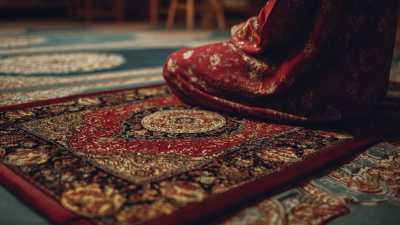
In recent years, the demand for thick prayer mats has surged among global buyers. These mats offer not just comfort and support but also a deeper connection during prayer. As more people recognize the value of quality prayer accessories, manufacturers are evolving their designs and materials.
In 2026, the thick prayer mat market is expected to showcase exciting trends. Innovations in fabric technology will enhance durability and softness, attracting buyers who prioritize both aesthetics and functionality. Additionally, various cultural patterns will emerge, reflecting the rich diversity of users around the world.
Yet, it is essential to reflect on the implications of these trends. With the rise in popularity, the market may face challenges such as sustainability and ethical sourcing of materials. Buyers should remain mindful of these aspects while seeking the perfect thick prayer mat. This balance between comfort and responsibility will shape the future of prayer accessories.
Emerging Materials and Technologies in Thick Prayer Mats for 2026
The prayer mat industry is evolving rapidly. By 2026, emerging materials and technologies will shape the thick prayer mat trends for buyers worldwide. Innovations in sustainable textiles are gaining traction. Eco-friendly fibers offer great cushioning and softness, enhancing comfort during prayers.
Thick prayer mats made from advanced memory foam are set to rise in popularity. This material adjusts to the user's body, providing optimal support. Additionally, technology is playing a key role. Mats with built-in sensors can help monitor posture and improve the prayer experience. These advancements make prayer mats not just functional items but also personal wellness tools.
For a better mat experience, focus on texture. Consider mats with a soft touch but firm base. Durability is also essential; choose materials that resist wear over time. Reflect on which features matter most to you. Your choice should serve both spiritual needs and comfort. When exploring options, look for products that align with your values regarding sustainability and tradition.
Popular Designs and Colors for Prayer Mats Among Global Consumers
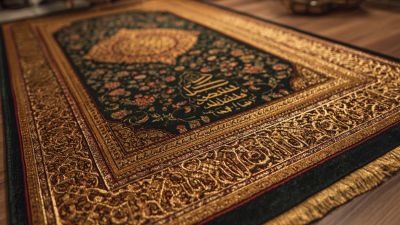
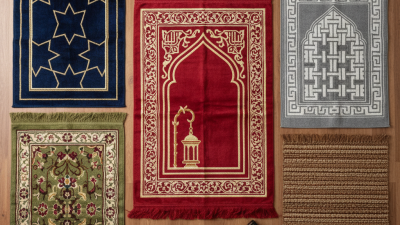
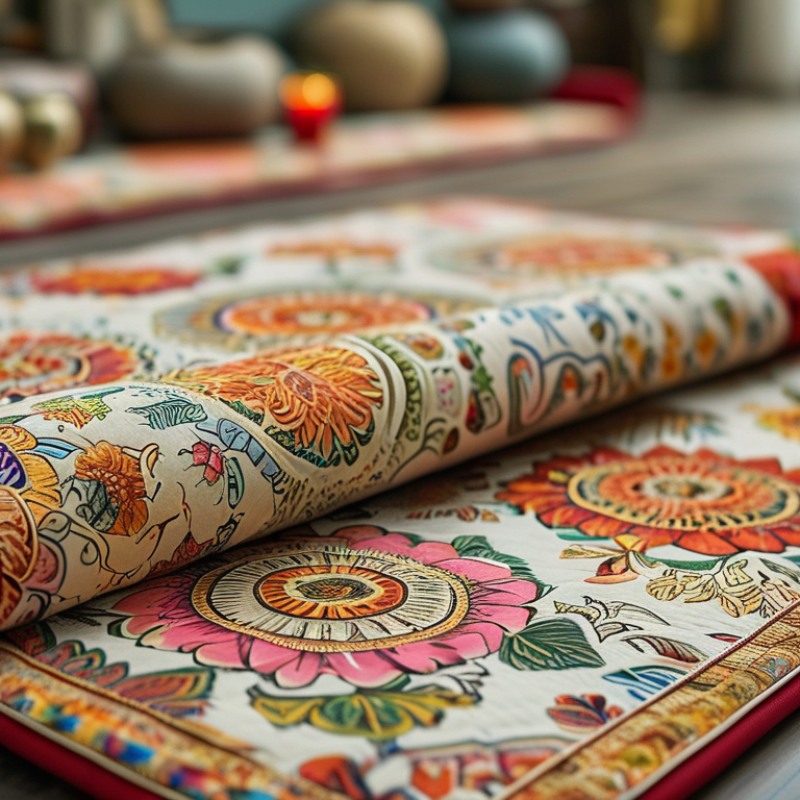
In 2026, the thick prayer mat market is evolving, driven by consumer preferences for unique designs and colors. Reports indicate that about 70% of global buyers prefer prayer mats that reflect cultural heritage and artistic expression. Rich, warm colors like deep reds and earthy browns appeal to many, evoking a sense of tranquility during prayer.
Patterns play a crucial role in consumer choices. Florals and geometric shapes dominate preferences, with over 65% of buyers favoring such designs. In fact, industry data shows that intricate patterns can enhance the overall prayer experience, making the mat not just a functional item but a piece of art. However, the challenge remains for manufacturers to balance tradition with modern aesthetics.
Quality and sustainability are becoming non-negotiable aspects for consumers. Research indicates that around 80% of buyers are willing to pay a premium for mats made from eco-friendly materials. Yet, the industry faces criticism over inconsistent quality standards, leading to consumer distrust. This inconsistency highlights the necessity for manufacturers to innovate and provide reliable, high-quality products that cater to diverse preferences.
Cultural Influences Shaping the Prayer Mat Market Trends for 2026
Cultural influences play a pivotal role in shaping the prayer mat market for 2026. According to market research, the global prayer mat industry is expected to reach $2 billion by 2026. This growth is driven by increasing religious practices and cultural diversification. Thick prayer mats that offer comfort are gaining popularity, especially among younger consumers.
Design elements are evolving as cultures blend. Traditional patterns are being reimagined with modern aesthetics. Neutral colors are preferred by younger buyers, while vibrant motifs appeal to older generations. There is a noticeable trend toward eco-friendly materials. Sustainable production methods resonate with socially conscious consumers, leading to a rise in demand for organic fibers.
Cultural festivals and community events also influence buying patterns. The U.S. and Europe are experiencing a surge in demand influenced by cultural exchanges. However, some buyers express dissatisfaction regarding the durability of certain materials. This feedback highlights a need for improvement in quality. As the market evolves, brands must address these issues to maintain consumer trust and competitiveness. The prayer mat market is not just about the product; it's about the experience it offers.
2026 Top Thick Prayer Mat Trends for Global Buyers
Sustainability Considerations in the Production of Thick Prayer Mats
As the demand for thick prayer mats continues to rise, sustainability in their production becomes crucial. Traditional materials, often sourced from non-renewable resources, raise environmental concerns. Natural fibers like jute and cotton are more sustainable options, but they still have their challenges. Harvesting natural materials must be done responsibly to avoid over-exploitation.
Manufacturers face a dilemma. Balancing quality and sustainability can be difficult. While thicker mats offer comfort, they often require more resources. Some producers are turning to innovative techniques. Upcycling waste materials into new products is one way to address sustainability. However, not all brands prioritize these practices.
Consumers should seek transparency from producers. Understanding the sourcing and manufacturing processes is vital. An informed buyer can advocate for sustainable practices. As trends evolve, the focus must shift toward eco-friendly options. This requires a commitment from everyone involved, from producers to consumers. Awareness and action can lead to meaningful changes in the industry.
Market Analysis: Key Players and Consumer Preferences in 2026
The market for thick prayer mats in 2026 is shaping up to be diverse and dynamic. Key players are increasingly focusing on sustainability. Consumers show a growing preference for eco-friendly materials. This trend reflects a broader commitment to environmentally responsible choices.
Many buyers seek customization options. They desire mats that resonate personally with their spiritual practices. This reflects a shift towards individuality in the marketplace. Additionally, comfort remains a top priority, influencing purchasing decisions greatly.
Consider exploring a variety of materials. Wool and cotton are popular for their luxury feel. Pay attention to the design; intricate patterns can enhance the overall experience. Moreover, a mat should provide stability during prayer. Carefully evaluate thickness, as it affects comfort and posture. Emphasizing quality over quantity can enhance satisfaction in the long run.