- Home
- About Us
- Products
- News
- Blog
- Contact Us
Leave Your Message
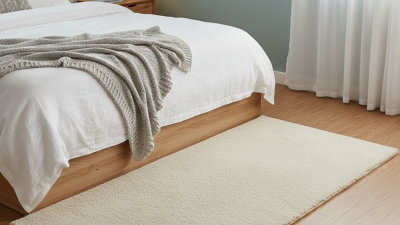
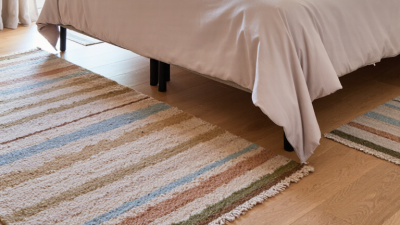
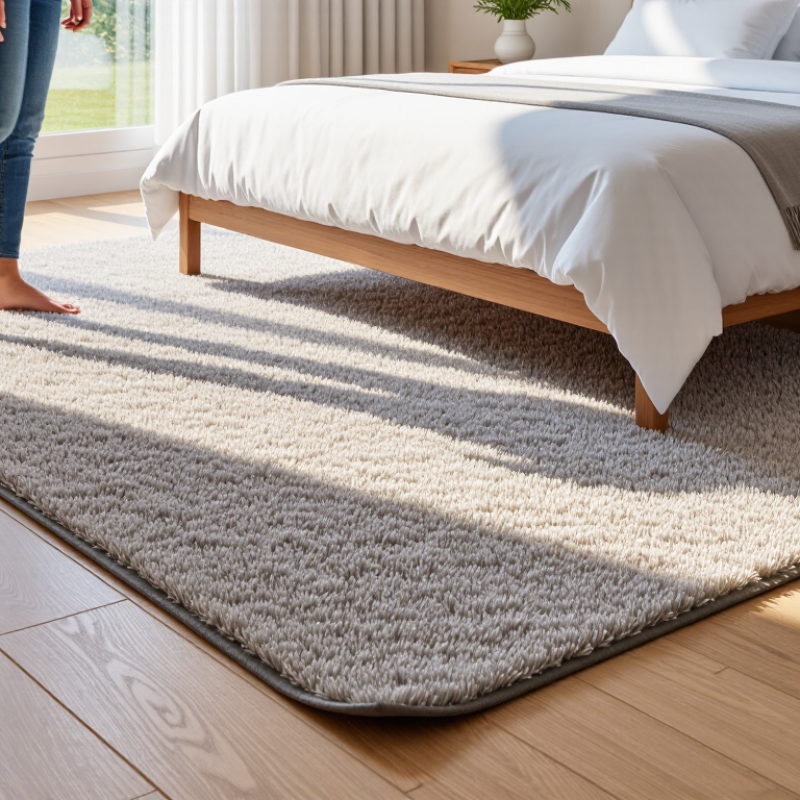
Choosing a China Best Bedside Runner Carpet requires more than comparing prices and attractive product photos. Global buyers need dependable materials, stable production, and clear communication from the first inquiry. A well-made Bedside Runner Carpet should feel soft under bare feet, remain steady on smooth flooring, and fit neatly beside a bed without curling edges. Details matter. A dense pile, reinforced binding, and a backing suited to the intended floor can improve everyday comfort and service life.
Experienced buyers usually examine fiber content, pile height, weight, colorfastness, odor, and cleaning performance. They may request samples, inspection records, packaging images, and test reports before confirming a large order. Trusted Chinese manufacturers should explain their production process honestly and provide consistent specifications across batches. Certifications and compliance documents also deserve careful verification, especially when products enter different international markets. A supplier’s fast reply is helpful, but it does not replace evidence.
Real results vary.
Even a promising sample may not perfectly represent mass production. Shade differences can appear between dye lots, and packaging can affect the carpet’s shape after shipping. This is where careful sampling, written requirements, and pre-shipment inspection become valuable. Buyers should also consider room style, climate, hotel or home use, and maintenance expectations. A plush runner may feel luxurious, yet it can require more cleaning and may show footprints quickly. A flatter design might look less dramatic but perform better in busy bedrooms.
This guide examines practical sourcing decisions, supplier reliability, customization options, quality control, and delivery considerations. It aims to help global buyers choose with evidence, not assumptions, while recognizing that small details can still be overlooked.
China Best Bedside Runner Carpet for Global Buyers
Types of Bedside Runner Carpets Made in China
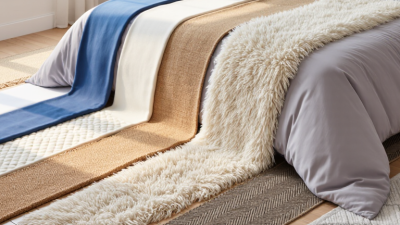
Chinese factories produce bedside runners in several practical formats. Tufted polypropylene runners are common because they resist moisture, dry quickly, and control costs. Polyester versions offer brighter printed patterns and a softer touch. Nylon runners suit hotels and busy bedrooms, where repeated foot traffic can flatten weaker fibers.
Construction matters too. Machine-made runners provide consistent dimensions for international orders. Woven runners usually feel denser and hold their shape better, though they can cost more. Printed runners create wood-grain, geometric, or floral effects with flexible minimum quantities. Many factories add latex or PVC backing for floor grip. Still, backing performance can change on polished tile.
Market context supports this variety. Grand View Research valued the global carpets and rugs market at about US$72.39 billion in 2023, with continued growth projected through 2030. Fortune Business Insights also identifies residential renovation and hospitality demand as important market drivers. These reports cover broad carpet categories, not bedside runners alone. That limitation deserves attention.
For global buyers, washable polyester suits guest rooms and rental housing. Low-pile polypropylene works well beside beds because doors open more easily. Wool-blend runners provide warmth and texture, but buyers should request shedding and colorfastness tests. Small details matter. A sample may look excellent under showroom lighting, yet feel thin at home. Confirm pile height, edge binding, roll length, backing odor, and packaging compression before production.
| Carpet Type | Common Fiber or Material | Typical Construction | Typical Weight | Common Runner Sizes | Key Characteristics | Recommended Bedroom Use | Cleaning and Care |
|---|---|---|---|---|---|---|---|
| Cut-Pile Polypropylene Runner | Polypropylene | Tufted cut pile | 1,000–2,000 g/m² | 50 × 150 cm 60 × 180 cm 80 × 200 cm |
Soft underfoot, stain-resistant, colorfast, and generally economical. | Everyday bedrooms, rental properties, and guest rooms. | Regular vacuuming; spot-clean with a mild detergent solution. |
| Polyester Shag Runner | Polyester | Long-pile tufted construction | 1,500–3,000 g/m² | 60 × 150 cm 60 × 180 cm 80 × 200 cm |
High softness, warm texture, and strong visual appeal; may show footprints. | Comfort-focused bedrooms and decorative bedside areas. | Use a suction-only vacuum setting; avoid aggressive brushing. |
| Microfiber Velvet Runner | Fine polyester microfiber | Dense short pile | 1,200–2,200 g/m² | 50 × 150 cm 60 × 180 cm 80 × 200 cm |
Smooth surface, low shedding, vivid printed patterns, and easy handling. | Modern bedrooms and seasonal interior styling. | Vacuum or machine-wash only when the care label permits; air-dry flat. |
| Memory-Foam Bedside Mat | Polyester or nylon surface with polyurethane foam | Printed or tufted top bonded to foam backing | 1,500–2,800 g/m² | 50 × 80 cm 50 × 120 cm 60 × 150 cm |
Cushioned feel, sound reduction, and a lightweight non-slip backing. | Individual bedside placement and cold-floor protection. | Shake or vacuum gently; do not wring or use high-temperature drying. |
| Flatweave Cotton Runner | Cotton or cotton blend | Woven flat construction | 700–1,500 g/m² | 60 × 150 cm 60 × 180 cm 70 × 200 cm |
Breathable, reversible in some designs, lightweight, and suitable for casual interiors. | Warm-climate homes and washable bedroom décor. | Follow the fiber label; cotton may shrink if washed or dried at high temperatures. |
| Chenille Jacquard Runner | Polyester chenille or cotton-polyester blend | Woven jacquard with raised yarn surface | 1,000–2,000 g/m² | 60 × 150 cm 60 × 180 cm 80 × 200 cm |
Decorative texture, moderate softness, and clear woven patterns. | Classic, hotel-style, and coordinated bedroom interiors. | Vacuum on a low setting; clean spills promptly to protect the raised surface. |
| Wool or Wool-Blend Runner | Wool or wool blended with synthetic fiber | Woven or tufted pile | 1,500–3,000 g/m² | 60 × 150 cm 70 × 200 cm 80 × 200 cm |
Natural insulation, resilience, and a premium hand feel; higher care requirements. | Cold climates and higher-end residential interiors. | Vacuum gently; professional cleaning is generally preferred for deep cleaning. |
| Recycled PET Runner | Recycled polyester made from PET plastic | Flatweave, printed, or short-pile construction | 800–2,000 g/m² | 50 × 150 cm 60 × 180 cm 80 × 200 cm |
Durable, moisture-resistant, and suitable for buyers seeking recycled content. | Contemporary homes and sustainability-focused product ranges. | Vacuum regularly; check the label before machine washing. |
| Rubber-Backed Anti-Slip Runner | Polyester, polypropylene, or nylon with PVC or rubber backing | Low pile with coated or latex-style backing | 900–2,200 g/m² | 50 × 150 cm 60 × 180 cm 80 × 200 cm |
Helps limit movement on smooth floors; backing performance varies by floor condition. | Bedrooms with tile, laminate, wood, or other smooth flooring. | Keep the floor and backing dry; avoid prolonged direct sunlight and high heat. |
Note: Specifications are typical market ranges. Actual dimensions, pile height, fiber composition, backing, packaging, and care instructions should be confirmed against the final product sample and technical specification sheet.