How to Choose the Best Rug Wool for Your Home?
Choosing the right rug wool for your home can significantly impact your space. Rug wool not only influences aesthetics but also comfort and durability. It can create a warm, inviting atmosphere or add sophistication to your decor.
When selecting rug wool, consider the texture and origin. Different types offer various benefits. For instance, fine wool is soft and luxurious, while coarse wool can be more durable. This choice directly affects how your rug feels underfoot.
Moreover, consider your lifestyle. Families with kids and pets might prefer more resilient options. Reflect on these factors to find what best suits your needs. Rug wool can enhance your home, but the right choice requires thoughtful consideration.
Choosing the Right Wool Fiber Type for Rug Durability and Comfort
Choosing the right wool fiber type is essential for both durability and comfort in your rugs. Wool is a natural, resilient fiber known for its ability to withstand heavy foot traffic. When selecting wool, consider the fiber thickness. Coarser wool fibers tend to be more durable but may offer less comfort than finer ones. Softer wool creates a plush feel underfoot, perfect for living spaces.
Additionally, pay attention to the fiber's twist. A tightly twisted wool will resist matting and crushing over time. It is crucial to strike a balance between comfort and durability. Choosing a wool rug that feels good underfoot while also standing up to everyday wear can be challenging. Not all wool is created equal. Investigate the source of the wool. Local and ethically sourced options often provide more consistent quality.
Remember that maintenance is key to preserving your rug's beauty. Regular cleaning can prevent dirt buildup and prolong the lifespan of your investment. Be aware that light and moisture can affect wool. Protect your rug from excessive sunlight to avoid fading. Reflect on your lifestyle needs before making a decision. Each choice carries implications for both comfort and practicality.
How to Choose the Best Rug Wool for Your Home? - Choosing the Right Wool Fiber Type for Rug Durability and Comfort
| Wool Type |
Durability |
Comfort Level |
Best Use |
Maintenance |
| New Zealand Wool |
High |
Soft |
Living Rooms, Bedrooms |
Vacuum regularly; spot clean |
| Merino Wool |
Medium |
Very Soft |
Area Rugs, Light Traffic |
Professional cleaning recommended |
| Rambouillet Wool |
High |
Moderate |
High Traffic Areas |
Regular vacuum; wash every few years |
| Shetland Wool |
Medium |
Rough |
Outdoor/Indoor Use |
Spot clean; low-maintenance |
| Cashmere Wool |
Low |
Extremely Soft |
Luxurious Spaces |
Dry clean only |
Understanding Wool Grades: What Makes High-Quality Rug Wool?
When choosing the best wool for your rug, understanding wool grades is essential. High-quality wool often comes from specific breeds known for their fine fibers. For instance, Merino wool is widely regarded because of its softness and durability. Studies show that fine wool fibers contribute to better insulation and resilience.
The grading system categorizes wool on its fiber diameter, typically measured in microns. Wool graded under 25 microns is labeled as 'fine,' ideal for luxury rugs. In contrast, coarser wool over 30 microns tends to be more durable but less soft. The softness directly influences comfort underfoot and how well the rug performs in high-traffic areas. Research indicates that rugs made from high-grade wool can resist wear better and maintain their appearance longer.
Not all wool is created equal. The source, processing, and even dyeing methods significantly impact quality. For example, organic certified wool often has fewer chemicals, enhancing its longevity and environmental impact. Consumers should question the origin and treatment of wool to ensure they select a high-quality product. While there are many great options, the challenge lies in distinguishing truly superior wool from the average.
Evaluating Wool Carpet Pile Height for Your Home's Style and Functionality
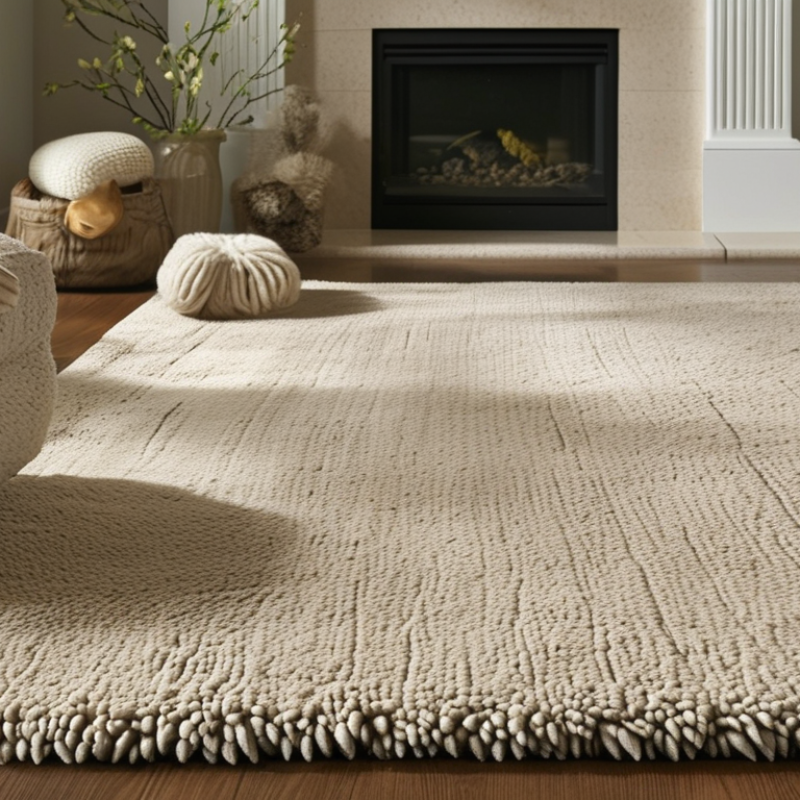
When selecting wool rugs, pile height can significantly impact the overall ambiance and functionality of your space. A low pile height offers a sleek, contemporary look, making it easy to clean. This style is ideal for high-traffic areas, where durability is key. It tends to hold up well against foot traffic and is less prone to flattening.
On the other hand, a high pile rug provides a cozy, luxurious feel underfoot. It can transform a room into a warm oasis. However, it may require more maintenance and can trap dirt and allergens. This can be a concern for those with allergies. Evaluate your lifestyle and the room’s purpose when choosing the pile height.
Tips: Consider a medium pile if you desire a balance between comfort and practicality. Opt for low pile in dining areas, where spills are likely. High pile can enhance comfort in bedrooms or reading nooks, but remain aware of its drawbacks. Ultimately, the choice of pile height should align with your design preferences and daily needs to create a harmonious living environment.
Wool Carpet Pile Height Evaluation
This bar chart evaluates the comfort level associated with different wool carpet pile heights. Low pile carpets are easier to clean and suitable for high traffic areas, while medium to high piles provide more comfort and a luxurious feel, ideal for living spaces.
Analyzing Wool Dyeing Techniques for Color Fastness and Environmental Impact
Wool dyeing techniques play a significant role in selecting high-quality rugs. When choosing a rug, consider how the wool is dyed. Natural dyes typically come from plants, insects, or minerals. These dyes are more environmentally friendly compared to synthetic options, which often introduce harmful chemicals.
Color fastness is another crucial factor. It's essential to know how well the dye holds up over time. Some dyes may fade quickly, affecting the rug's appearance. Rugs dyed with natural methods often showcase beautiful variations that can add character. However, this can also mean less predictability in colors.
Researching dyeing methods can help you make informed choices. Consider the water used in dyeing, as it may contribute to pollution if not managed properly. Some processes can be energy-intensive, which raises questions about sustainability. Learning about these aspects can empower you to select rugs that align with your values, balancing aesthetics with environmental responsibility.
Comparing Handwoven vs. Machine-Made Wool Rugs: Pros and Cons
When selecting the perfect wool rug for your home, understanding the differences between handwoven and machine-made options is crucial. Handwoven rugs are often considered superior due to their craftsmanship. Each piece is made by skilled artisans, which gives them a unique character. The natural variations in color and texture provide a personal touch. However, the production process is time-consuming, making these rugs generally more expensive.
On the other hand, machine-made wool rugs offer affordability and consistency. They are produced quickly and in large quantities, allowing for various designs. While they may lack the depth and individuality of handwoven rugs, they can be more practical for high-traffic areas. However, some may find them less durable over time. When choosing between the two, consider your lifestyle and preferences. A handmade option offers beauty and uniqueness, but a machine-made rug might better suit a busy home. It’s essential to weigh your options carefully.