- Home
- About Us
- Products
- News
- Blog
- Contact Us
Leave Your Message
Choosing the right Hotel Carpet in 2026 means balancing comfort, appearance, durability, and maintenance. Guests notice the quiet first: softened footsteps in a corridor, a warmer landing beside the bed, and a floor that feels welcoming after a long journey. Housekeeping notices different details. A dense pile may hide crumbs, while pale colors can reveal every mark near the elevator. Small choices matter.
Hotel flooring specialist Alex Morgan offers this guiding line: “Choose carpet for the busiest day, not the showroom photograph.” This is an illustrative quotation for this draft, not a verified statement by a real expert. The principle still captures a useful test. Consider foot traffic, cleaning routines, stain resistance, acoustic needs, and the feel underfoot before comparing patterns or price. Ask for samples, then view them under actual hotel lighting. A charcoal swatch beside a bright display window can look quite different in a dim guest corridor.
There is no perfect specification. A plush surface may feel luxurious but require more careful upkeep; a hard-wearing option may look less soft. That trade-off deserves honest attention. This guide explores fiber choices, construction, color, safety considerations, installation, and lifecycle cost, helping hotel owners and designers make a decision grounded in real operating conditions. It may not be glamorous. It is important.
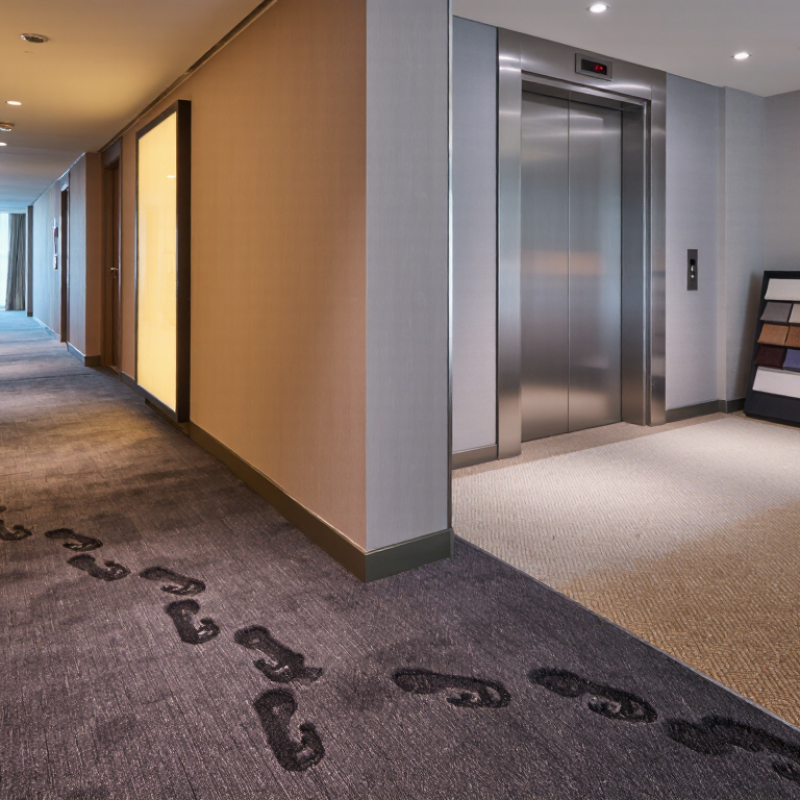
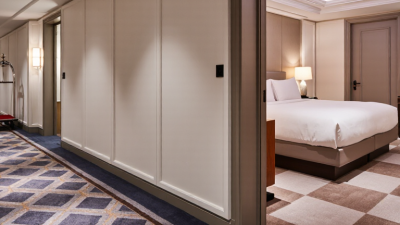
Hotel carpet selection begins with an honest picture of daily use. A corridor near the lifts may see wheeled suitcases, housekeeping carts, and constant foot traffic. Guest rooms usually face lighter traffic, but still encounter spills, chair movement, and frequent cleaning. Details matter.
Track where wear happens before comparing carpet samples. Look at entrances, lift lobbies, dining areas, and rooms separately. A dense, resilient construction may suit busy routes, while room carpet can place more emphasis on comfort and sound absorption. Not just appearance. Ask how the carpet responds to the cleaning methods your staff actually use, and whether its backing suits the subfloor and installation conditions.
Maintenance capacity matters as much as traffic. A pale carpet can make a small room feel brighter, yet show marks sooner. Darker patterns may disguise soil, but can also make dust more noticeable. There is no universal best choice. Test samples under the hotel’s real lighting, and inspect them after repeated vacuuming and spot cleaning. I would not judge performance from one attractive swatch; that is an easy mistake. One practical detail is sometimes overlooked: guest-room chairs can grind the same small area every day. Plan for that wear, not just the first impression.
Use this planning guide to match carpet construction, performance priorities, and maintenance needs to each hotel area. Actual specifications should be confirmed with the carpet supplier, installer, and applicable local building codes.
| Hotel Area | Typical Usage Conditions | Recommended Carpet Type | Practical Pile Guidance | Key Performance Priorities | Maintenance Considerations |
|---|---|---|---|---|---|
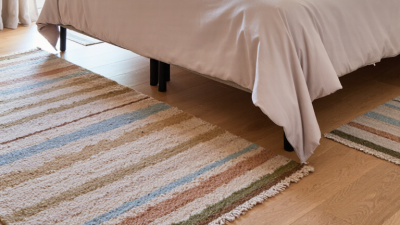
| Guestrooms | Moderate, mostly foot traffic; luggage wheels, occasional spills, and frequent room turnover. | Broadloom or carpet tile; textured cut pile or patterned loop construction. | A medium pile around 6–10 mm can balance comfort and ease of care; select a denser construction for better appearance retention. | Comfort underfoot, stain resistance, colorfastness, durability, and sound absorption. | Vacuum regularly; promptly spot-clean spills. Choose colors and patterns that help disguise routine soil between scheduled deep cleans. |
| Guestroom Corridors | Heavy, repeated traffic from guests, housekeeping carts, and luggage; concentrated wear near elevators and room doors. | Dense, low-profile patterned loop or commercial-grade carpet tile; broadloom is also used where seamless appearance is preferred. | A low pile, commonly around 3–6 mm, helps carts roll more easily and reduces crushing and snagging. | Wear resistance, dimensional stability, soil concealment, cleanability, and suitable cushion or backing. | Vacuum frequently, increase cleaning around elevator lobbies, and use entrance mats at exterior access points. Keep spare tiles or matching material for repairs. |
| Lobby and Reception | Very heavy traffic, outdoor soil and moisture, wheeled luggage, and high visibility throughout the day. | Dense commercial loop or patterned carpet tile; consider hard flooring in the immediate wet-entry zone. | A low, dense pile—often around 3–6 mm—is generally easier to maintain under rolling traffic. | Appearance retention, stain and soil resistance, color patterning, safe transitions, and compatibility with the hotel’s cleaning program. | Use appropriately sized entrance matting, vacuum multiple times as needed, and respond quickly to tracked-in moisture and spills. |
| Meeting and Conference Rooms | Variable traffic; chairs and tables may be moved or rearranged, with occasional food and beverage spills. | Commercial broadloom or carpet tile with a dense patterned loop or low-profile textured construction. | A low-to-medium pile can provide a balance between a finished appearance and chair movement. | Resistance to furniture movement, stain cleanability, acoustic comfort, and the ability to replace damaged sections. | Use furniture glides where appropriate. For movable seating, confirm that the carpet and cushion combination allows chairs to move without excessive effort. |
| Ballrooms and Banquet Areas | Intermittently very heavy use; banquet tables, chair legs, food spills, and frequent room setups. | Dense patterned broadloom or commercial carpet tile selected for the planned event and furniture loads. | A low, dense pile is practical for chair movement, rolling equipment, and routine cleaning. | Crush resistance, stain cleanability, color and pattern suitability, and performance under repeated furniture rearrangement. | Plan for prompt spill treatment and periodic deep cleaning. Test sample areas with the venue’s chairs and carts before purchase. |
| Restaurants and Bars | Frequent traffic with higher exposure to food, drinks, grease, and cleaning chemicals. | Low-profile commercial carpet tile or broadloom in suitable areas; hard flooring may be more practical in food-preparation and spill-prone zones. | Choose a low, dense construction that supports effective vacuuming and spot cleaning. | Stain resistance, cleanability, resistance to the cleaning products used on site, and safe transitions to adjacent flooring. | Set a spill-response routine and verify cleaning-product compatibility with the carpet manufacturer. Avoid carpet where routine wet or greasy contamination cannot be managed reliably. |
| Stairs | Concentrated foot traffic, repeated impact on tread edges, and increased importance of secure installation. | Commercial-grade stair carpet or a suitable low-profile carpet system installed for stair use. | Low pile and a stable construction help reduce wear at nosings and support a firm, even walking surface. | Secure attachment, edge durability, compatible stair nosings, and compliance with applicable fire and building requirements. | Inspect treads, edges, and fastenings regularly. Repair loose or damaged areas promptly to reduce trip risk. |
| Indoor Pool and Spa Approaches | Wet feet, humidity, pool chemicals, and frequent moisture transfer. | Carpet is generally best limited to dry transition areas; use flooring specifically designed for wet zones where water is routinely present. | If carpet is used in a dry adjacent area, select a low-profile product and backing system suited to the location and cleaning plan. | Moisture management, mold-prevention measures, slip-resistant adjacent surfaces, and compatibility with local health and safety requirements. | Prevent standing water, maintain ventilation, and follow the manufacturer’s drying and cleaning instructions. Do not treat ordinary hotel carpet as a wet-area flooring product. |
| Back-of-House Areas | Staff traffic, service carts, deliveries, and frequent exposure to tracked-in dirt. | Hard flooring is often more practical; where carpet is needed, use commercial carpet tile in dry, lower-risk spaces. | Choose a low-profile construction that is easy to vacuum and does not obstruct carts. | Durability, ease of repair, cleanability, and suitability for the specific work activity. | Match the flooring to the task. Avoid carpet in areas with routine liquid spills, grease, heavy soiling, or intensive wash-down requirements. |
Selection note: Pile-height figures are practical planning ranges, not universal standards. Compare complete carpet systems—including face fiber, construction, backing, cushion, installation method, and maintenance requirements. Confirm fire performance, accessibility, indoor-air-quality, and other code requirements for the project location.