Leave Your Message

2026 Top Wool Rug Types for Global Buyers

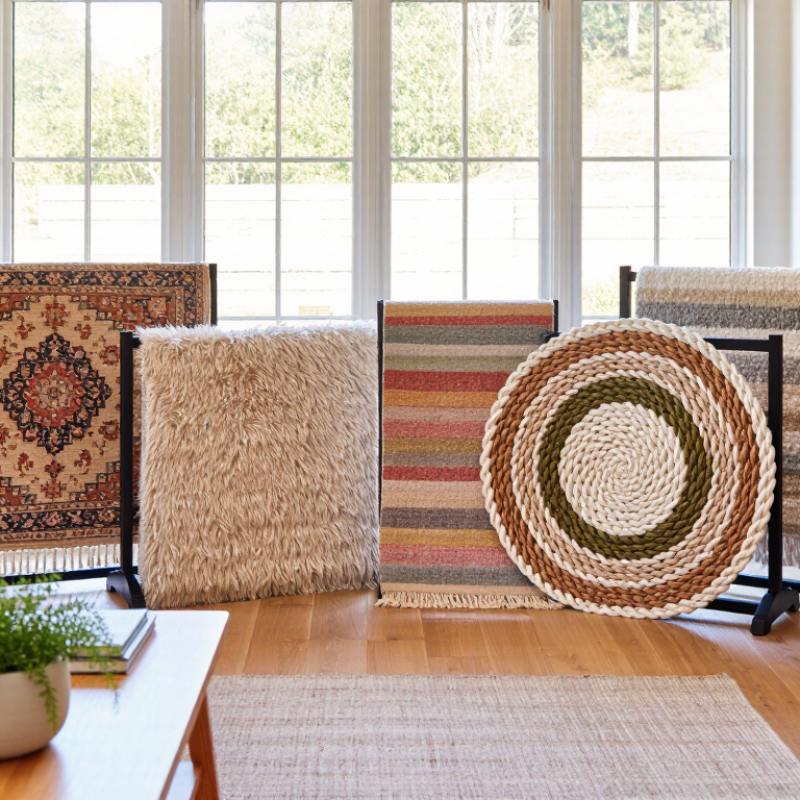
Global buyers are entering 2026 with a sharper interest in natural texture, durability, and traceable design. Wool remains a practical choice for bedrooms, living rooms, hospitality spaces, and carefully styled offices. This guide examines leading Rug Wool types, including hand-knotted, hand-tufted, flatweave, braided, and felted constructions. Each type offers a different balance of softness, resilience, cost, and visual character.

A hand-knotted wool rug can display intricate patterns and last for decades with proper care. Hand-tufted designs often provide richer pile at a more accessible price. Flatweave rugs feel lighter and suit dining areas, corridors, and warmer climates. Braided and felted styles bring visible texture, although their performance may vary by density and finishing. Details matter. Fiber origin, wool grade, knot density, backing, dye stability, and edge finishing should guide purchasing decisions. Buyers should request material specifications, care instructions, and reliable production information before ordering.

The 2026 market will not offer one perfect wool rug for every country or room. Humidity, foot traffic, furniture weight, cleaning habits, and cultural preferences can change the best choice. Some irregularities may reflect authentic handcraft, while others may signal weak construction. That distinction requires experience and careful inspection. This overview also considers color direction, sustainable sourcing claims, wholesale suitability, and long-term maintenance. A beautiful sample is not enough. Responsible buyers should compare evidence, question vague descriptions, and accept that certain design compromises remain unavoidable.
2026 Top Wool Rug Types for Global Buyers

Wool Rug Basics: Fibers, Weaves, Grades, and Key Features

For global buyers, wool rug quality starts with the fiber, not the photograph. Virgin wool usually offers strong recovery, warmth, and a naturally soft hand. Recycled wool can reduce waste, but its color and strength may vary. Fiber diameter matters too. Fine wool feels smoother against bare feet, while coarser wool often creates a firmer, more textured surface. Ask for fiber content, origin, and testing details.

The weave controls how a rug behaves under daily use. Hand-knotted rugs often show small variations, which can signal human craftsmanship rather than defects. Hand-tufted rugs use a backing and usually offer faster production. Flatweaves feel lighter and suit dining areas, hallways, and warmer climates. A dense pile can resist crushing, but it may hold more dust. I have learned that “high density” means little without a knot count or construction description.

Grades require careful reading. There is no single global grading system for every wool rug. Terms such as premium or deluxe may be sales language. Check pile height, wool percentage, backing stability, edge finishing, and colorfastness instead. Natural lanolin can help wool resist soil, yet it does not make the rug stain-proof. Request a physical sample when possible. Screens can distort ivory into bright white. Even experienced buyers sometimes overlook shedding during the first weeks. That detail deserves honest discussion.
Handmade Wool Rugs: Traditional Techniques and Regional Styles

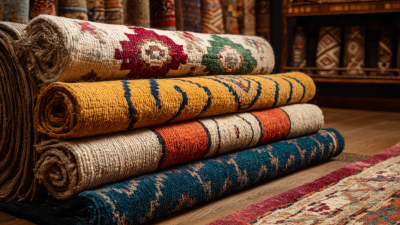
Handmade wool rugs reveal local history through knots, dyes, and surface texture. Persian-style workshops often use asymmetrical knots, creating detailed floral or medallion patterns. Turkish weaving commonly uses symmetrical knots, which can produce a firmer structure. These terms describe techniques, not guaranteed quality.

Regional materials also shape the finished rug. Mountain wool may feel springy and slightly coarse, while carefully washed wool can feel softer against bare feet. Moroccan rugs often feature generous pile and restrained geometric designs. Himalayan pieces may show hand-spun yarn, muted colors, and visible changes in thickness. Each region has its own visual language.

Look closely at the back. A consistent knot pattern usually indicates controlled workmanship. Slight irregularities can prove human involvement. They can also reduce durability. That difference matters. Experienced buyers should check edge binding, pile density, odor, and color fastness before ordering internationally. Ask for close photographs, fiber details, approximate knot counts, and washing guidance. Natural dyes may shift gently under sunlight, while unstable colors can bleed during cleaning. This is easy to overlook. I would not treat every uneven line as charming; some flaws deserve careful questions. A trustworthy seller should explain the rug’s origin, construction method, age, and documented measurements without vague promises.

2026 Top Wool Rug Types for Global Buyers - Handmade Wool Rugs: Traditional Techniques and Regional Styles
Handmade Wool Rug Type Traditional Technique Associated Region or Style Origin Construction Characteristics Typical Design Language Durability Profile Suitable Global Applications Care Considerations
Persian Hand-Knotted Rug Individual pile knots are tied to the warp, followed by trimming and finishing. Iran, historically known for regional styles such as Tabriz, Heriz, Kashan and Isfahan. Dense pile, detailed patterning and a strong structural foundation. Knot density varies by workshop and regional tradition. Medallions, floral motifs, garden layouts, scrolling vines and complex borders. High when well constructed and properly maintained. Formal living rooms, dining rooms, libraries, hospitality interiors and collectible residential settings. Vacuum gently without an aggressive beater bar; rotate periodically and protect from prolonged direct sunlight.
Turkish Oushak-Style Rug Traditional hand-knotting with pile yarns secured to the warp and weft structure. Central and western Anatolia, Türkiye; Oushak is a historically recognized Anatolian style center. Often features a relatively soft handle, moderate pile and large-scale ornamental compositions. Oversized floral motifs, central medallions, muted earth tones and spacious layouts. High for residential and moderate commercial traffic when densely woven. Large living areas, bedrooms, boutique hotels and transitional interior schemes. Use a rug pad, avoid excessive moisture and have fringe or edge repairs completed promptly.
Moroccan Beni Ourain-Style Rug Hand-spun wool is commonly woven or knotted into a thick, plush pile using traditional Berber methods. Atlas Mountains of Morocco, particularly associated with Beni Ourain Berber weaving traditions. Usually natural ivory or cream wool with a soft, high pile and a relaxed handmade texture. Minimal black or brown geometric lines, diamonds, lozenges and irregular abstract forms. Moderate to High; the deep pile may show compression in busy areas. Bedrooms, lounges, reading spaces and low-to-moderate traffic residential interiors. Vacuum using gentle suction, lift rather than drag furniture, and avoid placing it in persistently damp areas.
Kilim Flatweave Weft threads are passed through the warp to create a flat, non-pile woven surface; slit-weave and interlocking techniques are common. Türkiye, Iran, the Caucasus and Central Asia, with distinct regional patterns and color systems. Lightweight, reversible in many examples, and generally thinner than pile rugs. Geometric medallions, stepped diamonds, stripes, hooks and stylized tribal symbols. High for its weight and ease of handling, although edges can require reinforcement. Dining rooms, hallways, entryways, kitchens, layered schemes and warm-climate interiors. Always use a non-slip pad; vacuum both sides occasionally and keep loose fringes away from moving doors.
Indian Dhurrie Traditional flatweaving on a horizontal or vertical loom, generally using tightly packed wool or wool-blend wefts. India, with regional variations in weaving, color and stripe composition. Flat, firm surface; many examples are reversible and comparatively easy to move or store. Stripes, bands, geometric blocks, softened neutrals and contemporary interpretations of traditional layouts. Moderate to High depending on fiber quality, weave tightness and edge finishing. Casual living spaces, study rooms, dining areas, corridors and layered floor designs. Use a rug pad to reduce movement, clean spills quickly and avoid folding sharply for long periods.
Gabbeh Rug Hand-knotting with a relatively simple structure, often using thick hand-spun wool and a substantial pile. Southwestern Iran, especially associated with Qashqai and other nomadic or tribal weaving traditions. Thick, soft pile with intentionally simple composition and visible variations in yarn and color. Plain fields, small geometric figures, animals, trees and strong blocks of red, brown, gold or blue. High for comfort and everyday residential use when properly made. Family rooms, bedrooms, nurseries, casual seating areas and rustic or modern interiors. Regular low-suction vacuuming is recommended; deep cleaning should be performed by a professional familiar with wool.
Tibetan-Style Wool Rug Hand-knotting using a looped construction method, traditionally associated with Himalayan rug-making practices. Nepal and the Himalayan region, with design influences from Tibetan cultural and Buddhist traditions. Often has a dense, resilient pile and a substantial feel; contemporary versions may combine traditional motifs with modern layouts. Geometric forms, symbolic motifs, medallions, stylized florals and restrained contemporary patterns. High when tightly constructed and maintained in a dry indoor environment. Living rooms, offices, hospitality spaces and contemporary interiors requiring a textured wool surface. Prevent prolonged dampness, use a quality underlay and rotate the rug to distribute foot traffic evenly.
Aubusson-Style Tapestry Rug Flat tapestry weaving with colored wefts that build the image across the warp, rather than forming a conventional pile. France, particularly associated with historic tapestry-making traditions in Aubusson and related workshops. Low-profile, finely woven surface with detailed pictorial or ornamental compositions. Classical floral arrangements, pastoral scenes, architectural frames and European decorative motifs. Moderate; best suited to controlled traffic and careful placement. Formal sitting rooms, dining rooms, galleries, boutique hospitality spaces and heritage-style interiors. Use a protective pad, avoid direct sunlight and consult a textile conservator for antique or fragile examples.
Hand-Tufted Wool Rug Wool yarn is punched or inserted through a stretched foundation using a tufting tool; the back is then secured. Produced in many weaving regions worldwide; the technique is widely used for contemporary handmade designs. Can achieve high pile, sculpted surfaces and complex shapes more quickly than traditional hand-knotting. Abstract forms, tonal textures, modern geometry, organic shapes and dimensional carving. Moderate; performance depends on pile height, backing quality and traffic level. Bedrooms, lounges, creative offices and decorative areas with moderate foot traffic. Do not pull loose yarns; vacuum gently and keep the rug dry to protect the backing and adhesive layers.

Machine-Made Wool Rugs: Construction Methods and Buyer Considerations

In 2026, machine-made wool rugs offer global buyers consistent quality, scalable supply, and controlled pricing. Their construction method strongly affects durability, texture, and maintenance needs. Tufted rugs use a powered needle to insert wool yarn into a backing. They often feel thick and soft underfoot. However, the backing may require latex or another bonding layer. Buyers should confirm material safety and check whether the backing can tolerate humid storage.

Machine-woven rugs are produced on automated looms, which interlock warp and weft yarns with accurate tension. This structure usually creates stronger edges and a flatter surface. It can suit dining areas, offices, and high-traffic corridors. Hand-finished details may improve the appearance, but they also increase labor costs. Details matter. Ask for the pile height, wool percentage, yarn weight, and edge construction before ordering.

I have found that samples reveal more than digital photographs. Rub the surface gently and inspect loose fibers, color variation, and backing adhesion. Natural wool can show small irregularities, even in machine-made products. That is normal, but excessive shedding deserves attention. Buyers should also review shrinkage guidance, cleaning instructions, packaging strength, and independent test documents. A dense rug may look premium, yet it can dry slowly after cleaning. This practical limitation is easy to overlook. Specifications help, but room conditions and daily use still determine whether the rug performs well.

Popular Wool Rug Types by Pattern, Texture, and Room Function

2026 Top Wool Rug Types for Global Buyers

Popular Wool Rug Types by Pattern, Texture, and Room Function

Wool rugs vary greatly in pattern, texture, and daily performance. Geometric designs suit modern living rooms and offices, while floral patterns soften bedrooms and reading corners. Flatweave rugs create a clean, light appearance. They also fit beneath dining tables because chairs move more easily across their low surface. Hand-knotted rugs offer detailed patterns and strong construction, but their higher cost may not suit every project.

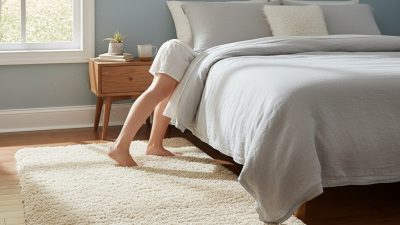
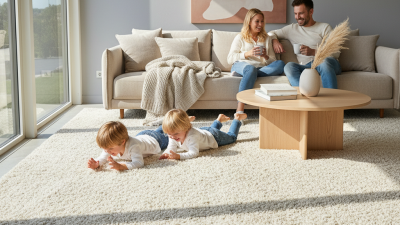
Texture changes how a room feels. Low-pile wool feels practical and neat in busy hallways. Looped wool adds a gentle, tactile surface without becoming overly plush. Cut-pile rugs provide more softness for bedrooms and quiet sitting areas. Shag textures feel warm under bare feet, yet they can trap crumbs and require more careful cleaning. That matters.

Room function should guide the final choice. In a family room, a medium-pile rug can balance comfort and maintenance. For a dining area, choose a flatter texture with a pattern that hides small marks. Bedrooms can accept thicker, softer designs because foot traffic is usually lower. Entryways need dense construction and stable edges, especially in wet or sandy climates.

Color deserves practical attention. Pale wool can brighten a dark room, but it may show stains quickly. Dark patterns conceal dust, though they can make small spaces feel heavier. Natural wool shades look dependable, yet dye variation may occur between production batches. No selection is perfect. Buyers should test samples under local lighting before placing a larger order.

2026 Top Wool Rug Types for Global Buyers

Popular wool rug types ranked by practical suitability for common room functions

The suitability index is based on the typical characteristics of each construction: durability, ease of maintenance, pile height, texture, and comfort. Flatweave and loop-pile wool rugs generally perform well in high-traffic areas, while shag and high-pile styles are better suited to bedrooms and low-traffic spaces.

Global Buying Guide: Quality Standards, Sourcing, and Care Requirements

2026 Top Wool Rug Types for Global Buyers

Global buyers should match rug construction with room use, climate, and expected traffic. Hand-knotted wool rugs offer strong durability and detailed patterns, but their prices and production times vary. Flatweave rugs are lighter, easier to ship, and practical for dining areas. Tufted rugs can provide softer surfaces, yet their backing may require closer inspection.

Quality begins with verified material details. Request the wool percentage, pile height, knot or stitch information, dye-fastness results, and backing composition. Check sample edges for loose fibers, uneven tension, and unpleasant chemical odors. Color should remain stable after gentle damp testing. Ask suppliers for production photos, inspection records, origin documents, and batch measurements. Small differences matter.

Sourcing needs patience.

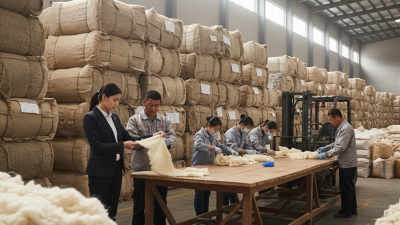
A reliable supplier should explain wool grading, washing methods, labor conditions, packaging, and moisture protection. Independent inspection can identify hidden shedding, poor finishing, or inaccurate dimensions. No inspection method is perfect; even experienced buyers can miss issues under warehouse lighting. Use clear tolerances in purchase documents, especially for size, color, and pile variation.

Tips: Vacuum with low suction and no rotating brush. Blot spills quickly with a clean, white cloth. Keep wool rugs away from prolonged sunlight and trapped moisture. Rotate them every few months to balance wear. Professional cleaning is safer than aggressive home washing, although cleaning frequency depends on traffic, pets, and local humidity. Test any treatment on a hidden area first.