
Leave Your Message

Why Choose Bedroom Runner Rugs for Your Home?

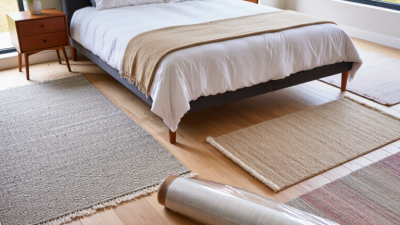
Bedroom Runner Rugs can add warmth, soften footsteps, and define the narrow space beside a bed. A runner also gives bare feet a softer landing on wood or tile. Picture a pair beside a low bed, with enough floor showing to keep the room feeling open. The right choice depends on room dimensions, door clearance, and how the rug will be cleaned.

The U.S. Environmental Protection Agency’s guide, The Inside Story: A Guide to Indoor Air Quality, estimates that people spend about 90 percent of their time indoors. That figure does not mean rugs improve indoor air quality. It does, however, underline why practical choices and regular cleaning matter in frequently used rooms. A low-pile runner may be easier to vacuum than a deep, shaggy one, especially where dust and pet hair collect.

Comfort matters. So does upkeep. Before buying, measure the bedside walking path and check that the runner will not obstruct doors or drawers. Look for a stable backing or use an appropriate rug pad, and follow the maker’s care instructions. Materials and construction vary, so no single runner suits every sleeper or floor. I would not overpromise: a runner cannot fix a cold room or poor layout. But a well-sized, well-maintained option can make getting out of bed feel gentler—and make the space look more considered.

Why Choose Bedroom Runner Rugs for Your Home?

What Bedroom Runner Rugs Are and Where They Fit

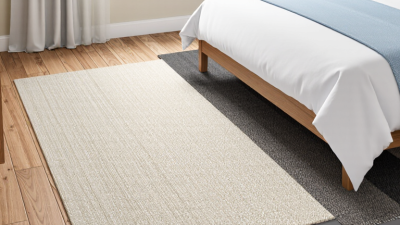
A bedroom runner is a long, narrow rug designed for a walking route rather than full floor coverage. It usually sits beside a bed, along a wardrobe, or between the bed and an ensuite door. Unlike a large area rug, it can define one strip of floor while leaving the rest visible. Think of stepping onto a soft surface beside the bed, not covering every board.

Measure the route before choosing a runner. A common placement is along one or both sides of the bed, with enough exposed floor to keep the room balanced. In a narrow bedroom, one runner may fit better than a pair. A closet entrance can also benefit, especially where bare flooring feels cold underfoot. Still, measurements are easy to misjudge; check door swings and drawer clearance, too.

Placement needs care. The U.S. Centers for Disease Control and Prevention reports that more than one in four adults aged 65 and older falls each year. That statistic does not mean runners cause falls, but curled edges and slipping rugs deserve attention.

Choose a rug that lies flat, use a compatible nonslip pad, and keep the walking path clear.

Not every bedroom needs one. A compact room may feel crowded, and a runner that stops awkwardly can look like an afterthought.
How Runner Rugs Improve Comfort and Safety

A bedroom runner adds a soft landing beside the bed, where bare feet often meet a cold floor. Its cushioning can make early mornings more comfortable and soften footsteps on hard flooring. The difference is small but noticeable. Choose a low-pile rug that feels pleasant underfoot without catching toes or slippers.

Safety depends on placement and grip, not softness alone. The U.S. National Floor Safety Institute reports that falls lead to more than one million emergency-room visits each year. The CDC also notes that more than one in four adults aged 65 and older falls annually. A runner cannot prevent every fall, but a non-slip pad and flat, secured edges can reduce trip hazards. Check that the rug does not slide when stepped on, especially beside the bed or near a doorway.

Measure the walking path before buying. Leave enough exposed floor for the rug’s edges to stay clear of doors and furniture. A runner that bunches under a dresser may create the very risk it was meant to reduce. Vacuum regularly, and inspect the backing when cleaning; dust and wear can weaken its grip. I would not assume a thicker rug is safer. Sometimes, a thinner, firmly anchored runner is the more practical choice.

Why Choose Bedroom Runner Rugs for Your Home? - How Runner Rugs Improve Comfort and Safety

Bedroom Area Common Runner Size Comfort Benefit Safety Consideration Practical Placement Tip
Along one side of a bed About 2–3 ft wide and 6–9 ft long Provides a soft landing area for the first step out of bed. A non-slip rug pad can help reduce shifting on smooth floors. Leave enough clearance for doors and drawers to open freely.
Along both sides of a bed Two runners, each about 2–3 ft wide Offers a comfortable landing spot on either side of the bed. Use pads sized to fit beneath each rug without extending beyond its edges. Measure the available floor space on both sides before choosing lengths.
At the foot of the bed About 2–3 ft wide; length suited to the bed and room Adds a cushioned surface where people often stand while dressing. Keep the rug flat and avoid placing its edge in a main walking path. Check that the rug does not obstruct a bedroom door or closet.
Narrow path to a closet or bathroom About 2–2.5 ft wide; length based on the walkway Creates a softer surface along a frequently used route. Choose a low-profile rug to reduce the chance of catching a toe. Keep the runner centered in the walkway and away from door swings.
Bedroom with hard flooring Choose a width that leaves a visible floor border Adds a warmer, softer surface underfoot than bare hard flooring. Use a floor-compatible non-slip pad and follow its care instructions. Confirm that the rug and pad are suitable for the specific floor finish.

Sizing is a general guide rather than a fixed rule. Measure the room, bed, walkways, and door clearances before purchasing; rug dimensions vary by manufacturer.

How They Protect Bedroom Floors

A bedroom runner creates a soft buffer between daily foot traffic and the floor. Place it beside the bed or along the route to the doorway, where bare feet and slippers repeatedly cross the same boards or carpet. Fine grit carried in on shoes can act like sandpaper underfoot. A washable runner catches some of it before it reaches the floor. Not armor, though. Dirt trapped underneath can still scratch, so lift and vacuum the rug and floor regularly.

Flooring is a significant home investment. Houzz’s 2024 U.S. Houzz & Home Study reported median renovation spending of $24,000 in 2023; that figure covers many project types, not flooring alone. It does show why routine protection matters. The National Wood Flooring Association recommends mats in traffic areas and protective pads beneath furniture. Choose a runner pad suited to your floor, since some backings may discolor certain finishes. Check the floor maker’s care instructions if unsure. That small detail is easy to miss. A runner can also soften the impact of a dropped book or bedside object, but it cannot prevent every dent or spill. After moving it, inspect the floor; protection works best when paired with basic cleaning.

How to Choose the Right Size, Material, and Style

Why Choose Bedroom Runner Rugs for Your Home?

A bedroom runner can soften the first step out of bed and protect a narrow path from daily wear. Choose a length that reaches near the bed’s foot without blocking doors or covering vents. Leave a visible strip of floor at the sides; it helps the room feel balanced. Measure the walking route, not just the bed. That small distinction matters.

Material should match the room’s real routine. Wool feels warm and resilient, but usually costs more and needs careful cleaning. Cotton is lighter and easier to wash, though it may shift without a stable backing. Synthetic fibers can handle frequent use, but texture and quality vary. For safety, use a fitted nonslip pad and keep edges flat. The National Floor Safety Institute reports that falls account for more than 8 million U.S. emergency-room visits annually. That figure covers many settings, not rugs alone, but it underlines why loose corners deserve attention.

Tips: Tape the planned dimensions on the floor before buying. Walk the route barefoot. Notice whether the runner catches a door or feels too narrow. For style, repeat one color from your bedding or curtains; a perfect match can look a little stiff. A subtle pattern often hides lint better than a plain dark surface.

How to Place and Care for a Bedroom Runner Rug

A bedroom runner works best where feet land: beside the bed, with its long edge parallel to the mattress. Let it extend beyond the bed’s foot, but check that drawers and doors still open freely. A rug pad helps limit slipping and protects the floor. Measure before buying; a runner that crowds the walkway can feel awkward, even when it looks right in a photo. Carpet and Rug Institute guidance recommends professional cleaning every 12–18 months, though the right schedule depends on foot traffic, pets, and the rug’s care label.

Tips: Vacuum slowly in the direction of the pile, using a suitable setting. Blot spills with a clean cloth; rubbing can push soil deeper. Rotate the runner every few months to even out wear. Dry it fully after spot cleaning. The U.S. Environmental Protection Agency recommends keeping indoor humidity between 30% and 50%, which can also help reduce dampness around textiles. Small detail, big difference.

Check the underside and pad now and then for grit or curled edges. One caveat: natural fibres may react poorly to water, so follow the maker’s instructions before cleaning. It is easy to over-clean a small rug. A little patience is usually safer.